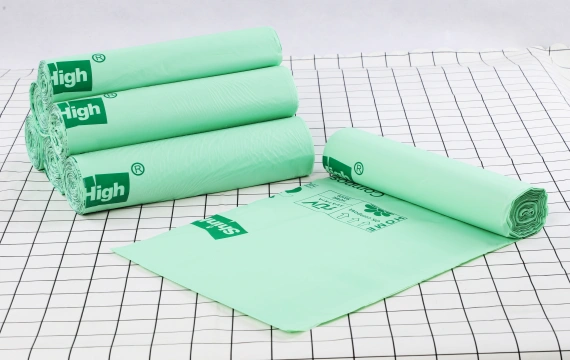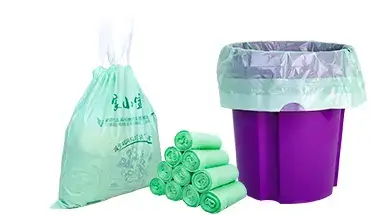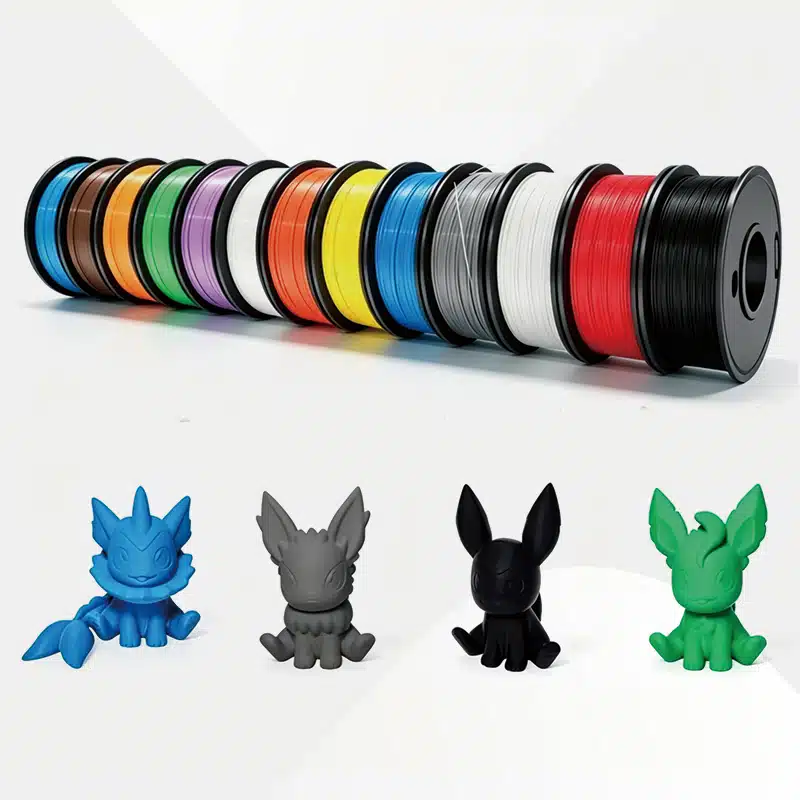




Quick Answer: What is masterbatch? Masterbatch is a highly concentrated mixture of pigments and additives dispersed in a carrier resin such as PE, PP, or PBAT. Manufacturers add it in small doses (1%–5%) during extrusion, blowing, or moulding to color plastic or add properties like UV resistance, flame retardancy, or compostability. It is the most efficient way to color and functionalize plastics — including today’s compostable and bio-based resins.
What Is Masterbatch? Definition, Types, Manufacturing Process & How to Use It (2026 Guide)
If you work in plastics, packaging, or sustainable materials, you have almost certainly asked: what is masterbatch, and how does it work? This guide gives you a clear, up-to-date answer. We cover the masterbatch definition, what it contains, how manufacturers make it, the main types (color, additive, white, black, and compostable), how to dose and use it, and how to choose the right supplier for your application — from blown film and injection moulding to food packaging.
We know masterbatch from the inside out. ShinHigh (ShinHigh Bio) has developed and used compostable masterbatches in its own bioplastics production since 2000, with more than 20 years of hands-on experience and an annual capacity of 30,000 tons of modified raw materials and finished bags. This article combines industry best practice with first-hand manufacturing data you will not find on generic supplier pages.
What Is Masterbatch? (Definition)
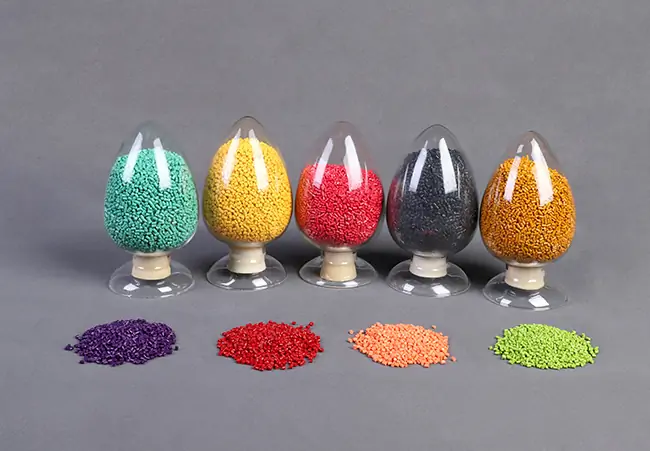
Masterbatch is a concentrated mixture of pigments or additives dispersed in a carrier polymer, then cooled and cut into granules or pellets. In everyday industry use, it works as a solid or liquid additive that colors plastic (color masterbatch) or adds specific properties like UV stability, flame retardancy, anti-static performance, or compostability.
During extrusion, blowing, or moulding, you blend masterbatch into natural (unpigmented) polymer. Because the additives are already pre-dispersed in the carrier, you get uniform color and consistent performance without handling powders or liquids at the processing machine.
Masterbatch Composition & Manufacturing Process
A conventional plastic masterbatch has three basic components. The table below summarizes them:
| Component | What it is | Role in the masterbatch |
|---|---|---|
| Carrier resin | A polymer compatible with the base resin (e.g., PE, PP, or PBAT for compostable systems) | Carries and disperses the active ingredients; must be compatible with the final product resin |
| Pigment/additive | Organic/inorganic pigments or functional additives | Provides color or the desired functional property |
| Dispersing agent | Compatible dispersant tailored to the system | Ensures even pigment dispersion and stable processing |
The masterbatch manufacturing process (also called the masterbatch preparation system) generally follows these steps:
- Weighing & premixing — Pigments/additives and carrier resin are accurately weighed and dry-blended.
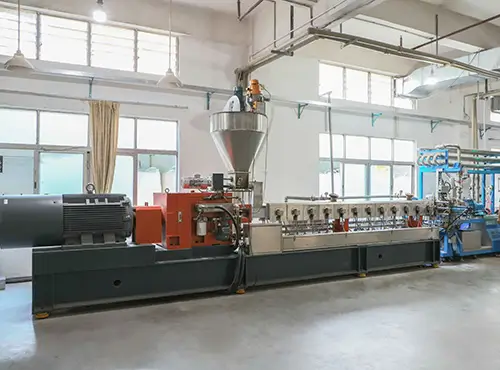
- Melting & dispersion — The premix is melted and intensely sheared in an extruder so the pigment is finely dispersed.
- Cooling & pelletizing — The melt is cooled and cut into uniform pellets or granules.
- Screening & packaging — Pellets are screened, tested, and packed for consistent dosing at the customer’s plant.
Masterbatch Compounding vs. Masterbatch Production
Masterbatch compounding refers to the extrusion and dispersion step where we incorporate active ingredients into the carrier — the technical core of production. Well-compounded masterbatch delivers excellent dispersion, requires less dispersant, keeps water content low, and flows smoothly. This translates into fewer defects and smoother film surfaces on your processing line.
Types of Masterbatch
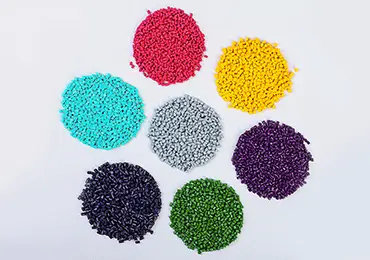
Masterbatches are grouped by what they add to the plastic. The four families below cover most commercial needs.
Color Masterbatch
Color masterbatch contains a high concentration of pigment dispersed in a compatible carrier. It colors plastic uniformly and works well for films, bottles, caps, pipes, and molded parts. For sustainable packaging, ShinHigh’s compostable color masterbatch uses PBAT as the carrier with the proper amount of pigment and compostable dispersants, delivering vivid color and outstanding tinting strength.
Additive Masterbatch
Additive masterbatch imparts properties other than color — UV stabilization, flame retardancy, anti-blocking, slip, anti-static, or processing aids. In PVC and cable sectors, for example, additive masterbatches play a crucial role in achieving the required performance profile.
White & Black Masterbatch
White masterbatch typically uses titanium dioxide (TiO₂) as the pigment and is essential for high-opacity white parts and as a base for pastel shades. Black masterbatch uses carbon black and is common in pipes, films, and technical parts requiring UV protection and deep black coloration.
Compostable & Biodegradable Masterbatch (PBAT / PLA Based)
Compostable masterbatch — sometimes called biodegradable masterbatch or PBAT masterbatch — formulates for compostable resin systems such as PBAT and PLA. This is where ShinHigh’s expertise runs deepest: our compostable color masterbatches combine PBAT resins, dispersants, and organic pigments. We design them specifically for blown film, and they achieve home compostability. They work with most compostable resins and additives and serve sustainable packaging markets in many countries. You can learn more in our guide on what compostable masterbatches are.
How to Use Masterbatch & Dosing Ratios
Using masterbatch is straightforward. You meter the pellets directly into the base (natural) polymer at the processing machine. The key is the dosing ratio — the percentage of masterbatch in the total mix.
- Typical dosing range: 1%–5% for many color applications, depending on the desired shade, pigment strength, and film/mould thickness.
- Light/pastel shades: often require higher let-down ratios; deep colors and black/white may run at the lower end.
- Additive masterbatches: follow the supplier’s recommended ratio, since active ingredient concentration varies by function.
- Compostable systems: use a carrier resin (e.g., PBAT) matched to your base compostable resin to preserve compatibility and compostability.
Always confirm the exact ratio with a lab trial on your specific resin, equipment, and target color. ShinHigh provides free samples so you can test properties and production feasibility before scaling up. For more help, see our 6 basic criteria for choosing the ideal masterbatch.
Applications: Blown Film, Injection Moulding & Food Packaging
Masterbatch is used across nearly every plastics process. Below are the applications most often searched by buyers.
Masterbatch for Blown Film
Blown film requires excellent dispersion and good melt flow to avoid defects and maintain film smoothness. ShinHigh compostable masterbatches were developed specifically with blown film in mind, offering vivid color, outstanding tinting strength, low water content, and excellent liquidity. For a deeper comparison, read our article on color vs additive vs white masterbatch.
Masterbatches for Injection Moulding
Masterbatches for injection moulding must withstand the higher shear and shorter cycle times of moulding while delivering consistent color and surface appearance in caps, containers, and technical parts.
Masterbatch for Food Packaging
Masterbatch for food packaging must meet applicable food-contact requirements for the target market. ShinHigh compostable masterbatches are safe for direct food contact (FDA) and are used in sustainable food-packaging films and bags.
Compostable & Biodegradable Masterbatch: Why It Matters in 2026
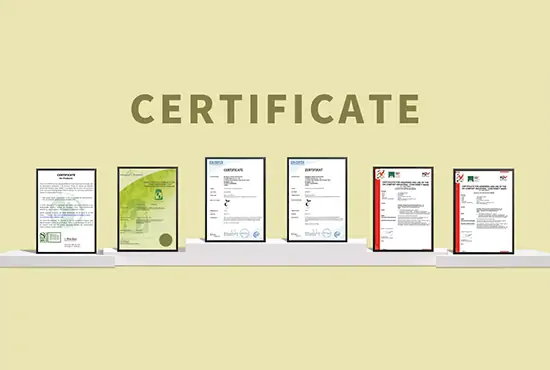
The masterbatch industry is shifting toward sustainability. Growing environmental awareness — and tightening regulations like the EU Packaging and Packaging Waste Regulation (PPWR) and California’s SB-54 — are driving demand for masterbatches based on recycled and biodegradable materials. For brands and converters, choosing a BPI-certified masterbatch or a TÜV OK Compost / Home OK Compost certified solution helps future-proof packaging against evolving compliance expectations.
How to Choose the Right Masterbatch Supplier
Selecting the right supplier is as important as selecting the right masterbatch. For a detailed technical checklist, see our guide on choosing the ideal masterbatch. In general, look for:
- Resin compatibility — Carrier matched to your base resin (PE/PP/PBAT/PLA).
- Proven certifications — Third-party verification for compostable claims (BPI ASTM D6400, TÜV OK Compost, DIN CERTCO EN13432, AS4736/AS5810, FDA food contact as applicable).
- First-hand manufacturing experience — A supplier that formulates and uses its own masterbatch can solve resin–masterbatch fit issues faster.
- Custom formulation capability — Support for custom masterbatch formulation and free samples for trial.
- Consistent quality & capacity — Documented production controls and reliable supply volume.
Frequently Asked Questions (FAQ)
A masterbatch is a concentrated pelletized additive designed to blend into a natural polymer at 1%–5% during processing. A compound is a fully formulated resin with additives already incorporated at the final use level, ready for moulding or extrusion. In short, masterbatch colors and functionalizes; compound is the finished material.
For conventional PE film, choose a color or additive masterbatch with a PE-compatible carrier and proven dispersion. For compostable film, a PBAT-based compostable color masterbatch (like ShinHigh’s, developed for blown film) offers vivid color, strong tinting, low water content, and compatibility with compostable resins.
Start from the supplier’s recommended let-down ratio (commonly 1%–5% for color), then adjust by lab trial against your target shade, resin, and film/mould thickness. Always verify on actual production equipment before full-scale runs.
Only when the carrier resin matches the base resin you are processing. Using a mismatched carrier causes dispersion or performance defects — which is exactly why ShinHigh developed its own compostable masterbatches after finding that purchased options did not fit well with our in-house produced resin. For more background, see our definition and applications of masterbatch.
Reputable compostable masterbatches are certified by third-party bodies. ShinHigh compostable masterbatches are certified by TÜV as OK Compost and Home OK Compost, by DIN CERTCO according to EN13432, by BPI according to ASTM D-6400, by Australian authorities according to AS4736 and AS5810, and are safe for direct food contact (FDA).
Conclusion
Masterbatch gives you the most efficient way to color and functionalize plastics — from conventional PE and PP to today’s compostable PBAT and PLA systems. Understanding the definition, composition, manufacturing process, types, and dosing helps you choose the right solution for blown film, injection moulding, and food packaging.
Need a reliable compostable-color solution? ShinHigh manufactures PBAT-based compostable color masterbatches backed by 20+ years of experience, 30,000 tons of annual capacity, patented raw materials (XH-918 and SH-133), and certifications including BPI, TÜV OK Compost, DIN CERTCO, FDA, AS4736, and AS5810. Explore our compostable masterbatch products or contact us for a quote and free samples to test in your own plant.