




Introduction
Your food is the hero of your business. But even the most delicious product can be undermined by the wrong packaging. Is it staying fresh? Does it represent your brand accurately? Are you confused by the choices between plastic, cardboard, compostable, and more?
Choosing the right packaging is a strategic decision that goes far beyond just containing your product. It is a critical factor in ensuring food safety, reinforcing brand identity, meeting sustainability goals, and optimizing your operational costs.
This ultimate guide will provide a clear, step-by-step framework to cut through the complexity. It begins with a crucial first step that is often overlooked: a deep dive into your own specific needs. Before you even look at packaging options, you must first understand what you, your product, and your customers truly need.
Let’s start there.
Part 1: Understanding Your Core Needs – The Foundation of an Informed Choice
Before diving into material types, successful packaging selection starts with an internal audit. A thorough understanding of your product, your business, and your customers will provide a clear filter through which to evaluate all options, saving you time, money, and frustration.
1.1. Know Your Product’s Profile
Your product’s physical and chemical properties are the primary drivers of packaging requirements. Ask these key questions:
-
Sensitivity: Is your product sensitive to oxygen, moisture, light, or temperature changes? (e.g., fresh salads need ventilation, while potato chips need a barrier to oxygen and light).
-
Durability: How fragile is it? Delicate baked goods or fresh fruit require protective, rigid packaging.
-
Temperature: Will it be frozen, reheated in a microwave or conventional oven, or stored at room temperature? This directly dictates material choice.
-
Oil & Moisture Content: Greasy or wet foods (like saucy dishes or cut fruits) demand materials that resist leaking and degradation, such as specific plastics or coated paperboard.
1.2. Define Your Business Model & Logistics
-
Primary Use Case:
-
Takeaway/Delivery: Prioritize leak-proof, secure closures (like clamshells or clasp containers) and excellent insulation.
-
E-commerce Shipping: Durability is paramount. Packaging must survive the rigors of transit, requiring sturdy materials like Double-walled corrugated boxes or sturdy mailers, which are often necessary to survive the postal system.
-
Retail Shelf Display: Focus on standout design, clear visibility of the product, and efficient use of shelf space (stackability).
-
-
Supply Chain Journey: The more handling points, the stronger your packaging needs to be. A product shipped directly to a consumer has a different journey than one going through a distributor to a supermarket.
1.3. Understand Your Target Customer
-
Values: Are your customers highly eco-conscious? They will appreciate and value compostable or easily recyclable materials. Are they seeking luxury? Opt for premium finishes and materials like glass or high-quality, rigid plastic.
-
Lifestyle: For on-the-go consumers, convenience features like easy-open, one-handed usability, and resealability are significant advantages.
- End-Use Convenience: How will the customer use it? Are handles needed for easy carrying? Is it easy to open and reseal? A positive user experience leads to repeat business.

Part 2: A Deep Dive into Food Packaging Materials & Types
With your needs clearly defined, you can now effectively navigate the different packaging types. Here’s a breakdown of the most common materials, their pros, cons, and ideal applications.
|
Material
|
Pros
|
Cons
|
Best For
|
|---|---|---|---|
|
Plastic (PP, PET)
|
Lightweight, durable, cost-effective, microwave-safe options
|
Environmental concerns; recycling confusion; can be perceived as “cheap.”
|
Sauces, drinks, takeaway meals, clamshells
|
|
Paper & Paperboard
|
Biodegradable, excellent for branding, and good rigidity
|
Poor barrier against moisture/grease without liners; less durable when wet.
|
Dry goods, bakery boxes, pizza boxes, paper bags
|
|
Aluminum
|
Superior barrier (light, oxygen, moisture); excellent heat conductor.
|
Easily punctured; recycling challenges if contaminated with food.
|
Sealing lids, disposable baking trays, and lining for paper packaging.
|
|
Glass
|
Premium feel, impermeable, reusable, recyclable
|
Heavy, fragile, high shipping cost
|
Jams, sauces, premium drinks, condiments
|
|
Bioplastics/Compostables (e.g., Bagasse, PLA)
|
Sustainable appeal, often sturdy, reduced carbon footprint
|
Higher cost, requires specific disposal conditions
|
Eco-conscious brands, compostable cutlery, and containers
|
2.1. Plastics: Versatile and Widely Used
-
Polypropylene (PP): The go-to for microwave-safe containers due to its high heat tolerance. Common in deli containers, yogurt tubs, and prescription bottles.
-
Terephthalate (PET): Offers brilliant clarity and is strong, making it ideal for beverage bottles and salad clamshells.
-
Key Consideration: Always specify “food-grade” and look for relevant safety certifications, especially if the packaging will be heated.
2.2. Paper & Paperboard: The Sustainable Workhorse
-
Kraft Paper: Known for its natural, rustic look, it’s strong and often used for bags and wraps. It’s biodegradable and recyclable.
-
Paperboard/Cardboard: Used for boxes, cartons, and takeout containers. It can be coated (e.g., with PLA, a bioplastic) to make it grease-resistant and suitable for wetter foods.
- Key Consideration: For greasy or moist foods, ensure the paper is coated or lined with a biodegradable material like PLA to maintain integrity.
2.3. Aluminum: The Superior Barrier
-
Aluminum foil containers are excellent for baking, roasting, and containing saucy foods because they create a complete barrier against light, oxygen, and moisture. They are also ideal for sealing and extending the shelf life of products.
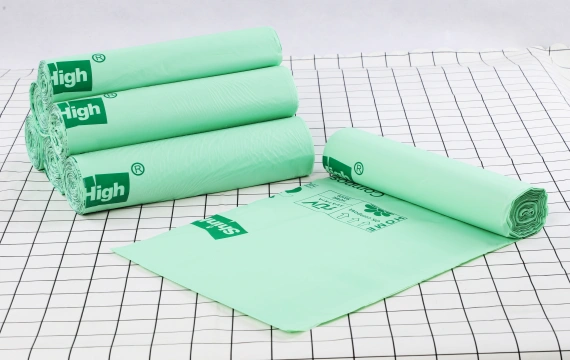
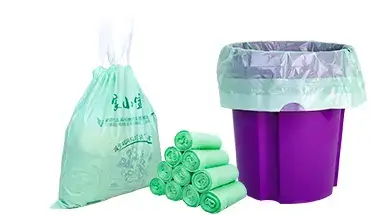
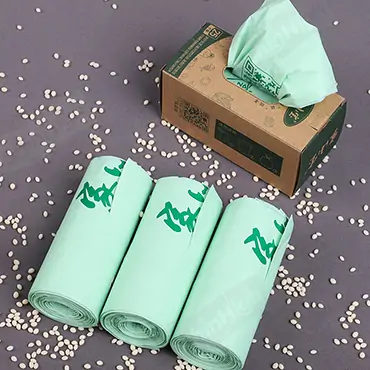
2.4. The Rise of Bio-Based & Compostable Materials
-
Materials: Includes sugarcane bagasse (a byproduct of sugar refining), molded fiber, and Polylactic Acid (PLA) made from corn starch.
-
Clarifying Terminology: It’s crucial to understand the difference:
-
Compostable: Breaks down into natural elements in a compost environment within a specific timeframe. Can be industrial(requires a facility) or home compostable.
-
Biodegradable: A broader term meaning it can be broken down by microbes. It does not specify a timeframe or conditions and can leave behind residues.
-
-
Best Practice: If using compostable packaging, clearly instruct customers on how to dispose of it correctly to avoid contaminating recycling streams.
Part 3: The Strategic Selection Criteria – Making the Final Choice
Now that you understand your needs and the material options, it’s time to evaluate your choices against four critical strategic pillars. This is where you move from theory to practice, balancing functionality, brand identity, and business objectives.
3.1. Functionality & Safety
A package that fails to protect its contents is a failure, regardless of how beautiful or eco-friendly it is. This is your first filter.
-
Protection & Integrity: Does it prevent leaks, crushing, and spoilage? Conduct simple tests: fill the container with liquid and shake it, or simulate a delivery ride in your car.
-
Food Safety Compliance: Ensure the material is certified food-grade and complies with regulations like FDA (USA) or EFSA (Europe) standards. This is especially crucial for hot, acidic, or fatty foods that might leach chemicals from non-compliant packaging.
- Usability: Test the user experience. Is it easy for customers to open, close, and handle? Is it microwave-safe, freezer-safe, or oven-safe as required? Complicated packaging can frustrate customers and damage their perception of your brand.
3.2. Sustainability & Environmental Impact
Sustainability is no longer a niche concern but a core business consideration.
-
Lifecycle Thinking: Evaluate the packaging’s journey from raw material sourcing (e.g., recycled content, renewable resources) to its end-of-life (recyclable, compostable, reusable).
-
Clear Communication: Avoid vague terms like “eco-friendly.” Use specific, actionable labels: “Made from recycled cardboard,” “Industrially Compostable,” or “Widely Recyclable.” Educate your customers on how to dispose of the packaging to avoid contaminating recycling streams properly.
-
The Business Case: Sustainable packaging is an investment. It can enhance brand reputation, attract a growing demographic of conscious consumers, and potentially lead to long-term cost savings through material reduction or efficiency.
3.3. Branding & Customer Experience
-
Unboxing Experience: The process of opening the package should be a positive part of the customer’s journey. Thoughtful design, easy opening, a friendly thank-you note, and clean presentation all contribute to a memorable experience.
-
Customization: Explore options for custom printing, embossing, or labeling to make your packaging uniquely yours. Consistent use of logos, colors, and fonts reinforces brand recognition.
-
Shelf Impact: If sold in retail, how does your package look alongside competitors? Does the shape, color, and design help it stand out?
3.4. Cost & Operational Efficiency
-
Total Cost of Ownership (TCO): Factor in:
-
Unit Price: The cost per box, sleeve, or container.
-
Shipping & Storage: Lightweight, stackable packaging reduces shipping costs and saves valuable warehouse space.
-
Assembly Time: How long does it take your team to assemble each package? Complex packaging can increase labor costs.
-
Minimum Order Quantities (MOQs): Can you afford the cash flow commitment of a high MOQ, or is a supplier with lower MOQs a better fit for a growing business?
-
-
Balancing Act: Weigh the costs against the benefits. A more expensive, sustainably branded package might directly lead to higher sales and customer loyalty, justifying the initial investment.
Conclusion: Your Action Plan for Packaging Success
Selecting the right food packaging is a multi-faceted process, but it doesn’t have to be overwhelming. By following the framework outlined in this guide—starting with a deep understanding of your own needs, exploring materials with a critical eye, and evaluating options against strategic criteria—you are equipped to make a confident, informed decision.
-
Look Inward: Start by thoroughly understanding your product, your logistics, and your customer.
-
Explore Materials: Use your needs as a checklist to evaluate the pros and cons of different packaging types.
-
Evaluate Strategically: Test your top choices against the four pillars of Functionality, Sustainability, Branding, and Cost.
The most successful food businesses view their packaging as an integral part of their product and brand. By investing the time to choose wisely, you invest in the safety of your food, the satisfaction of your customers, and the long-term success of your brand.
-
Download our free Packaging Selection Checklist to systematically compare your options.
-
Contact our packaging experts for a personalized consultation tailored to your unique product line.