




Composting and Compostable Bags
What is Composting?
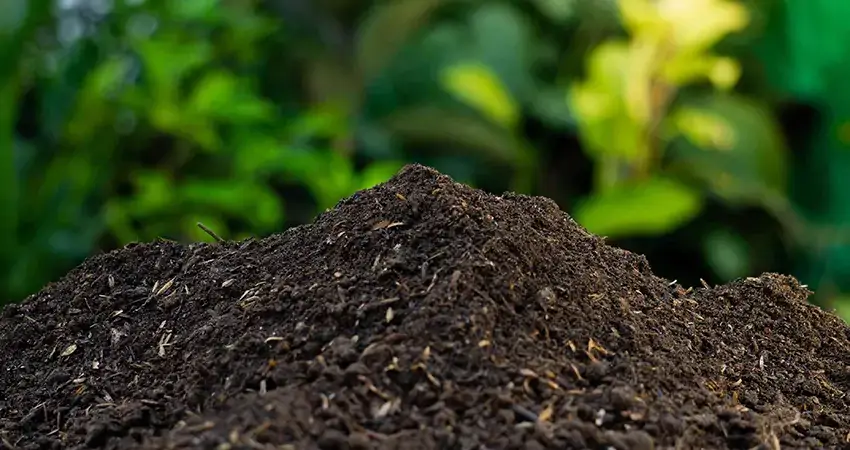
Composting is a biochemical process that decomposes organic matter into humus, a nutrient-rich material, using natural microorganisms such as bacteria and fungi. This process, which operates under specific environmental conditions, is similar to fermentation.
How to Compost?
The simplest compost needs to collect “greens” (green waste) and “browns” (brown waste). Green is nitrogen-rich material such as leaves, grass, and food scraps. Brown is carbon-rich woody material such as straw, paper, and wood chips. It takes months for these materials to break down into humus. Composting is a multi-step, closely monitored process that requires measuring inputs of water, air, and carbon- and nitrogen-rich materials.
Chopping up the plant matter and adding water can speed up the decomposition process, and we need to turn the mixture regularly to ensure proper aeration. Further decomposition of organic matter is carried out by fungi, earthworms, and other scavengers.
Definition of Compostable Bags
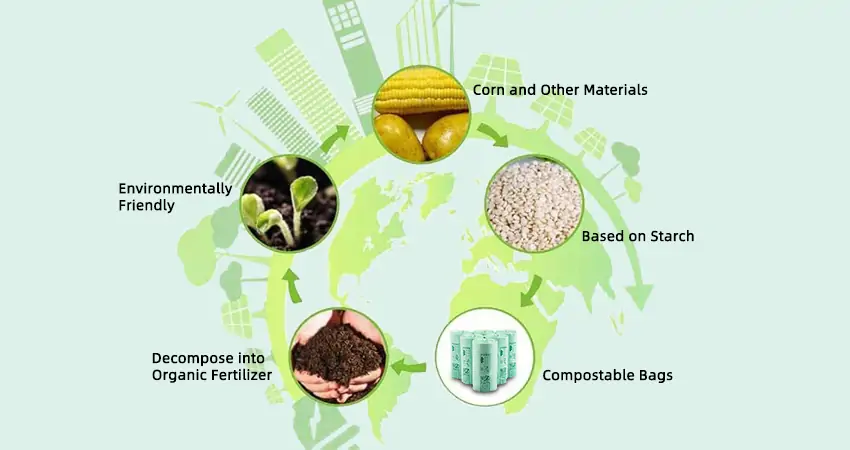
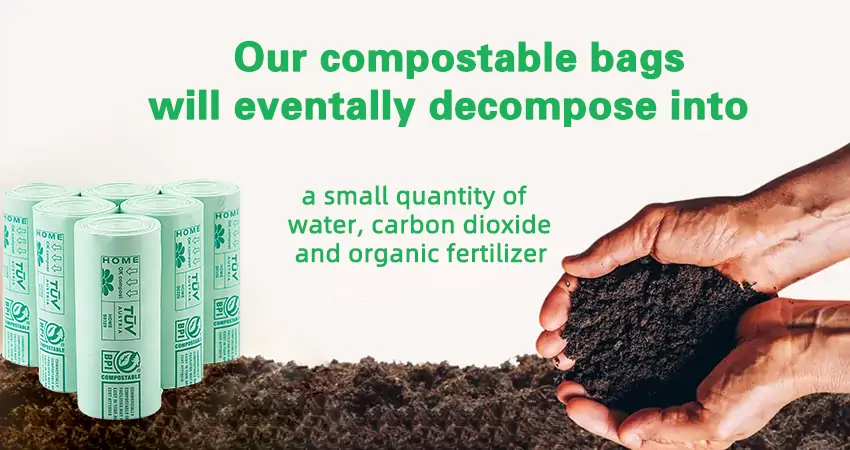
Compostable bags are environmentally friendly products that can be broken down into carbon dioxide, water, and organic fertilizer (compost) through microbial action. These bags are made from renewable, compostable materials like starch-based polymers.
- Degradation Comparison: Compostable vs. Traditional Plastic Bags
- How compostable bags degrade: Two-Stage Degradation Process
- Benefits of Using Compostable Bags
- Conditions Required for Compostable Bag Degradation
- Degradation Time: Traditional plastic bags can take hundreds to thousands of years to degrade, causing prolonged environmental harm. Compostable bags, however, break down into harmless components within months, offering a more sustainable solution.
- Environmental Impact: Traditional plastics contribute to ongoing soil and water pollution and may leach harmful chemicals as they degrade. Compostable bags decompose more quickly and are made from bio-based materials, reducing their environmental footprint.
In conclusion, compostable bags offer a viable and eco-friendly alternative to traditional plastic bags. Their ability to rapidly decompose under specific conditions into non-toxic products presents a significant advantage for reducing pollution and enhancing soil health. By switching to compostable bags, individuals and communities can contribute to a more sustainable future, promoting a green economy that aligns with environmental conservation goals. This shift not only mitigates the longstanding environmental impact of conventional plastics but also supports a more sustainable interaction with ecosystems.
The degradation process can be divided into two stages.
1. The polymer chain becomes small molecule fragments. Under the action of a variety of microorganisms in the natural environment, the physical form from a large piece of plastic film to small pieces of plastic fragments, is more conducive to microbial attachment, while the long-chain structure of degraded plastics into a short-chain, easier for microbial digestion, the physical form of the change can significantly accelerate the rate of degradation of degraded plastics.
2. Small plastic fragments are degraded. Microorganisms produce specific catabolic enzymes that further degrade plastics. Through this process, small molecules are broken down into carbon dioxide, water, and biomass, which are utilized by the microorganisms themselves. At this stage, the degraded plastics complete their natural cycle. Originating from nature and ultimately returning to nature, these materials achieve a sustainable cradle-to-cradle model of development.
- Environmental Benefits: Compostable bags decompose into CO2, water, and organic material quickly under microbial action, reducing pollution from conventional plastics and aiding environmental protection.
- Soil Health: The compost generated from these bags acts as a natural fertilizer, enhancing soil nutrition and moisture retention, supporting plant health, and reducing pollution and disease risks.
- Cost Effectiveness: Using compostable bags reduces the need for synthetic soil conditioners or mulches, resulting in cost savings.
- Temperature: The degradation process of compostable bags requires high temperatures (around 58°C or between 60-80°C), which foster microbial activity.
- Humidity: Proper moisture content is critical, with ideal conditions being around 90% in laboratory settings and between 60-80% generally.
- Microorganisms: Adequate microbial presence is necessary to break down the compostable bag into biomass, CO2, and water.
Additional Factors: Oxygen levels, pH balance, and degradation duration also influence the degradation process of compostable bags. In controlled environments, these factors are adjusted to simulate natural degradation.