




Introduction: The Ubiquitous Problem and Dangers of Flies
Few household nuisances are as persistent and unpleasant as flies swarming around your trash can. This common issue is more than just an annoyance; it poses real health risks. Flies are notorious carriers of bacteria and pathogens, potentially contaminating surfaces and food as they move from decaying garbage to your living spaces. The unpleasant odors emanating from a fly-infested bin are a clear sign of decomposition and bacterial activity.
Rather than dealing with the aftermath—an overwhelming fly population or, worse, a maggot infestation—the key lies in proactive fly control for outdoor garbage cans and indoor bins alike. Understanding and implementing preventive measures is the most effective way to keep flies away from your trash can for good.
1. Why Are Flies Attracted to Your Trash Can?
To effectively combat flies, you must first understand what draws them to your garbage in the first place. The attraction is a perfect storm of factors that make your trash can an ideal breeding and feeding ground.
-
Food Source: The primary magnet is the presence of decaying organic matter. Food scraps, peels, spoiled leftovers, and even residues on packaging provide a readily available feast. This is why proper disposal of food waste is crucial in preventing flies from breeding in trash.
-
Moisture & Breeding Ground: Liquids that pool at the bottom of the bin from food scraps, drinks, or condensation create a moist environment. This moisture is essential for female flies to lay their eggs and for the larvae (maggots) to develop. A damp trash can is essentially a nursery, which is why keeping your trash can dry is a fundamental step.
-
Powerful Odors: The process of decomposition releases volatile compounds and gases. A fly’s keen sense of smell can detect these odors from a significant distance, acting as a dinner bell. Managing these smells is a core part of making your bin less attractive.
-
Warmth: Especially during summer, the enclosed space of a trash can can trap heat, accelerating the decomposition process and, consequently, the fly life cycle. Warmth speeds up egg hatching and larval growth, turning a minor issue into a full-blown infestation rapidly.
By addressing these four key attractants—food, moisture, odor, and warmth—you directly target the reasons why flies are attracted to your trash can and lay the groundwork for all effective solutions.
2. Core Daily Prevention Strategies
Implementing consistent, simple habits is the most effective way to break the fly attraction cycle. Focus on these core practices to make your trash can a fortress against flies.
Use a Trash Can with a Tight-Fitting Lid
This is your first and most crucial line of defense. A secure lid physically blocks flies from accessing the garbage inside. When selecting a bin, prioritize the best trash can to prevent flies—look for models with sealing gaskets, sturdy hinges, or step-on lids that close firmly. Ensure the lid is always completely closed, even when the bin is indoors.
Bag and Seal All Waste Properly
Never toss loose food scraps directly into the bin. Always use a garbage bag, and ensure it’s securely tied at the top before disposal. For particularly pungent waste like fish scraps or diapers, consider double-bagging. This simple step contains odors and residue, directly addressing the question of why flies are attracted to my trash can—it removes the scent signal.
Take Out the Trash Regularly
Do not let garbage, especially food waste, sit for long periods. In warm weather, empty your kitchen bin daily, even if it’s not full. For outdoor bins, adhere strictly to collection schedules. This disrupts the fly breeding cycle before it can begin.
Keep Your Can Dry
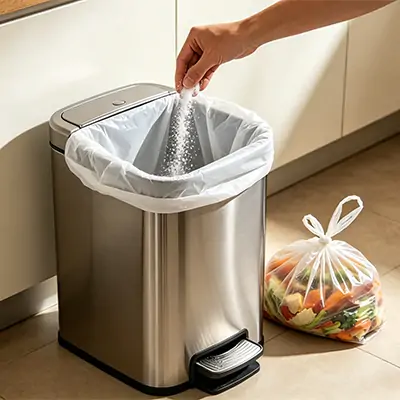
Moisture at the bottom of the bin is a magnet for flies seeking to lay eggs. A simple trick is to line the bottom with a layer of old newspapers or paper towels to absorb stray liquids. For a more powerful solution, sprinkle a cup of baking soda or salt at the bottom. This method, popular on forums, helps absorb moisture and neutralize odors, making the environment inhospitable. It’s a key part of keeping maggots out of your trash bin by drying out their breeding grounds.
Clean and Rinse Regularly
Residue and sticky films on the inner walls of your can continue to emit odors. How to clean a trash can to avoid flies is simple: routinely wash it with soapy water or a vinegar solution. A thorough rinse with a hose for outdoor cans, as mentioned in the Reddit wisdom, removes all traces that could draw flies back.
3. Natural Fly Repellents and Control Methods
When prevention needs a boost, or you’re dealing with an active problem, these natural solutions can effectively deter and control flies without harsh chemicals.
-
Essential Oil Sprays: Flies dislike the strong scents of many essential oils. Create a natural fly deterrent for garbage by mixing 10-15 drops of oils like peppermint, eucalyptus, lavender, or citronella with water in a spray bottle. Lightly mist the area around (not inside) your trash can. This is a safe and aromatic way to repel flies.
-
Vinegar Solution: White vinegar is a powerhouse for cleaning and deodorizing. A 1:1 mix of vinegar and water makes an excellent cleaner for your trash can, removing odors that attract flies. It can also be used as a surface spray.
-
Herbal Deterrents: Place small sachets of dried herbs like bay leaves, cloves, or sprigs of fresh rosemary or mint at the bottom of your bin (under the bag). You can also plant basil, mint, or lavender near your outdoor bin area. Their natural aromas act as a gentle repellent.
-
Apple Cider Vinegar Trap: For an existing fruit fly in the trash can problem, create a simple trap. Pour a small amount of apple cider vinegar into a cup, cover it with plastic wrap, and poke tiny holes in the top. The flies will be lured in, but cannot escape.
4. Reddit Wisdom: Proven Tips from the Community
Often, the best solutions come from collective experience. Here are three highly recommended methods from online communities:
-
Method A: Isolate Food Waste. The most decisive step is to completely separate food scraps. Use a small, dedicated container with a lid or biodegradable bags for all food waste. Empty this container daily, knot the bag securely, and place it in your main bin. This contains odors and removes the primary attractant.
-
Method B: Use Salt or Baking Soda. As shared by users, sprinkling about a cup of plain salt or baking soda at the bottom of your clean, dry trash can can work wonders. It absorbs pooling liquids, creating a dry, salty, or alkaline environment that is hostile to fly eggs and maggots, effectively stopping flies from breeding in trash.
-
Method C: Pre-Rinse and Pre-Clean. A key to long-term control is reducing attractants before the trash even goes in. Briefly rinse all food packaging—cans, jars, plastic wrap—to remove residues. Use a lidded scrap bowl for kitchen waste and empty it daily into an outdoor compost pile far from the house. Finally, establish a routine to clean your trash cans with a little dish soap and water, swishing it around and rinsing thoroughly. This removes the invisible film that attracts flies.
5. Advanced Tips and Product Choices
For those looking to go beyond basic habits, these advanced strategies and informed product selections can elevate your fly-prevention game and provide a more robust, long-term solution.
Choosing the Right Trash Can
Your bin itself is a key piece of equipment. For optimal fly control for outdoor garbage cans, consider upgrading to a metal or heavy-duty polymer bin with a sealing, clamp-down, or locking lid. Metal bins are less likely to absorb odors compared to plastic. Some specialized models are marketed as “animal-proof” or “insect-resistant” and often feature superior sealing mechanisms. For indoors, the best trash can to prevent flies is one with a well-fitting, hands-free lid (like a step pedal) that closes firmly and completely after each use.
Opt for Biodegradable Bags
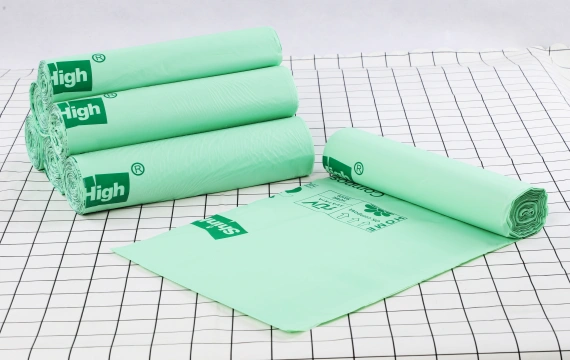
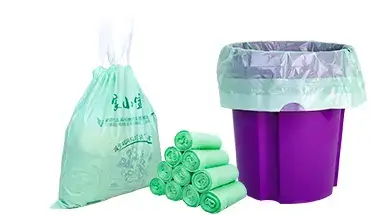
While not a direct repellent, using certified compostable or biodegradable bags for food waste can be a strategic move. These bags are designed to break down more readily, which can help organic waste dry out faster inside your bin, thereby reducing the moist environment that flies and maggots seek. Remember, the primary goal is to keep your trash can dry, and these bags can help manage moisture.
Optimize Bin Placement
Location matters immensely, especially for outdoor bins. Never place garbage containers right next to doors, windows, or patio seating areas. Store them in a shaded, cool spot if possible, as heat accelerates decay and odor. A good rule is to keep them at least 20 feet away from your home’s main living entrances. This creates a significant buffer zone, preventing flies that are attracted to the bin from easily entering the indoors. Finding the best location for your outdoor trash can is a simple yet highly effective strategic move.
Consider Composting
This is the most impactful way to reduce the primary attractant in your main trash. By setting up a proper compost bin or pile for fruit and vegetable scraps, coffee grounds, and eggshells, you remove the most desirable, moist, and odorous materials from your household garbage. A sealed countertop compost caddy makes daily transfer easy. This not only drastically reduces flies but also creates nutrient-rich soil for your garden.
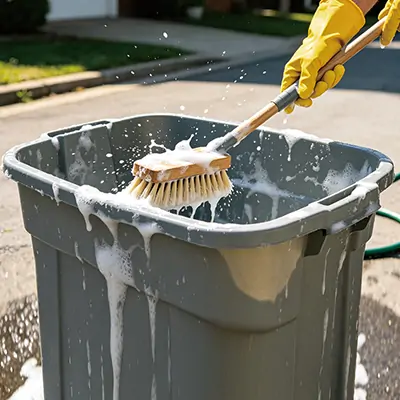
6. Deep Cleaning Your Trash Can
Regular rinsing is good, but a monthly deep clean is essential to remove invisible residues and smells that attract flies. Here is a detailed guide on how to deep clean a trash can to avoid flies and eliminate odors at their source.
Empty and Pre-Rinse
Take the bin outside. Remove all bags and debris. Use a garden hose or shower head to give the interior a strong preliminary rinse, washing away loose particles.
Prepare a Cleaning Solution
Fill the bottom with hot water. Add a powerful cleaning agent: a generous squirt of dish soap for degreasing, or one to two cups of white vinegar for deodorizing and cutting grime. For a heavily soiled can, you can use a diluted bleach solution (1 part bleach to 10 parts water) – always wear gloves and ensure good ventilation.
Scrub Thoroughly
Use a long-handled brush with stiff bristles or a dedicated “trash can brush” to scrub every surface—the bottom, sides, and especially the underside of the lid and the rim, where grime builds up. Pay close attention to crevices.
Tackle Stains and Odors
For stubborn stains or persistent smells, apply a disinfectant. You can use a dedicated bathroom cleaner, or safely use a diluted bleach solution (follow product instructions, ensure good ventilation, and wear gloves). Spray or wipe it on, then let it sit for 5-10 minutes to sanitize and break down odors. However, do not mix cleaning products.
Rinse Completely
This step is critical. Empty the dirty water and thoroughly rinse the can with clean water until all soap, vinegar, or bleach residue is gone. Any leftover cleaner can itself become an attractant or create fumes.
Dry Thoroughly Before Relining
This is the most important step to prevent mildew and new odors. Turn the can upside down on a rack or against a wall in a sunny, breezy spot. Sunlight is a fantastic natural disinfectant and deodorizer. Allow it to air dry completely. Never put a new garbage bag into a damp can, as moisture is the enemy.
Reassemble
Once 100% dry, return the clean can to its spot and line it with a fresh bag. For added protection, you can now apply your preventative base layer (e.g., a sprinkle of baking soda or salt) before inserting the bag.
A monthly deep clean, combined with your daily preventative habits, will ensure your trash can is no longer a welcome mat for flies.
7. When to Seek Professional Help
While the methods outlined in this guide are highly effective for most common household fly problems, there are situations where a professional pest control service is the wisest and safest course of action.
-
When Home Methods Consistently Fail: If you have diligently implemented multiple strategies—sealing, cleaning, using deterrents, and maintaining perfect hygiene—yet still face a severe fly infestation, the source may be beyond your trash can. A professional can identify and eliminate a hidden breeding site, such as within walls, under decks, or in a neighboring property.
- Presence of a Severe Infestation or Major Contaminant: Discovering a large-scale maggot infestation in your trash bin that quickly returns after cleaning is a red flag. More seriously, if you suspect the source is a dead animal (like a rodent in the wall or attic) or a major sewage issue, the contamination and health risks are significant. In these cases, professional pest control services have the expertise, tools, and approved chemicals to locate the primary breeding ground, eliminate the current population, and advise on exclusion techniques to prevent recurrence. Don’t hesitate to seek help for a persistent fly infestation that home methods can’t solve.
Calling in a professional exterminator is not an admission of defeat; it’s a responsible step to protect your family’s health when a problem escalates beyond DIY solutions.
8. FAQs
Q: Does salt really kill flies or keep them away?
A: Salt itself doesn’t typically kill adult flies. Its primary role in keeping flies away from your trash can is as a desiccant (drying agent). Sprinkling salt (or baking soda) at the bottom absorbs excess moisture, creating a dry environment that is inhospitable for flies to lay eggs and for maggots to survive. It’s a preventative measure, not an instant kill solution.
Q: How fast can flies reproduce?
A: Alarmingly fast. Under ideal warm, moist conditions—like those in a neglected summer trash can—a house fly can go from egg to adult in as little as 7 to 10 days. This rapid lifecycle is why consistent, preventative measures like regularly taking out the trash are so crucial to prevent a small problem from becoming an infestation.
Q: How can I keep my trash can from smelling?
A: Odor control is fly prevention. The key is a multi-pronged approach:
1) Seal waste in bags and tie them securely.
2) Use odor absorbers like an open box of baking soda in the bottom of the can (under the bag) or sprinkle it over the trash.
3) Clean the bin regularly with vinegar or soapy water to eliminate residue.
4) Remove trash frequently, especially food waste.
Q: Are the methods for fruit flies and house flies the same?
A: The core principle of eliminating the attractant is the same: remove their food source. However, their preferences differ. House flies are attracted to a wider range of decaying organic matter. Fruit flies are specifically drawn to fermented sugars from ripe/rotting fruits and vegetables. While good sanitation works for both, an apple cider vinegar trap is uniquely effective for getting rid of fruit flies, as it perfectly mimics their preferred food source.
9. Conclusion: A Fly-Free Home is a Habit
Winning the battle against flies at your trash can doesn’t require complex chemicals or expensive gadgets. It hinges on understanding what attracts them and consistently disrupting that environment. The most powerful weapons in your arsenal are remarkably simple: a tight seal to block access, regular cleaning to eliminate residue and scent trails, and keeping things dry to destroy breeding grounds.
Long-term success comes from making these practices part of your routine. Start by assessing your biggest vulnerability—is it a loose lid, infrequent emptying, or a perpetually damp bin?—and tackle that first. Then, layer in the methods that work best for you, whether it’s the strategic use of baking soda, a potent essential oil spray, or the community-tested wisdom of isolating food waste.
By combining proactive prevention with targeted natural remedies, you can reclaim your space from these pesky invaders. A clean, odor-free, and fly-free trash area is not only more pleasant but also contributes to a healthier home for you and your family. Start implementing these strategies today, and enjoy the peace that comes with a truly protected bin.
Did You Find This Helpful? Here’s More
What Size Trash Bag Do I Need? Quick Answer + Size Chart (2026 Guide)
How Long Can Bedbugs Live in a Trash Bag?
13 Gallon Trash Bag Dimensions: The Definitive Size & Fit Guide (2026)
Leak-Proof Kitchen Trash Bags: A 3-Step Guide to No More Mess
The Trash Bag Method: A Simple Guide to Composting Horse Manure on Your Farm