



If you’re reading this, you’re likely in the midst of a stressful battle against bed bugs. Your first instinct might be to bag up the infested items and seal them away. It’s a logical step. But the critical question that determines your success or failure is: How long can bedbugs actually survive trapped inside that bag?
The short answer is both simple and alarming: Anywhere from a few hours to over 400 days.
The key to success lies in combining a truly airtight seal with extreme temperature (heat or cold) or extremely long-term storage.
-
Key Factors: Temperature, Bag Quality, Life Stage. -
Most Effective Method: Solar Oven Method (Heat). -
Minimum Time for Storage-Only: At least 18 months.
This guide will move beyond the simplistic timetables found on forums. We will dissect the science, provide a professional exterminator’s playbook for using bags effectively, and give you the criteria to choose the right tool for the job. Your goal isn’t just to store the problem—it’s to solve it.
The Uncomfortable Reality: Why the “Trash Bag Method” Often Fails
Search forums like Reddit’s r/Bedbugs, and you’ll find heartbreaking stories: “I bagged everything for months, but they were still alive when I opened it.” This highlights a dangerous misconception. A flimsy, improperly sealed bag isn’t a solution; it’s a mobile infestation unit, risking spread during transport or storage.
Understanding why common methods fail is the first step to defeating them. Bed bugs (Cimex lectularius) are survivors. Their longevity in a sealed environment depends on a precise equation of variables.
5 Factors That Determine Bed Bug Survival in a Bag
Understanding what keeps a bed bug alive in confinement is the key to killing it. Think of it as an equation where you control the variables.
1. Temperature: The Ultimate Decider
-
The Sweet Spot (70-80°F / 21-27°C): At comfortable room temperature, an adult bed bug that has recently fed can enter a dormant state and survive for 200 to 400 days without a meal. Nymphs (juveniles) die sooner, but eggs hatch in 6-10 days, restarting the clock. -
The Kill Zone (High Heat > 120°F / 49°C): Sustained high heat is fatal. This is the principle behind professional heat treatments. A black, heavy-duty trash bag placed in direct, hot sunlight can become an oven, killing all life stages within hours if internal temperatures are maintained high enough. -
The Cold Zone (Sub-zero < 0°F / -18°C): Cold is effective but must be sustained. Placing a securely bagged item in a deep freezer for at least 4 days is a reliable killing method. Simply leaving a bag in a cold garage over winter is unreliable due to temperature fluctuations.
2. The Bag Itself: Your Most Critical Choice
-
The Standard Flimsy Bag: A typical, thin kitchen bag is a liability. It can be easily punctured by a bed bug’s proboscis, torn by a mattress staple, or degraded over time. Its weak seal allows for air exchange, sustaining the insects inside. In essence, it’s a dangerous illusion of safety. -
The Professional-Grade Barrier: An effective isolation bag must have: -
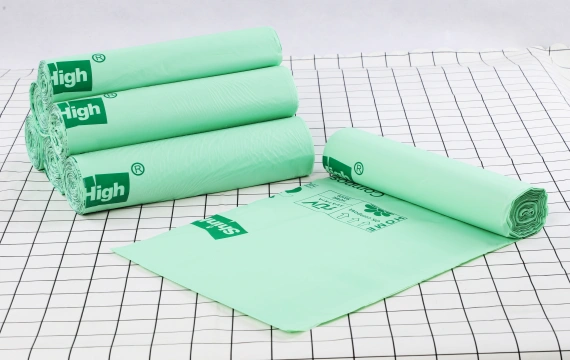
High Mil Thickness (3 mil+): “Mil” is a unit of thickness. Higher mils resist tears and punctures. -
Tear-Resistant Material: Multi-layer or fortified construction prevents rips during handling. -
A True, Airtight Seal: A simple knot or twist-tie is insufficient. An airtight closure—achieved with a combination of a built-in seal, heavy-duty tape, or a double-bagging technique—is non-negotiable for creating a true suffocation environment over time.
-
3. Air (Oxygen) and Humidity
-
Oxygen: Bed bugs are resilient to low-oxygen environments. While complete suffocation is difficult, a truly airtight seal significantly stresses their systems and accelerates dehydration. -
Humidity: Bed bugs absorb moisture from the air. A sealed bag containing dry items will eventually see humidity drop, aiding in their demise. A bag containing damp clothing or bedding, however, can prolong their life. Always ensure items are bone-dry before sealing.
4. Life Stage: Eggs Are the Hardest Foe
-
Eggs: The tiny, pearl-white eggs are coated in a glue-like substance and are highly resistant to many environmental stresses. Their 6-10 day incubation period is a fixed timer. Any isolation strategy must last longer than this to be effective. -
Nymphs & Adults: Nymphs: Require a blood meal to molt. They succumb to starvation faster than adults. Adults: The ultimate survivors, capable of extreme dormancy. These stages are vulnerable to the conditions you create—primarily heat, cold, and desiccation.
5. So, Can You Suffocate Bed Bugs?
This is the core question behind the “trash bag method.” While a tightly sealed bag does not cause immediate suffocation in the way we might think, it creates a lethal environment over time by drastically reducing oxygen and, more importantly, causing severe dehydration (desiccation).
The bed bugs’ ability to slow their metabolism means this process is slow at room temperature, but when combined with the factors above—especially extreme heat—it becomes a highly effective killing tool.
Beyond the Bag: The 2026 Integrated Pest Management (IPM) Strategy
A trash bag is a powerful tool, but it is not a silver bullet. It must be part of a comprehensive, multi-faceted approach known as Integrated Pest Management (IPM). Here’s how bags fit into the modern IPM battle plan:
-
Inspection & Identification: Confirm the infestation. Use flashlights, magnifying glasses, and consider modern tools like pheromone lures or rapid detection kits for early intervention.
-
Containment (The Role of Your Bags): Isolate all non-essential, movable items using the protocol below. This reduces clutter and limits the bugs’ harborage areas.
-
Treatment – The 2026 Arsenal: Relying solely on bags for “storage until they die” is a months-long gamble. Instead, use bags to enable these proven, faster treatments:
-
Professional Heat Treatment (The Gold Standard): Raising room temperatures to 120°F – 135°F (49°C – 57°C) for 90 minutes kills all life stages, including eggs, with a success rate up to 95%. It’s chemical-free and penetrates deep into furniture and walls. This is the most effective method to use with your sealed bags.
-
Next-Generation Chemicals & Biopesticides: Due to widespread pesticide resistance, professionals now use novel agents like Aprehend® (a fungal biopesticide with a 93-100% kill rate) or Chlorfenapyr, which have unique modes of action to combat resistant strains.
-
Cryonite (Freeze) Treatment: Uses CO₂ snow to instantly freeze bugs on contact, ideal for electronics and delicate items.
-
Diatomaceous Earth / Silica Gel: These desiccant dusts remain effective as a physical barrier, destroying the bug’s waxy outer layer.
-
-
Monitoring: After treatment, use interceptors under bed legs and continue vigilant inspections for several months.
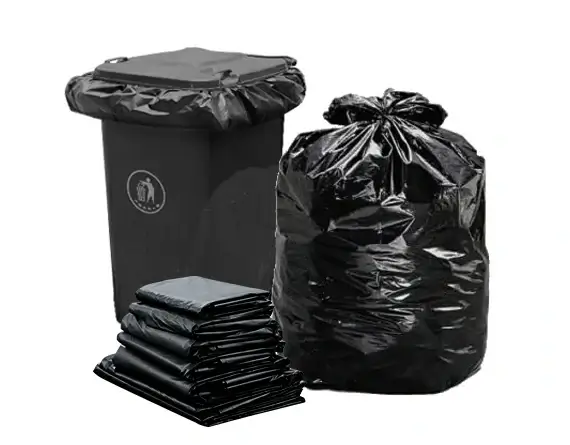
The Professional’s Checklist: Selecting a Bag for Eradication, Not Just Storage
When selecting a bag for bed bug control, you’re not buying a disposable liner; you’re investing in a containment system. Ordinary trash bags fail miserably. Here is the updated specification checklist used by professionals for “isolation bags” in 2025 :
|
Feature
|
Minimum Professional Standard
|
Why It Matters
|
|---|---|---|
|
Thickness
|
3+ Mil (0.003 inches) minimum; 6+ Mil for heavy items.
|
Standard kitchen bags (0.5-1 Mil) are easily punctured. Thicker plastic significantly resists penetration.
|
|
Seal Type
|
Wide-profile, heavy-duty zipper or heat seal.
|
Twist ties and rubber bands are inadequate. Zippers should have a fabric flap to cover the track, preventing gaps.
|
|
Material
|
Durable, puncture-resistant plastic (e.g., high-density polyethylene).
|
Avoid thin, flimsy materials. Reinforced seams and stress points are crucial.
|
|
Size
|
Appropriate for the item without overfilling.
|
Overfilled bags are prone to splitting. Leave room for air removal (for heat methods) or use multiple smaller bags.
|
|
Color
|
Black for solar heat treatment, Clear for monitoring contents.
|
Black bags absorb heat more effectively. Clear bags allow you to see inside without opening.
|
|
Additional Tools
|
Duct tape for extra sealing, permanent marker for labeling, and gloves.
|
Tape reinforces seals. Labeling with dates and contents is critical for management.
|
Using Bags to Eliminate, Not Just Store
Based on these factors, here is a systematic and professional approach to using trash bags as a tool for waste elimination.
Scenario 1: The “Solar Oven” Method (Most Effective for Salvageable Items)
This method actively kills bed bugs using heat and is ideal for items like stuffed toys, pillows, shoes, and books that can’t be washed.
-
Select Your Items: Choose non-flammable, heat-tolerant items. -
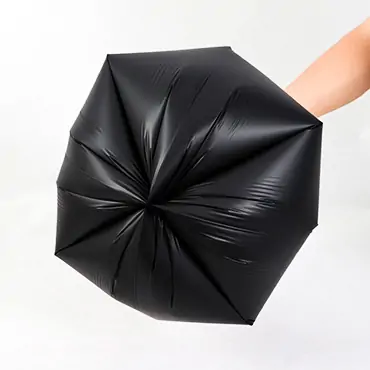
Securely bag items: Place them loosely in a heavy-duty black trash bag. Do not overfill. -
Double-Seal: Squeeze out excess air. Seal the bag with its built-in strip, then fold the seal over and secure it with strong tape or a zip tie. For critical items, use the “bag-within-a-bag” method for redundancy. -
Create the Oven: Place the sealed bag on a hot, sunny surface like asphalt or concrete (not grass). Ensure it’s in direct sunlight all day. -
Monitor and Rotate: Leave it for 3-5 full, sunny days. Rotate the bag periodically to ensure even heating. The goal is to maintain an internal temperature above 120°F (49°C) for several hours. -
Unpack with Care: Open the bag outdoors and inspect items before bringing them back inside.
Scenario 2: The Secure Discard Method (For Unsafe or Worthless Items)
For heavily infested mattresses or furniture you plan to discard, the goal is to prevent spreading bugs during transport.
-
Prep the Bag: Use an extra-large, heavy-duty bag designed for mattresses. Have strong packing tape ready. -
Enclose Completely: Carefully slide the item into the bag without agitating it. -
Create an Airtight Cocoon: Tightly seal the bag opening. Then, wrap the seal multiple times with wide packing tape, creating a gasket-like closure. This is non-negotiable. -
Label Clearly: Write “BED BUGS” in large, clear letters on the bag. This is a critical safety and ethical step to protect waste handlers and neighbors. -
Dispose Immediately: Arrange for immediate pickup. Do not leave the bag in hallways or common areas.
Scenario 3: The Long-Term Isolation Method (Last Resort)
If you cannot use heat or cold, you can use bags for storage, but you must be patient and perfect.
-
Bag and Double-Bag: Follow the secure sealing steps above, using two high-quality bags. -
Store Strategically: Place the sealed bags in an isolated area like a garage, shed, or sealed plastic storage tote. Do not store in living areas. -
Set a Calendar Reminder: The absolute minimum isolation time must account for the longest possible lifecycle. You must store the items for at least 12-18 months to ensure all adults have died and any newly hatched nymphs have perished. Any breach or tear resets the clock.
Choosing Your Weapon: What Makes a Bag “Bed Bug Proof”?
When selecting a bag for bed bug control, you’re not buying a disposable liner; you’re investing in a security system. Here is the exact specification checklist used by professional pest control companies for “isolation bags”:
-
Standard kitchen bags (0.5-1 Mil) are easily punctured
-
Professional-grade bags (3-4 Mil) provide reliable protection
-
Heavy-duty options (6+ Mil) for high-risk items
-
Twist ties and rubber bands are inadequate
-
Look for bags with built-in zipper closures
-
For long-term storage, use tape reinforcement
-
Bags should be large enough to allow for proper sealing
-
Avoid overfilling—leave room for air removal
-
Consider using multiple smaller bags rather than one large one
-
Avoid thin, flimsy materials
-
Look for reinforced seams and stress points
-
Clear bags allow for visual inspection
-
Black bags absorb heat for the solar oven method
-
Clear bags help you monitor contents during isolation
-
Opaque bags prevent light exposure that might affect treatment
-
Duct tape or packing tape for extra sealing
-
Permanent marker for labeling
-
Gloves to prevent contamination
-
Scissors for cutting bags to size

Integrating Bags into Your Overall Battle Plan
A trash bag is a powerful tool, but it is not a silver bullet. It must be part of a comprehensive, integrated pest management (IPM) strategy:
-
Inspection & Identification: Confirm the pest and locate harborages. -
Containment (This is where your bags come in):Isolate all non-essential, movable items using the protocol above. This reduces clutter and hiding spots. -
Treatment:Employ a professional method—likely a combination of residual insecticides applied by a licensed professional, targeted heat, or diatomaceous earth in void spaces. The cleaned, bagged items are your “clean cache” to reintroduce after treatment. -
Monitoring: Use interceptors under bed legs and continue vigilant inspections for several months after treatment.
FAQs
Q: Can I just leave my house empty for a few months to starve them?
A: No. This is a common and costly misconception. Bed bugs can survive 6+ months in vacant properties and will reactivate once a host returns. This delay often allows the infestation to worsen or spread.
Q: Are DIY sprays from the store effective?
A: Largely ineffective and often counterproductive. Widespread resistance to common pyrethroid insecticides is a major issue. DIY sprays often scatter bugs, spreading the infestation. Professional-grade products with novel modes of action are required.
Q: What’s the single most effective treatment?
A: Whole-room professional heat treatment. It is the fastest, most complete method, killing all life stages in a single day without chemicals and overcoming all known resistance.
Q: How do I know if they’re really gone?
A: Post-treatment monitoring is essential. Use bed leg interceptors and conduct regular inspections for 2-3 months after the last treatment. Consider follow-up visits from your pest control professional.
Conclusion: Knowledge is Your Greatest Weapon
The question “how long can bedbugs live in a trash bag?” is ultimately about control. You are in control of the temperature, the seal, the duration, and most importantly, the quality of the barrier you place between the pest and your home.
By choosing a bag built to the specifications of the task—one that is thick, airtight, and durable—you transform a simple item into a decisive tool for elimination. You move from hoping the problem will go away to actively, systematically engineering its end.
-
Temperature is critical: 120°F+ for 90 minutes kills all life stages
-
Bag quality matters: Use 3+ Mil professional-grade bags with secure seals
-
Time is your ally: Long-term isolation requires 12-18 months for complete elimination
-
Bags are tools, not solutions: Integrate them into a comprehensive treatment plan
The most important factor in bed bug elimination is consistency and thoroughness. Whether you choose heat treatment, secure disposal, or long-term isolation, the method only works if executed perfectly. When in doubt, consult a professional exterminator to ensure your home becomes bed bug-free for good.
Remember: Every infestation is different, and what works for one situation may not work for another. Use this guide as a starting point, but always prioritize safety and effectiveness in your approach.
Further Reading
What Size Trash Bag Do I Need? Quick Answer + Size Chart (2026 Guide)
13 Gallon Trash Bag Dimensions: The Definitive Size & Fit Guide (2026)
What Are the Best Garbage Bags for Food Waste? A 2026 Guide
Master the Garbage Bag Tie: No More Leaks or Smells
How to Keep Flies Away From Your Trash Can: 10 Proven Methods