



Let’s set the scene: It’s a hot summer morning, you’re still in your pajamas, and you step outside to toss yesterday’s leftovers into the garbage can. As you lift the lid, a sickening sight greets you—hundreds of tiny, writhing white worms crawling over the rim and down the sides of your bin. For many homeowners, discovering maggots in a trash can is a visceral nightmare that triggers instant panic. Your mind races: “Is my house dirty? Are these things dangerous? And how on earth do I make them go away?”
If this sounds familiar, take a deep breath. Finding maggots doesn’t mean you’ve failed at housekeeping. In fact, it simply means that a female fly found your organic waste to be the perfect nursery. While they are undeniably gross, getting rid of them is straightforward once you understand the science. This comprehensive 2026 guide will walk you through exactly how to get rid of maggots in your garbage can, provide step-by-step emergency cleanup instructions, and reveal the #1 secret to preventing them for good: choosing the right trash bag.

Understanding the Enemy – The Maggot Lifecycle
Before you can win the war against these pests, you need to know your enemy. Those white worms you see are not worms at all—they are the larval stage of common house flies or blowflies.
The 48-Hour Transformation
Flies are attracted to the smell of rotting food. Once they land on your trash, they lay tiny, rice-like eggs directly onto the organic matter. Here is the part that shocks most people: Fly eggs can hatch into maggots in as little as 8 to 48 hours, especially in warm weather. This is why your bin can seem fine one day and be infested the next.
Why Your Trash Can Attracts Them
Maggots thrive in environments that offer three things: Food, Moisture, and Warmth. Your kitchen caddy or outdoor wheelie bin provides all three. Even if your lid is closed, a single scrap of meat or a leaky bit of produce is enough to sustain a growing colony. Many Reddit users report confusion, asking, “Why are there maggots in my trash can with the lid closed?” The answer is simple: the lid doesn’t block smells, and flies can squeeze through tiny gaps or lay eggs on the underside of the lid or the exterior of a compromised bag.
Are Maggots Dangerous?

Immediate Action: How to Kill Maggots in Your Garbage Can Instantly
When you discover an infestation, you want results immediately. Here are the most effective methods for killing maggots in a garbage can right now.
1. The Boiling Water Blitz
This is the oldest trick in the book for a reason—it works. If the maggots are inside the can but not in a bag, carefully pour boiling water directly over them. The heat will scald them instantly.
-
Pro Tip: Add a cup of white vinegar to the water. This helps cut through the grease and grime where eggs might be hiding, addressing the question: “Does vinegar kill maggots?” Yes, the acidity aids in breaking down their bodies, though boiling water does the heavy lifting.
2. The Bleach Solution (Use with Caution)
If you need a powerful disinfectant, bleach is your friend. Mix one part bleach with nine parts water in a spray bottle or directly in the bin.
-
Safety First: Never mix bleach with ammonia or other cleaners, as this creates toxic fumes. Wear rubber gloves and eye protection. This answers the common query: “Will bleach kill maggots?” Absolutely. It is highly effective at killing larvae and disinfecting the area.
3. The Freezer Method (Best for Kitchen Caddies)
If the infestation is in a small indoor bin, the freezer method is the cleanest approach. Seal the infested bag inside a second, heavier-duty bag. Place the bundle in your freezer for 24 hours. The extreme cold will kill the maggots quickly and humanely.
-
Product Note: This method highlights why bag quality matters. If you use a flimsy grocery bag, the ice crystals can cause micro-punctures, leading to a messy defrost. Using a thick kitchen trash bag prevents leaks during this process.
4. Diatomaceous Earth (Pet-Safe Option)
If you have pets or children and don’t want harsh chemicals, food-grade diatomaceous earth (DE) is a fantastic natural alternative. Sprinkle it liberally over the maggots. DE is a fine powder made from fossilized algae; it works by dehydrating the insects, effectively desiccating them. It is non-toxic to mammals but lethal to bugs. This is the top recommendation when searching for a pet-safe maggot killer.
5. Salt and Lime
Similar to DE, pouring a thick layer of table salt or garden lime over the maggots will draw out moisture and kill them through dehydration. This is a cheap, readily available solution for how to kill maggots without bleach.
6. What About Lysol?
Step-by-Step: Cleaning an Infested Bin
Once the maggots are dead, you need to clean the bin to remove any lingering pheromones that might attract new flies.
-
Remove the Carcasses: Use a shovel or thick gloves to scoop up the dead maggots. Double-bag them immediately in a heavy-duty garbage bag.
-
Power Wash: If possible, use a pressure washer or a hose with a high-pressure nozzle. Spray down the entire interior and exterior of the bin.
-
Scrub: Use a stiff brush, hot water, and a strong detergent or disinfectant. Pay special attention to the rim and the bottom, where slimy residue builds up.
-
Deodorize: White vinegar or baking soda mixed with water works wonders to neutralize odors.
-
Dry Completely: This is the most overlooked step. Maggots and flies need moisture to thrive. Leave the bin in the sun with the lid open until it is bone dry.
 The Ultimate Prevention Strategy (Your Secret Weapon)
Killing maggots is a temporary fix. Preventing them is the goal. While many blogs talk about essential oils or fly tape, the single most effective preventative measure is deceptively simple: your choice of trash bag.
Most households use thin, generic bags that are prone to tearing and leaking. When juices from meat or rotting fruit leak onto the bottom of your bin, you’ve essentially set a “fly trap.” Here is how to choose the right bag to break the maggot lifecycle.
1. For Outdoor & General Waste: Heavy-Duty Bags
Outdoor bins are subjected to the elements. Rain adds moisture, and rough handling can tear thin plastic.
-
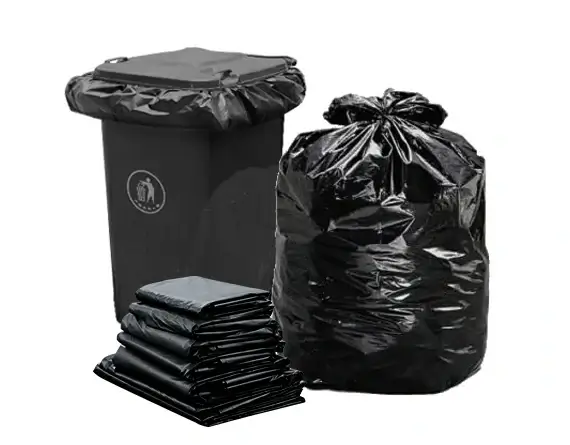
The Solution: Invest in heavy-duty trash bags. These bags are thicker (measured in mils) and have superior puncture resistance.
-
Why it Works: They create an impenetrable barrier. Liquids stay inside the bag, and smells are contained. Without access to food and moisture, flies have no reason to lay eggs.
- Best for: Outdoor wheelie bins, construction debris, and large families.
2. For Kitchen Caddies: Scented Bags
The kitchen is where the most aromatic (to a fly) waste resides.
-
The Solution: Scented trash bags. These bags are infused with fragrances like lemon or lavender that mask the smell of decaying food.
-
Why it Works: Flies hunt by scent. If they can’t smell the trash, they won’t find the trash. This is particularly useful for homes that don’t take out the garbage every single day.
- Best for: Kitchen trash cans, bathrooms, and areas where the bin is kept indoors.
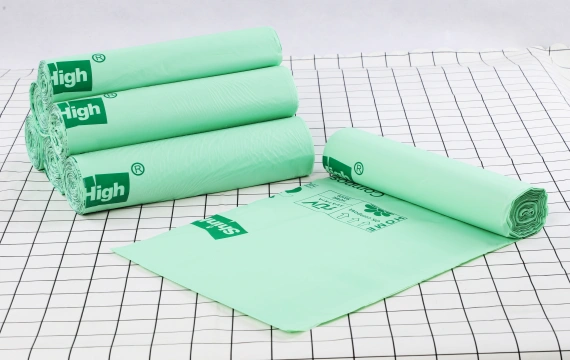
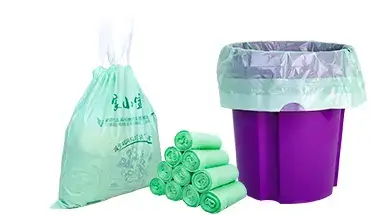
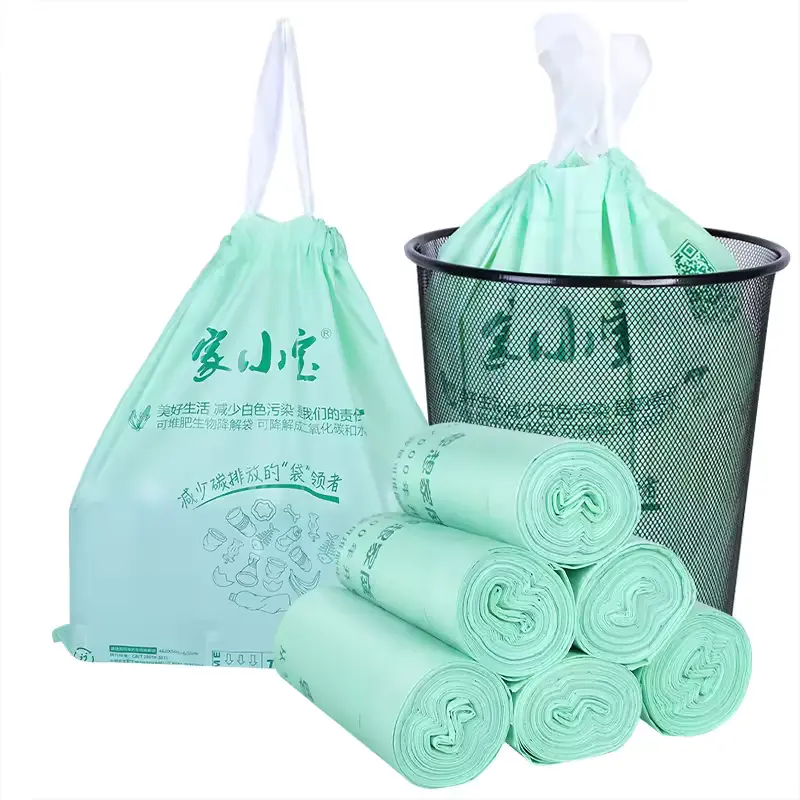
3. For Compost & Food Waste: Compostable Bags
With many US states and UK councils mandating separate food waste collection, compostable bags have become essential. However, there is a nuance here that most websites miss.
-
The Nuance: Compostable bags are designed to break down in industrial composting facilities. Some break down too quickly when exposed to wet food waste, creating holes that allow flies in.
-
The Solution: Choose high-quality, certified compostable bags (look for BPI certification in the US or EN 13432 in Europe). These bags are engineered to stay intact for several days in a kitchen caddy before being transferred to the curb.
-
Why it Works: They contain the smell and the mess while complying with local regulations. They prevent you from having to rinse out a slimy, maggot-infested compost pail every week.
-
Best for: Kitchen caddies, green waste bins, and eco-friendly households.
-
Pro Tip: Even with compostable bags, tie them tight! A loose compostable bag is just an open invitation for flies.
4. The “Double Bag” Rule
Long-Term Prevention: 7 Habits to Keep Maggots Out
Beyond bags, a few simple habits can ensure you never have to deal with this nightmare again.
-
Double Bag Messy Items: Always double-bag meat scraps, fish bones, and cat litter. The extra layer of protection is worth the pennies.
-
Freeze Meat Scraps: Instead of putting raw meat scraps directly into the indoor bin (where they will rot quickly), store them in a container in your freezer. Move them to the outdoor bin on collection morning. This eliminates the “fly buffet” for 2-3 days.
-
Rinse Your Containers: Before throwing away a tin can or a yogurt pot, give it a quick rinse. Removing the food residue removes the fly attractant.
-
Use Baking Soda: After cleaning your bin, sprinkle a layer of baking soda at the bottom before inserting the new bag. Baking soda absorbs moisture and odors.
-
Keep Bins in the Shade: If possible, store your outdoor bins in a shaded area. Heat speeds up decomposition and the hatching of fly eggs. Keeping them cool slows down the lifecycle of any potential pests.
-
Secure the Lid: Ensure your bin lid closes properly. If the latch is broken, flies will get in. Consider using bungee cords for extra security on windy days.
-
Clean the Rim: Every time you take out the trash, wipe the rim of the can. Grease and residue on the outside of the bag or the rim of the bin are primary egg-laying sites.
Special Scenarios & Advanced Tips
Maggots in a Wheelie Bin (UK/EU Focus)
For those in the UK dealing with “wheelie bins,” the principles remain the same. However, because these bins are often used for mixed recycling or garden waste, they can get very dirty. Ensure you are using drawstring trash bags so you can pull the bag out without touching the sides of the bin. If you have a maggot infestation in your wheelie bin, the boiling water method is usually the most practical due to the bin’s size.
Maggots in a Compost Bin
Finding maggots in your backyard compost bin is different. Often, these are “Black Soldier Fly” larvae, which are actually beneficial for breaking down organic matter and are not the same as house fly maggots. However, if you have common house fly maggots, it means your compost pile is too wet or has too much “green” waste (like food scraps) and not enough “brown” waste (like leaves or cardboard). Turn your pile frequently and cover fresh scraps with a layer of soil or browns.
Can Maggots Climb Walls?
Frequently Asked Questions (FAQs)
Here are quick answers to the most common questions we hear:
Are maggots dangerous to humans?
While maggots themselves don’t bite or sting, they are a sign of unsanitary conditions. They feed on bacteria-rich environments and can theoretically transfer pathogens if they come into contact with food prep surfaces. It is best to handle them with gloves.
Will garbage men take a can with maggots?
Yes, sanitation workers are trained professionals and are accustomed to seeing maggots. However, it is considered courteous to kill the maggots and seal the bags tightly before collection to avoid creating a mess on the street.
How long do maggots live?
The larval stage (maggots) typically lasts 5 to 7 days. After that, they crawl to a dry spot, pupate (forming a hard shell), and emerge as flies 3 to 6 days later. Breaking the cycle within the first 5 days is crucial.
Are maggots a sign of poor hygiene?
Not necessarily. While a filthy environment encourages them, even the cleanest homes can get maggots if a piece of meat falls behind the fridge or if a trash bag leaks. It is more a sign of “available resources” for flies than a moral failing.
What do maggot eggs look like?
They look like tiny clusters of white rice grains. They are often laid in dark, moist crevices. If you see these in your bin, scrape them out immediately and disinfect the area.
Does vinegar kill maggots?
White vinegar can kill maggots by acidifying their environment, but it is most effective when combined with hot water. It is also excellent for cleaning the bin afterward to remove odors.
What is the absolute best way to prevent maggots?
Conclusion: Winning the War on Waste
Dealing with maggots in your garbage can is an unpleasant reality of modern life, but it is entirely preventable. By understanding the rapid lifecycle of flies and removing their incentives—food, moisture, and access—you can maintain a clean, pest-free home.
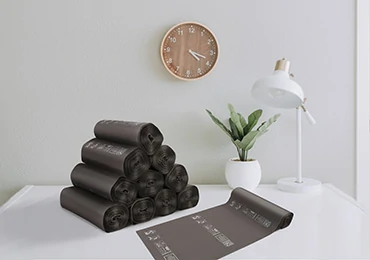
However, the real victory lies in prevention. Preventing flies from laying eggs is the only long-term solution. By upgrading your standard liners to heavy-duty, scented, or compostable trash bags, you create a physical and olfactory barrier that flies simply cannot breach. Don’t let a few flies turn your home into their breeding ground. Invest in quality waste management, keep your bins dry, and enjoy a cleaner, fresher-smelling home all year round.
Ready to upgrade your defense? Explore our range of puncture-resistant heavy-duty bags and certified compostable liners today to ensure your bins stay maggot-free for good.
Read more
What Size Trash Bag Do I Need? Quick Answer + Size Chart (2026 Guide)
How to Tie a Garbage Bag (Drawstring & Flap-Tie): Leak-Proof & Odor-Free
13 Gallon Trash Bag Dimensions: The Definitive Size & Fit Guide (2026)
How Long Can Bedbugs Live in a Trash Bag? Proven Tips for 2026
How to Keep Flies Away From Your Trash Can: 10 Proven Methods