



Introduction: The Unsung Hero of Modern Shipping
Think about the last time you ordered a t-shirt, a piece of jewelry, or a paperback book online. Chances are, it arrived not in a bulky cardboard box, but inside a lightweight, flexible, and often brightly colored plastic pouch. This humble, ubiquitous package is the poly mailer bag—the unsung hero powering modern e-commerce and logistics.
Far more than just a simple plastic bag, the poly mailer is a precisely engineered shipping solution designed for efficiency, protection, and cost savings. Whether you’re a small business owner shipping your first products or a consumer curious about the packaging that lands on your doorstep, understanding this essential tool is key. This guide will demystify the poly mailer bag, explaining what it is, why it’s so widely used, its pros and cons, and how to choose the right one for your needs.
What Is a Poly Mailer Bag? The Basic Definition
A poly mailer bag (short for polyethylene mailer) is a lightweight, durable, and flexible shipping bag made from polyethylene plastic film. It is designed primarily for shipping non-fragile, “soft” goods that don’t require the rigid protection of a box.
-
Material: It’s typically made from Low-Density Polyethylene (LDPE), a type of plastic known for its durability, water resistance, and slight stretch. This gives the bag its ability to withstand punctures, tears, and moisture during transit.
-
Construction: Most poly mailers feature a self-sealing adhesive strip. To close, you simply peel off a protective liner and press the flap down firmly—no packing tape is needed. Many also come with a convenient tear-off strip for easy opening by the recipient.
-
Primary Use: So, what is a poly mailer bag used for? Its ideal applications are items that are durable, pliable, or can be folded flat. The most common uses include:
-
Clothing, apparel, and textiles
-
Soft goods (linens, towels, plush toys)
-
Books, documents, and stationery
-
Accessories, jewelry (in a small inner pouch)
-
Small, non-fragile hardware items
-
In essence, it’s a protective, streamlined envelope that replaces heavier, more cumbersome packaging for a vast range of products.
Poly Mailer Pros and Cons: When to Use (and When Not To)
-
Lightweight: This is their biggest advantage. Their minimal weight can significantly reduce shipping costs compared to cardboard boxes, especially with rate structures that factor in dimensional weight.
-
Water-Resistant: Made of plastic, they provide an excellent barrier against rain, snow, and humidity during delivery, protecting the contents from weather damage.
-
Durable: The LDPE material is surprisingly tough, offering good resistance to punctures and tears during normal postal handling—more so than a standard paper envelope.
-
Efficient: The self-seal closure allows for incredibly fast packing. There’s no need for tape guns or box assembly, streamlining the fulfillment process.
-
Cost-Effective: They are generally inexpensive to purchase in bulk and take up very little storage space compared to boxes.
-
No Structural Protection: They offer zero cushioning or crush protection. They are not suitable for fragile items, electronics, hard goods, or anything with sharp edges that could pierce the bag.
-
Perceived Value: While custom-printed poly mailers can look professional, a plain plastic bag may not convey the same premium “unboxing” experience as a well-designed cardboard box for high-end brands.
-
Environmental Considerations: As single-use plastic, their disposal poses challenges. Traditional poly mailers are not widely accepted in curbside recycling, leading to concerns about waste (a topic we will address in detail later).
-
The Key Trade-off: The decision often comes down to a classic poly mailer vs cardboard box analysis. Choose a poly mailer for lightweight, non-fragile items where cost and efficiency are paramount. Choose a box for fragile, valuable, or hard items that need structural integrity and cushioning.
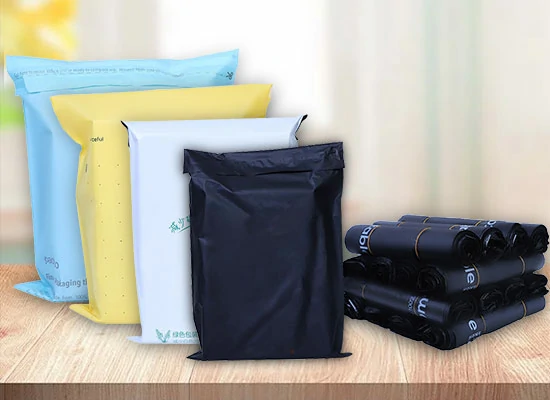
Types of Poly Mailers: A Visual Guide
-
By Closure Type:
-
Self-Seal (Peel & Stick): The most common type. Features a strip of adhesive protected by a removable liner. To close, peel off the liner and press the flap down.
-
Adhesive Strip (Tape-to-Seal): Has a strip of exposed, pressure-sensitive adhesive (like on a sticker). You must fold the flap over and press firmly to activate the glue. May require additional tape at the edges for complete security.
-
-
By Appearance:
-
Plain/Standard: Usually in white or clear. The most economical and generic option, ideal for internal shipping or cost-sensitive businesses.
-
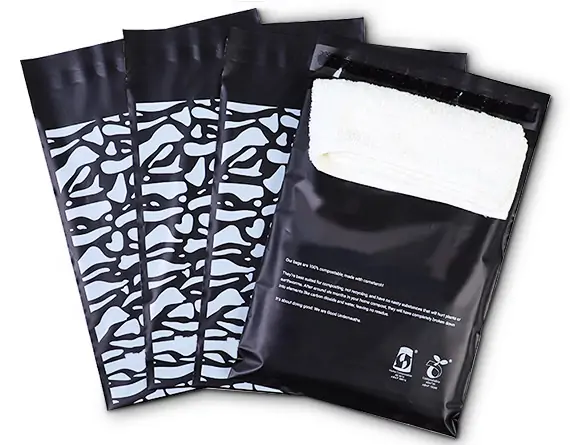
Branded/Printed: Custom-printed with your logo, brand colors, and design. This transforms a simple mailer into a powerful marketing tool that enhances brand recognition and provides a professional unboxing experience.
-
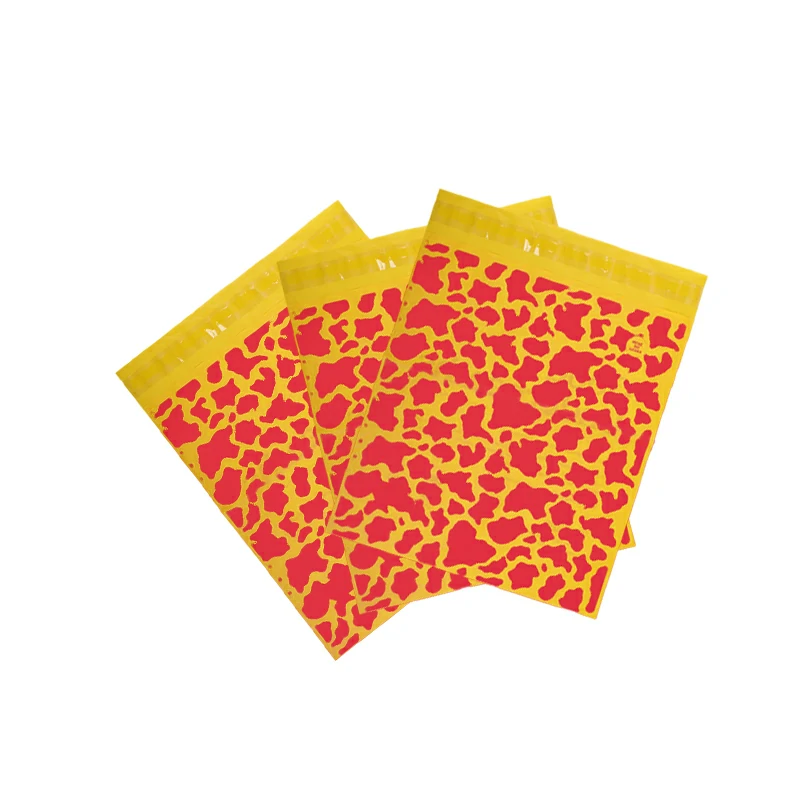
Colored/Patterned: Available in a variety of solid colors or fun patterns (polka dots, stripes, etc.). Perfect for e-commerce brands in fashion, beauty, or crafts looking to create a memorable and Instagram-worthy arrival.
-
-
By Function:
-
Bubble Mailers (Padded Mailers): Feature a layer of bubble cushioning laminated to the interior. They split the difference between a poly bag and a box, offering light padding for items that need a bit more protection than clothes, like small electronics, cosmetics, or framed photos.
-
Anti-Static Poly Mailers: Made from a special pink or black polyethylene material that dissipates static electricity. Essential for shipping static-sensitive components like computer parts, circuit boards, or electronic accessories.
-
Eco-Friendly Options: A growing category in response to sustainability concerns. This includes:
-
Recycled Content Mailers: Made from a percentage of post-consumer recycled (PCR) plastic.
-
Biodegradable/Degradable Mailers: Designed to break down faster than traditional plastic in specific conditions, though certifications and disposal methods vary.
-
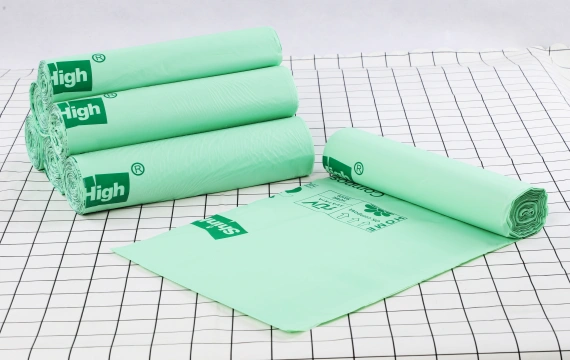
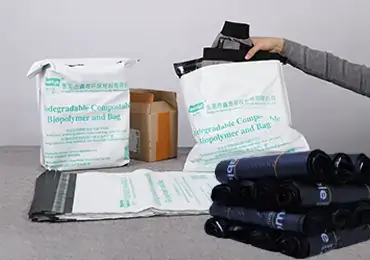
Compostable Mailers: Certified to break down in industrial composting facilities into non-toxic components. Crucially, these are not for home compost bins.
-
-
How to Choose the Right Poly Mailer: Sizing, Thickness & More
-
How to Measure: Lay your folded item flat. Measure its length and width. Choose a mailer that is 1-2 inches larger in both dimensions.
-
Common poly mailer sizes for clothing:
-
T-shirts, single apparel items: 10″ x 13″ or 12″ x 15.5″
-
Sweatshirts, multiple thin items: 14″ x 19″
-
Bulkier sweaters or jeans: 16″ x 20″ or larger
-
-
1.5 – 2 mil: Lightweight. Suitable for documents, very flat fabrics, or lightweight items with minimal handling risk.
-
3 – 4 mil (The Sweet Spot): Standard duty. Offers excellent durability for most clothing, books, and general merchandise. Provides a good balance of strength and cost.
-
5 – 6 mil: Heavy-duty. For dense, heavy items (like multiple hardcover books) or products with slightly sharper edges that need extra puncture resistance.
-
Packaging Specialty Suppliers: Companies like Uline, Globe Guard, ShinHigh, or EcoEnclose offer vast selections, bulk pricing, and customization. Best for serious volume.
-
Amazon/Business Retailers: Excellent for buying smaller bulk quantities (packs of 50-200) to test different sizes and styles quickly.
-
Wholesale Marketplaces: Sites like Alibaba are for sourcing directly from manufacturers, typically with very high minimum order quantities (MOQs).
-
Pro Tip: Always order samples first to test the size, thickness, and seal quality with your actual product before committing to a large purchase
Practical Guide: How to Pack, Address, and Ship
Using a poly mailer correctly ensures your item arrives safely and looks professional.
-
Packing:
-
Ensure the item is clean, dry, and free of loose dirt or grease.
-
For clothing, fold neatly to minimize wrinkles and create a flat package.
-
For added professionalism or to prevent dust, place the item in a thin, clear poly bag before inserting it into the mailer.
-
Remove all old price tags and labels.
-
-
Addressing:The key to addressing a poly mailer is clarity and permanence. The address must not smear or rub off in transit.
-
Best Option: Use a printed shipping label. Adhere it smoothly to the flattest part of the mailer, avoiding seams or the sealing area.
-
Alternative: Use a permanent, waterproof marker (like a Sharpie). Write clearly and boldly. On colored mailers, use a black marker or a white opaque label for contrast.
-
Always place the address on the same side as the item, not on an empty, poofy air pocket.
-
-
Sealing:For self-seal mailers, knowing how to seal a poly mailer without tape is simple:
-
Insert your item and press out any excess air.
-
Peel off the protective liner from the adhesive strip completely.
-
Fold the flap over tightly and press firmly along the entire length of the adhesive strip, applying pressure from the center outwards to the edges to eliminate bubbles.
-
Check the seal by gently trying to pull the flap open. A proper seal will hold firmly. For added security on heavy items, you can apply a single piece of packing tape over the center of the sealed flap.
-
The Sustainability Question: Are Poly Mailers Recyclable?
This is the most common and critical question for environmentally conscious businesses and consumers: Are poly mailers recyclable?
The answer is nuanced. Traditional polyethylene poly mailers are typically NOT accepted in curbside single-stream recycling bins. Their lightweight, flexible nature can clog and damage the machinery at Material Recovery Facilities (MRFs). However, they are often recyclable through a separate, dedicated stream.
-
The Retail Drop-off Solution: Many major retailers (like Target, Walmart, and grocery stores) offer in-store collection bins for plastic bags and films. Since most poly mailers are made from the same #4 LDPE plastic as shopping bags, they are usually accepted in these programs. Always check for the “Store Drop-Off” label and ensure the mailer is clean and dry.
-
Specialized Mail-Back Programs: Some manufacturers and organizations offer take-back programs where you can mail used poly mailers to a specialized recycler.
-
Reuse: The most sustainable option is to extend the life of the mailer. Can you reuse poly mailer bags? Absolutely. Encourage your customers to reuse them for returns, storing items, or shipping their own packages. Designing your mailer to be durable and easy to open (without tearing) facilitates reuse.
-
Choose Better Options: As a sender, you can make a difference at the source:
-
Post-Consumer Recycled (PCR) Content: Opt for mailers made from recycled plastic.
-
Recyclable-By-Design: Some new mailers are designed and certified to be fully compatible with store drop-off recycling streams.
-
Biodegradable/Compostable Alternatives: Consider mailers made from materials like PBAT or PLA that are certified compostable in industrial facilities. Crucially, you must clearly instruct customers on how to properly dispose of them (e.g., “Compost in Industrial Facility Only”). Do not market these as “home compostable” unless they carry specific certifications for that.
-
-
Final Disposal: If recycling or reuse is not an option, the mailer should be disposed of as regular trash. Never place it in curbside recycling as it contaminates the entire batch.
Conclusion: A Simple, Smart Shipping Solution
The poly mailer bag stands as a testament to practical, efficient design in the world of logistics. For shipping non-fragile, pliable items—especially in the booming realms of apparel, textiles, and publishing—it offers an unbeatable combination of lightweight durability, water resistance, and cost-effectiveness.
Choosing the right poly mailer is a matter of matching its properties to your needs. Consider the nature of your product (is it soft and sturdy?), your shipping cost goals, your brand image (does it need a plain or branded look?), and your environmental commitments (can you opt for recycled or compostable options?).
By understanding its strengths, limitations, and lifecycle—from selecting the correct thickness to educating customers on reuse and proper end-of-life disposal—you can leverage this simple packaging solution wisely. For countless businesses, the humble poly mailer isn’t just a bag; it’s a smart, streamlined, and sustainable link to the customer.