



Introduction: The Composting Conundrum with Fruit
Composting is a cornerstone of sustainable living, transforming kitchen and garden waste into “black gold” for your plants. It reduces landfill waste, enriches soil, and closes the nutrient loop in your garden. However, a common pitfall for many enthusiasts is assuming all organic scraps are created equal.
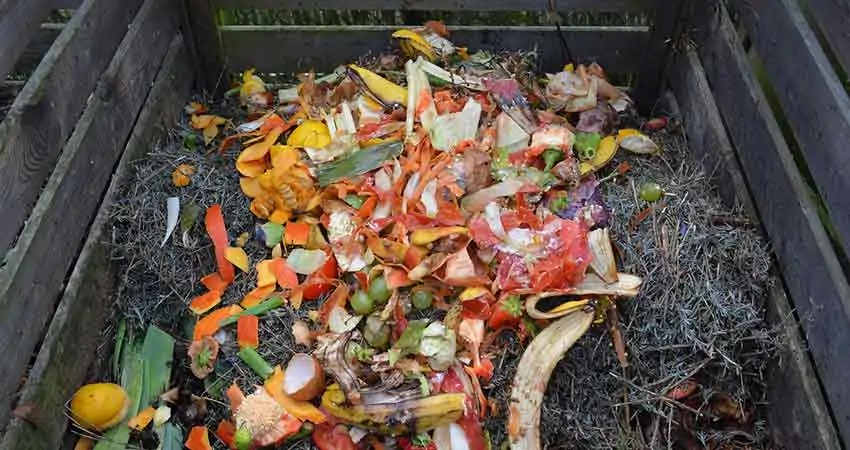
One of the most frequent composting mistakes with fruit is adding everything without discretion. While fruit scraps are valuable “green” material, certain types can disrupt the delicate balance of your pile, attracting pests, slowing decomposition, or even harming your future plants. Understanding which fruits to avoid is key to creating rich, healthy compost efficiently.
Why Some Fruits Are Problematic for Your Compost Pile
Not all fruit waste breaks down equally. Some can disrupt the delicate balance of your compost ecosystem. Here are the main reasons:
-
High Acidity: Citrus peels (oranges, lemons, limes) are highly acidic. In large quantities, they can lower the pH of your compost pile, temporarily inhibiting the activity of the decomposing microbes and worms. This can slow down the entire process.
-
Slow Decomposition: Some fruit parts are simply too tough or dense for a typical backyard “cold” compost bin to handle in a reasonable timeframe. Avocado pits and skins, for example, are notoriously resilient and can take years to break down, often ending up still whole in your finished compost.
-
Disease Spread: Adding fruits that are moldy or visibly diseased (like blighted tomatoes or mildewed strawberries) is risky. The pathogens (fungi, bacteria) that cause the rot may survive the composting process, especially in cooler piles, and could be reintroduced to your garden, infecting your plants.
- Pest Attraction: Sweet, sugary, and already decaying fruits are a magnet for unwanted visitors. Fruit flies, ants, rodents, and raccoons can be drawn to piles containing lots of melon rinds, berry scraps, or overripe bananas.
-
Oils and Coatings: Fruits that have been cooked, especially with oils, butter, or sauces, introduce fats that decompose slowly and can create odor issues. Additionally, the shiny wax coatings on many store-bought apples and cucumbers are not readily compostable and can form impermeable clumps.
The Definitive List: Fruits to Avoid in Traditional (Cold) Compost
For a standard, low-maintenance compost pile or bin, it’s best to avoid or strictly limit the following:
-
Citrus Peels (Oranges, Lemons, Limes, Grapefruit): Their high acidity and tough, oil-rich skin slow decomposition and can harm worms in vermicompost systems. Use very sparingly, always chopped.
-
Banana Peels: While often cited as compostable—and they are—they come with caveats. A common question is, why can’t you compost banana peels easily? The issue is twofold: they are often treated with pesticides that can linger, and if added whole, their thick, fibrous material decomposes very slowly. Chopping them helps significantly.
-
Avocado Pits and Skins: The pit is notoriously hard and can take several years to decompose. The thick skin also breaks down very slowly. It’s best to exclude them or crush the pits.
-
Fruit Seeds and Pits from Apples, Peaches, Plums, etc.: Many seeds contain compounds that slow their decay. More importantly, apple, pear, and stone fruit seeds (like peaches) may survive and sprout in your garden bed.
-
Diseased or Moldy Fruits: This is non-negotiable. Fungal diseases and blights can persist. Never compost fruits with powdery mildew, black rot, or other visible ailments.
-
Fruits with High Pesticide Residues (Non-Organic): The chemicals on conventional fruit skins can linger and may harm the beneficial microbes in your pile. When in doubt, avoid the peels.
-
Cooked Fruits with Oils, Sauces, or Sugar: The addition of fats, salts, and sugars can attract pests and create odor issues. They disrupt the essential carbon-to-nitrogen balance of your pile.
The Game Changer: Hot Composting Exceptions
-
It drastically accelerates decomposition, breaking down tough materials like citrus rinds and neutralizing their acidity much faster.
-
It is lethal to pathogens, safely destroying the fungi and bacteria from moldy or diseased fruits.
-
It kills weed seeds and prevents fruit seeds (such as those from tomatoes or peppers) from germinating later.
What to Do With “Forbidden” Fruit Scraps? Safe Alternatives
-
Citrus Peel “Tea” for Acid-Loving Plants: Steep chopped citrus peels in water for 24-48 hours. Strain the liquid, dilute it heavily (at a 10:1 water-to-tea ratio), and use it to water acid-loving plants like blueberries, azaleas, or rhododendrons. The peels themselves can be dried and ground for a zesty kitchen scrub or added to vinegar cleaners.
-
Direct Burying (The Pit Method): Dig a deep hole (at least 30 cm or 12 inches) in an unused part of your garden, place the scraps inside, and cover with soil. This contains odors, deters pests, and lets the materials decompose in place, enriching that spot directly.
-
Vermicomposting Caveats: If you have a worm bin, be extra cautious. Worms are sensitive to acidity and toxins. Completely avoid citrus peels, onion skins, and any spicy or salty cooked fruits. Small amounts of other fruit scraps (like melon or berry bits) are worm favorites, but always add in moderation.
-
Municipal Green Waste Programs: Your local curbside organics collection (if available) typically uses large-scale, high-temperature industrial composting. These facilities can handle almost all fruit waste, including citrus and pits. Check with your local service to confirm.
Best Practices for Composting Fruit Scraps Safely
For the fruit scraps that are compost-friendly (like apple cores, melon rinds, berry hulls), follow these tips to ensure a healthy, pest-free pile:
-
Chop or Break Them Up: Reducing the surface area by chopping or shredding scraps helps microbes work faster, speeding up decomposition significantly. A whole apple will take much longer to break down than apple chunks.
-
Moderation is Key: Fruit scraps are nitrogen-rich “greens.” To maintain the ideal carbon-to-nitrogen balance (roughly 25-30:1), always bury fruit scraps under a thick layer of “browns” like dried leaves, shredded cardboard, or straw. This balances moisture and deters flies.
-
Bury and Cover: Never leave fruit scraps on the surface. Always add them to the center of the pile and cover them completely with browns. This simple step is the most effective way to prevent fruit flies and other pests.
-
Turn Regularly: Aerating your pile by turning it every week or two introduces oxygen, which fuels the aerobic microbes responsible for hot, fast, and odor-free decomposition. It also helps blend materials for a more uniform breakdown.
FAQ
-
In Cold/Slow Compost: It’s best to avoid or use extreme moderation. The high acidity and natural oils in citrus peels (oranges, lemons, limes) can slow down microbial activity and harm worms if added in large quantities. Small amounts, finely chopped and well-buried, may be okay.
-
In Hot Compost: Yes, you generally can. The sustained high temperatures (above 40-60°C/104-140°F) of a properly managed hot pile will quickly break down the acids and oils, making composting citrus fruits safe and effective. Always chop peels to speed up the process.
A: Technically, yes, as they are organic, but practically, they are one of the least compost-friendly items. Avocado pits are compostable only in theory for a cold backyard system; their rock-hard structure means they can take several years to decompose. You will likely find them intact in your finished compost. In a hot compost pile, the process is faster but still lengthy. The best alternatives are to discard them in your municipal green waste (which uses industrial grinders and heat) or, for creative reuse, you can clean, dry, and grind them into a powder for use as a natural dye or in very small amounts as a garden abrasive.
Conclusion: Compost Smart, Not Just Everything
Successful composting isn’t about throwing all organic waste into a bin; it’s about understanding the process and feeding your pile the right ingredients. The core fruits to be cautious with in a traditional cold compost system are: citrus peels (in excess), avocado pits and skins, large fruit seeds and pits, and any diseased or moldy fruit.
The key takeaway is that knowledge empowers you to compost more effectively. By recognizing why certain items are problematic (acidity, slow breakdown, disease risk), you can make informed decisions. Embracing methods like hot composting can significantly broaden what you can process safely and efficiently.
Don’t let this list discourage you. Instead, let it give you the confidence to build richer, healthier, and trouble-free compost. By composting smartly, you ensure that your effort truly turns waste into a valuable resource for a thriving garden. Happy composting