



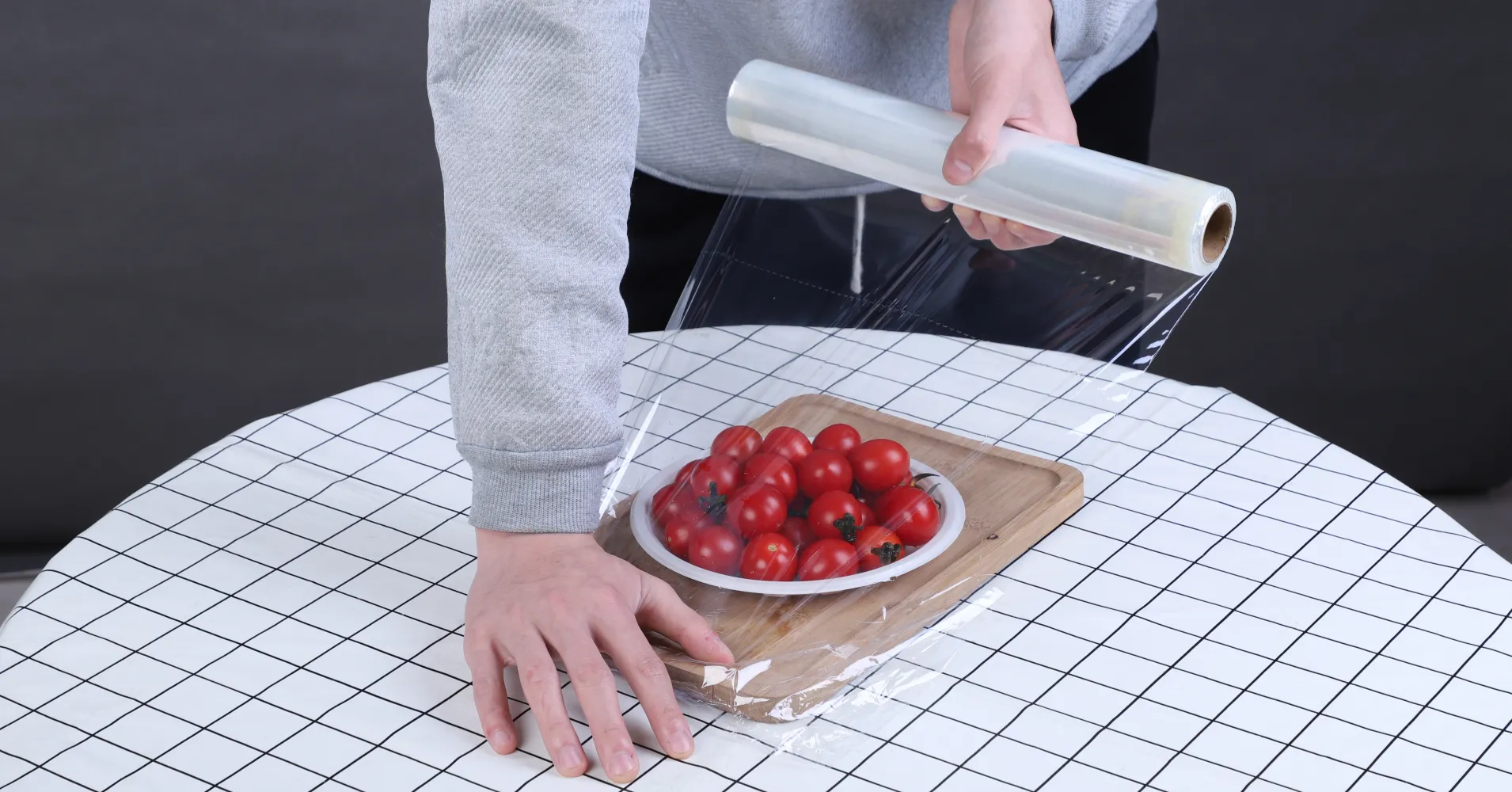
 Cling film, or cling wrap as some call it, has become an indispensable part of modern life, from everyday home use to demanding commercial applications. But with so many options available, choosing the right one can be confusing. Have you ever stopped to think about the secrets behind this everyday item and how it impacts our planet? In this comprehensive guide, we’ll delve into the world of cling film, exploring polyolefin materials, uncovering their pitfalls, and ultimately, introducing you to the revolutionary world of compostable cling film and biodegradable food wrap.
Whether you’re looking for the best cling wrap for your home kitchen or seeking a more sustainable option for your bulk food business, this article is for you.
What is Cling Film Made Of? PE, PVDC, PMP, and LDPE Explained
When you reach for cling film, do you know what it’s actually made of? The most common materials used in plastic cling wrap include:
- PE (Polyethylene): A waterproof and breathable option, ideal for wrapping vegetables and frozen foods. However, it struggles with greasy foods, and using it may require a slider or point-break line for ease of use.
- PVDC (Polyvinylidene Chloride): PVDC is a thick, low-oxygen permeability cling film that excels at maintaining moisture and freshness, ideal for long-term preservation. It is safe for use in microwave ovens, steamers, and freezers.
- PMP (polymethylpentene): A high-temperature resistant option with high cost, suitable for cooking at high temperatures. However, it’s not as effective at lower temperatures, making it less suitable for freezing.
- LDPE (Low-Density Polyethylene): This material is temperature resistant at low temperatures, but it’s not suitable for microwave ovens or with oil, and is sensitive to UV rays and heat.
What is Compostable Cling Film? The Eco-Friendly Alternative
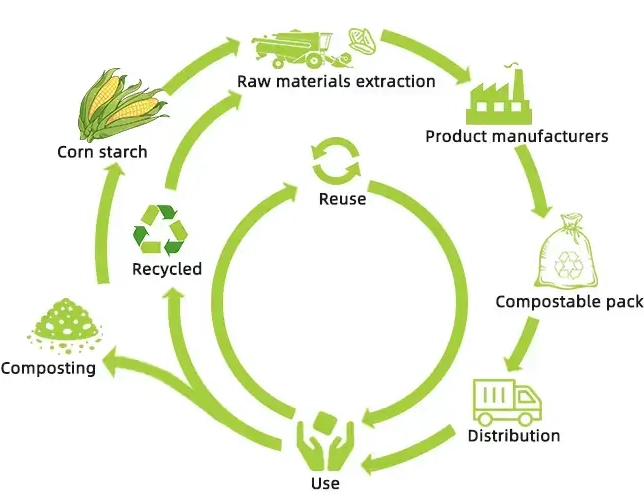
For too long, we’ve relied on conventional plastic cling film, a significant contributor to landfill waste. The good news is, there’s a better way! Compostable cling film, also known as biodegradable cling wrap, offers an environmentally friendly alternative. It’s designed to safely decompose in a composting environment, unlike its petroleum-based counterparts.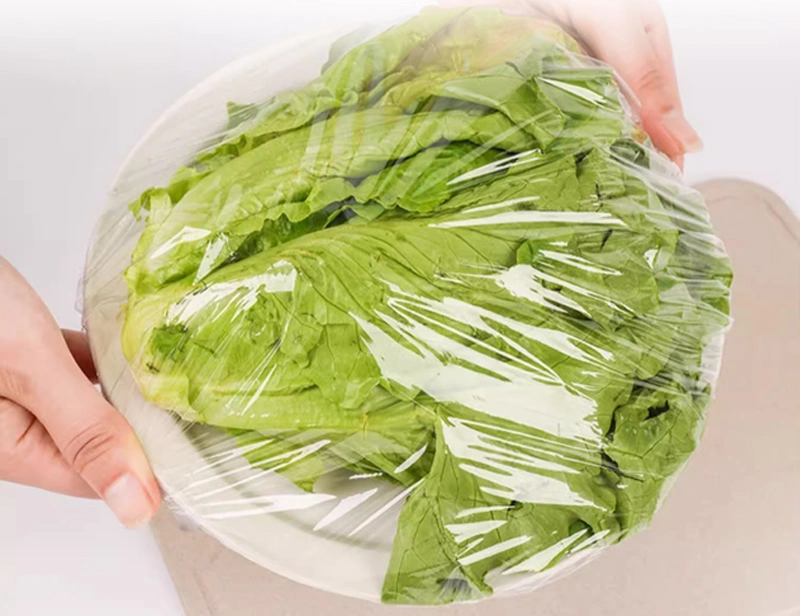
What Makes Biodegradable Food Wrap So Special?
- Non-Toxic Decomposition: Unlike plastics that leach harmful chemicals, degradable cling wrap breaks down into safe, non-toxic elements.
- Meeting Consumer Demand: Eco-conscious consumers are increasingly demanding sustainable products. By offering compostable cling film, businesses can meet that demand and resonate with a wider customer base.
- Superior Performance: Advanced compostable cling film options utilize innovative sealing technology, providing a tight seal to preserve food’s freshness, flavor, and nutrients. It also effectively slows oxidation and reduces water loss. This makes it ideal for domestic and commercial use. Bulk orders are available for businesses.
- Added Convenience: With a point-and-shoot design or optional cutter for ease of use, there is no more frustrating sticky mess, making preservation simple and efficient.
What are the Main Types of Biodegradable Cling Film?
- Plant Starch-Based: Usually made from corn or potato starch, these are widely available, affordable, and perform similarly to conventional plastic cling film.
- PLA-Based (Polylactic Acid): A bioplastic derived from fermented plant sugars, known for its clarity and durability.
- PBAT-Based (Polybutylene Adipate Terephthalate): An easily biodegradable material with great flexibility, heat resistance, and impact resistance, ideal for various applications.
How to Use Cling Film Safely and Effectively
It’s important to use cling wrap correctly for the best results and to avoid health risks. Here’s the smart way to use it, whether you’re storing leftovers or wrapping fresh produce.
Cling Film vs. Plastic Bags: Which is Better for Food Freshness?
Unlike plastic bags, cling film provides a better seal, keeping your food fresher for longer. It creates an airtight barrier that locks in moisture and flavor, helping to preserve the taste and texture of your food. Cling film also prevents cross-contamination, stopping flavors from transferring between different dishes.
Cling Film vs. Aluminum Foil: Which Should You Choose?
Cling film has a unique advantage over aluminum foil when it comes to storing fruits and vegetables. Unlike foil, cling film allows produce to “breathe,” preventing the build-up of moisture and gases that can accelerate decay. This breathable feature keeps fruits and vegetables fresh longer, helping you reduce food waste. Always choose the right material for the specific food item to maximize its shelf life.
Is PVC Cling Film Safe? Understanding the Health Risks
One important thing to know is that PVC cling film, commonly used to wrap supermarket fruit cuts and boxed meats, can be a potential health hazard. While PVC itself is non-toxic when new, it contains plasticizers that are added to enhance flexibility. When exposed to light, heat, or grease, these plasticizers can break down into harmful substances, including teratogenic (birth defect-causing) and carcinogenic chemicals.
For this reason, it’s crucial to avoid using PVC cling film for packaging cooked or fatty foods. Always replace supermarket packaging, especially PVC-based wraps, with a safer, home-use biodegradable cling film for storage.
Why Choose ShinHigh for Your Compostable Cling Film Needs?
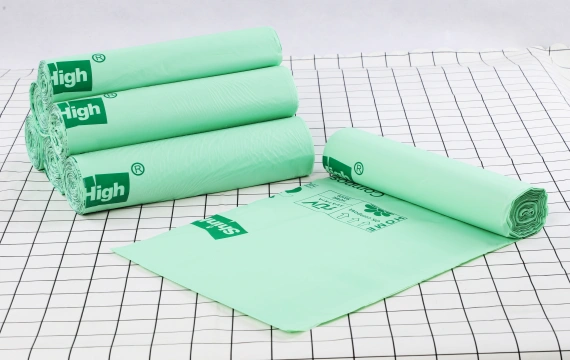
We are a manufacturer and factory specializing in compostable film. We offer high-quality, biodegradable food wrap solutions for commercial clients looking for sustainable alternatives. Whether you require bulk orders for your restaurant or want to stock eco-friendly cling film in your store, we can provide degradable cling wrap solutions tailored to your specific needs. Please feel free to contact us.
FAQ: Common Questions About Clostable Cling Film Answered
Q1: Can I use cling film in the microwave?
A: It depends on the material. Standard PVC or PVDC cling films are not safe for microwaving as they can melt or leach chemicals. Most PE (polyethylene) cling films are microwave-safe, but always check the packaging label. For complete safety and eco-friendliness, look for specifically labeled microwave-safe compostable films.
Q2: Can cling film be used in the oven or for hot foods?
A: No, you should avoid using any cling film in a conventional oven, air fryer, or directly on steaming hot food. High temperatures (above 110°C/230°F for most types) can cause the film to melt, shrink, or release harmful substances. For oven use, opt for aluminum foil or oven-safe lids. Allow hot food to cool slightly before covering with cling film.
Q3: How should I store fatty or oily foods (like cheese, butter, or cooked meats) with cling film?
A: Choose the right film and ensure direct contact. Fatty foods can accelerate the migration of plasticizers from certain films (especially PVC). Use high-quality PE or certified compostable film. Press the film directly onto the surface of the food to minimize air exposure, which prevents oxidation and odors. For long-term storage of very fatty foods, consider using glass or ceramic containers with lids.
Q4: What’s the difference between “Biodegradable” and “Compostable” cling film?
A: This is crucial: All compostable materials are biodegradable, but not all biodegradable materials are compostable. “Biodegradable” is a broader term meaning it will eventually break down. “Compostable” (certified to standards like EN13432 or ASTM D6400) means it will break down into nutrient-rich compost within a specific timeframe in an industrial composting facility, leaving no toxic residue. Always look for official compostability certifications.
Conclusion: