



Two ubiquitous flexible plastic packaging often find themselves mistakenly lumped together: stretch film and cling wrap. Although they both arrive on rolls and share some similarities, their fundamental purposes, material science, performance characteristics, and applications differ significantly. Confusing them isn’t just a semantic error; it can lead to product damage, safety hazards, spoiled food, and wasted resources. Understanding the distinct differences between stretch film and cling film is crucial for kitchens, warehouses, logistics, and manufacturing.
Here is a detailed overview highlighting the key differences between stretch film and cling wrap:
1. Core Function & Purpose:
Stretch Film: Primarily designed for securing and unitizing loads, especially palletized goods. Its key feature is high stretchability. It’s stretched under tension to wrap items tightly, using its elastic recovery force to hold them firmly together. This prevents shifting, spillage, or damage during transport or storage. Load stability is its primary job.
Cling Wrap: Primarily designed for covering and sealing food containers, dishes, or directly wrapping food items. Its key feature is self-adhesion (“cling”). The film easily sticks to itself, container surfaces, or food (without needing tension) to create a seal. This prevents food from drying out, absorbing odors, transferring flavors, or becoming contaminated. Sealing and freshness preservation are its primary jobs.
2. Key Performance Characteristics:
Stretchability:
Stretch Film: Very high stretch rate (typically 100%-300% or more). Crucial for load stability. Maintains strength when stretched.
Cling Wrap: Limited stretchability (typically 25%-50%). Over-stretching causes tearing. Doesn’t rely on stretch tension to function.
Adhesion (“Tack” or “Cling”):
Stretch Film: Usually has light, one-sided tack. This helps layers stick lightly together after wrapping to prevent unwinding. Relies mainly on elastic force, not adhesion, for holding power.
Cling Film: Has strong, double-sided cling properties. It readily sticks to itself, smooth surfaces (glass, ceramic, plastic), and some food surfaces (like cut fruit, cheese), forming an airtight/semi-airtight seal. This cling is essential to its function.
Thickness & Strength:
Stretch Film: Generally thicker, tougher, and stronger (especially industrial hand and machine stretch films). Must withstand stretch tension, sharp corners, friction, and impacts.
Cling Film: Typically very thin, soft, and easy to tear. High strength isn’t needed; focus is on flexibility and cling/seal performance.
Common Materials:
Stretch Film: Primarily Linear Low-Density Polyethylene (LLDPE). Comes in hand wrap and machine wrap grades.
Cling Film: Traditionally used Polyvinyl Chloride (PVC) for its excellent cling and clarity. Now, Low-Density Polyethylene (LDPE) or Polyolefins are increasingly common due to environmental/health concerns, though they often have less cling than PVC.
Oxygen/Moisture Barrier:
Stretch Film: Barrier properties are not a primary focus; generally average.
Cling Film: Designed for food preservation, often featuring some barrier properties (especially PVC) to slow oxygen/moisture transfer and extend shelf life (though not a complete barrier).
Temperature Resistance:
Stretch Film: Generally has a wider/better temperature tolerance, especially in industrial grades.
Cling Film: PVC cling film is generally not heat-resistant; contact with hot food or microwave use may release harmful compounds. PE cling film has better heat resistance (check specific product), but direct contact with hot food or microwave use is often not recommended.
Primary Uses:
- Stretch Film:
Industrial Packaging: Securing palletized loads (boxes, bags, drums, panels).
Warehousing: Stabilizing stacked goods.
Logistics/Transport: Protecting goods (stability, minor dust/moisture protection).
Moving/Packing: Securing drawer contents, wrapping furniture. - Cling Film:
Home Kitchen: Covering bowls/dishes, wrapping leftover food (produce, cooked meals, cheese), sealing can/jar openings.
Food Service/Catering: Covering prepped food, display case freshness.
Refrigerator/Freezer Storage: Preventing food dehydration and flavor transfer.
Temporary Sealing: Covering open containers.
Stretch Film is about physical force (stretch & recovery) for load stability, while Cling Film is about surface adhesion for sealing and freshness. The most important thing is whether it is food safe.
Industrial stretch film may contain additives such as plasticizers, stabilizers and tackifiers to enhance its tensile strength, adhesion, puncture resistance and tear resistance, meeting the requirements of binding, fixing and protecting goods. These additives are not necessarily food-grade. Cling film is made of food-grade materials such as PE or PVC. They are specially designed for contact with food, and the types and contents of additives are strictly restricted by regulations (such as the FDA) to ensure their safety (low migration, that is, harmful substances are not easy to migrate into food).
PVC cling film poses significant risks when heated (e.g., in microwaves) and is increasingly being replaced by safer PE alternatives, which themselves have usage limitations regarding heat.
Sustainability and Future Trends
Both stretch film and cling film face significant scrutiny regarding plastic waste, driving innovation toward more sustainable solutions.
- Stretch Film: Industry efforts focus on reducing material use through down-gauging (developing thinner, stronger films) and increasing pre-stretch levels (maximizing coverage per pallet while minimizing material). Additionally, manufacturers are developing recycled LLDPE films and enhancing recyclability/recovery programs, though challenges remain due to frequent contamination of used film.
- Cling Film: A key sustainability trend is the shift away from PVC towards more recyclable LDPE. However, recycling thin films is inherently difficult. For consumers, reusable alternatives like silicone lids offer practical substitutes for some applications.
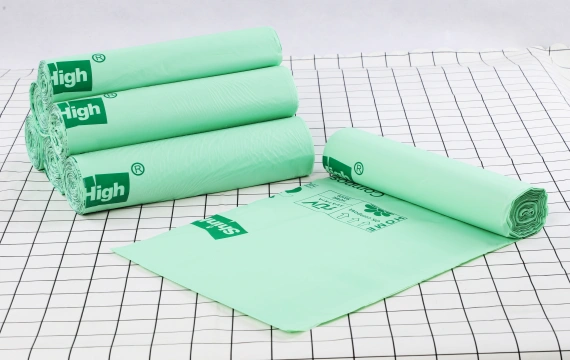
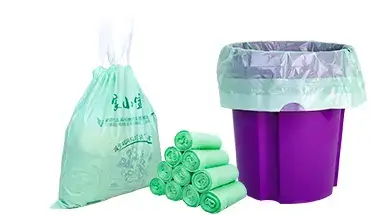
Looking ahead, compostable films represent a growing development for both categories. These newer options – compostable cling film and stretch film – aim to match the performance of traditional plastics while offering an end-of-life solution: they completely decompose via composting, enriching soil fertility. This makes them particularly suitable for large-scale users and regions with strict plastic restrictions.
Conclusion
Stretch film and cling film are marvels of polymer engineering. Stretch film is the unsung hero of global logistics, silently holding the world’s goods together on their journeys. Cling film is the humble guardian of our kitchens, fighting rot one covered bowl at a time. Confusing them leads to waste and potential danger. By understanding their distinct purposes, materials, properties, and rightful applications, we can harness their strengths effectively, safely, and more sustainably.