




The Universal Kitchen Struggle
It’s a scene we all know too well: the leftover bowl of spaghetti bolognese, the plate of sliced lemons, the salad you’re taking to a party. You reach for that trusty roll of plastic cling film, hoping it will keep everything fresh. But the reality often hits hours later—a messy fridge shelf, a sagging film that’s stuck to your food, and the unmistakable smell of last night’s dinner permeating everything.
If this sounds familiar, you’re not alone. The hard truth is, if your cling film for food packaging doesn’t create an airtight seal, it’s almost useless. It’s not just about leaks; it’s about air and bacteria sneaking in, accelerating spoilage. But what if the problem isn’t the product itself, but the method?
Today, we’re revealing a revolutionary, dead-simple trick and exploring everything you need to know about this kitchen staple—from everyday use to industrial cling film wrap and the emerging world of compostable cling film.
1. Why Your Plastic Wrap is Doomed to Fail
To solve the problem, we must first understand it. The meaning of cling film lies in its name—it’s designed to cling. But how? Household plastic cling film relies primarily on a weak electrostatic charge to stick to smooth surfaces like glass, ceramic, or plastic. This force is no match for the curved rim of a bowl, a single drop of condensation, or the slightest bit of grease.
This is where it differs vastly from industrial cling film wrap, also known as stretch or pallet wrap. Industrial film is engineered with extreme stretchiness and aggressive cling to secure massive pallets of goods. Its purpose is brute-force containment. The core challenge of household cling film for packaging, however, is achieving delicate but perfect adhesion on a small scale. Understanding this fundamental difference is the first step to a solution.
2. The Ultimate Solution: The Paper Towel Friction Hack
- Step 1: Preparation is Key. Start with a clean bowl and, most critically, ensure the rim is completely dry. Any moisture or oil is the enemy of a good seal. This is the most important step.
- Step 2: Create the “Gasket”. Tear off a strip of a sturdy, plain paper towel (avoid fluffy, thick napkins). Wrap this strip tightly around the exterior rim of the bowl, just like you’re putting a headband on it. This is your secret weapon.
- Step 3: Drape the Film. Before covering the bowl, gently stretch the corners of your plastic wrap sheet. This “activates” the film’s clinginess, allowing it to contract and form a much tighter, more aggressive seal around the paper towel and the bowl’s sides.
- Step 4: Seal the Deal. Now, press the plastic wrap down. You’ll feel the difference immediately—the film will grip tenaciously onto the rough paper towel surface instead of sliding off the smooth glass or ceramic. Smooth it around the edges.
The Result? An airtight seal so effective, you can confidently tilt the bowl. This is the ultimate answer to common search queries like how to make cling film stick to glass or how to seal a bowl without a lid.
3. The Science: How Friction Creates an Airtight Seal
- The Problem: Plastic wrap on a smooth bowl is a “low-friction” interface. There’s nothing for it to grip onto.
- The Solution: The fibrous, textured surface of the paper towel creates a massive amount of surface area and roughness. When the plastic wrap is pressed onto it, the resulting high static friction prevents any sliding. It’s exactly like spreading sand on an icy path—suddenly, you have traction. This principle works similarly to the microscopic suction cups on press-and-seal cling film, but our method is completely free.

4. The Ultimate Guide to Cling Film: Types, Uses & How to Choose
What is cling film made of?
|
|
|
|
|
|---|---|---|---|
|
(Polyethylene) |
|
|
|
|
(Polyvinyl Chloride) |
|
|
|
|
|
|
|
|
|
|
|
|
|
The Big Question: Is cling film biodegradable?
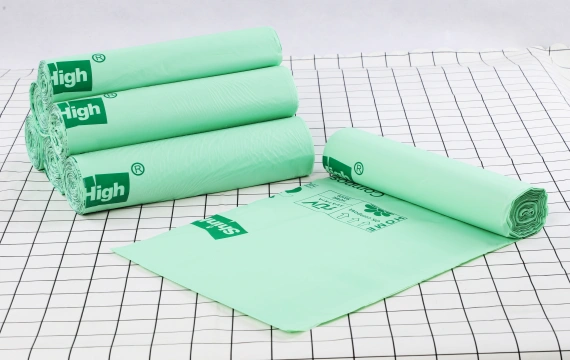
Traditional PE, PVC, and PVDC films are not biodegradable. However, compostable plastic wrap, typically made from plant-based materials like PLA (polylactic acid), is designed to break down in commercial composting facilities under specific conditions of heat and moisture. It is a step forward, but its environmental benefit is entirely dependent on proper disposal infrastructure.
5. Pro Tips & Creative Uses
- Covering a half watermelon or an onion? Wrap the paper towel around the fruit’s skin near the cut face before applying the film to create a superior seal.
- Traveling with liquids? Use the trick on a dressing bottle or sauce container to prevent in-bag leaks.
- Covering rising dough? The perfect seal creates an ideal, draft-free environment for fermentation.

6. Safety First & The Eco-Conscious Choice
Critical Safety Warning: Microwave Use
Regardless of the film or seal, ALWAYS vent your plastic wrap in the microwave. Poke several holes with a fork or toothpick to allow steam to escape. Failure to do so can cause a dangerous buildup of pressure, resulting in the film bursting or the container lifting and creating a mess.
- Reduce: Use the paper towel trick to get a perfect seal every time, minimizing waste from failed attempts.
- Reuse: Invest in silicone lids or beeswax wraps for everyday use.
- Recycle/Compost: Check local guidelines for PE film recycling. Only compost certified compostable wrap in the appropriate facility.
7. Your Cling Film Questions, Answered
Q: What is the best cling film for meal prep?
A: A high-quality PE wrap, combined with the paper towel trick, is an excellent, safe, and effective choice for most meal-prepping needs.
Q: Can I use this trick with press-and-seal wrap?
A: Absolutely! The paper towel will provide an even stronger grip and can enhance the seal of any film, including press-and-seal varieties.
Q: How do I stop my cling film from sticking to itself?
A: Chill the roll in the refrigerator for 30 minutes before use. The cold makes the film less tacky and easier to handle.
Master Your Kitchen, Responsibly
The simplest solutions are often the best. A common paper towel can transform a basic roll of plastic cling film into a powerful kitchen tool, solving an everyday frustration with a bit of cleverness. More importantly, by understanding everything from traditional options to compostable cling film, you’re equipped not just to be a smarter user but a more responsible consumer.
Did you try the paper towel trick? What was your result? Do you have any other plastic wrap hacks to share? Or have you tried a compostable wrap? Share your experiences and questions —we love hearing from you