




The Hidden Environmental Impact of Pet Waste
As responsible dog owners, we all share the daily ritual of cleaning up after our pets. While scooping the poop is a non-negotiable part of pet ownership, the common practice of bagging it in plastic and sending it to the landfill creates a significant, often overlooked, environmental issue. When left on the ground, dog waste is washed into storm drains by rain, polluting local waterways with harmful bacteria and excess nutrients. When entombed in plastic bags within landfills, it decomposes anaerobically, releasing methane—a potent greenhouse gas.
The good news is that several eco-friendly dog poop disposal methods offer a sustainable alternative. This guide explores seven practical eco-friendly dog poop disposal methods, from simple swaps for urban renters to advanced backyard systems for homeowners. By adopting even one of these sustainable pet waste solutions, you can transform a routine chore into a positive action for the planet.
Understanding the Core Principles of Sustainable Disposal
Before exploring the specific methods, it’s essential to understand the two fundamental goals that define truly environmentally safe dog waste disposal.
1. Pathogen Elimination:
A key misconception is that dog waste is a natural fertilizer. Unlike the manure of herbivores like cows, dog feces can contain pathogens harmful to humans, including E. coli, Salmonella, and parasites like roundworms. Therefore, any eco-friendly dog poop solution must prioritize destroying these pathogens to ensure safety. This is typically achieved through high-temperature composting, microbial digestion, or processing in municipal water treatment facilities.
2. Resource Recovery:
The most sustainable approaches move beyond mere disposal to valorization. Instead of treating dog poop as trash, methods like composting dog waste at home or using a dog waste digester aim to recycle the nutrients. These processes transform the waste into a safe, soil-enriching amendment, closing the nutrient loop in your own backyard and reducing the burden on landfills.
Critical Safety Warning for Home Composting:
The finished product from any composting or digestion method must never be used on edible plants, vegetable gardens, or fruit trees. This compost is perfectly safe and beneficial for use on lawns, flower beds, and around ornamental shrubs, making it an excellent natural fertilizer for non-edible plants.

The Quick Decision Matrix: Find Your Best Fit
Feeling overwhelmed? This simple flowchart is designed to cut through the noise and point you directly to the most suitable method for your lifestyle. Answer the questions below to find your path.
-
Yes → Proceed to Question 2.
-
No (I live in an apartment) → Your best options are:
-
Flushing it down the toilet (if local regulations allow and you can collect waste without a bag).
-
Using certified compostable bags and disposing of them in the appropriate municipal waste stream.
-
Vermicomposting (worm farming) with a small, dedicated indoor/balcony bin.
-
-
Yes, I’m comfortable with some upkeep → Excellent. Consider these active systems:
-
Installing a dog waste digester (like a DIY or commercial in-ground septic system).
-
Setting up a dedicated compost bin or pit for dog waste.
-
Bokashi bucket composting (an anaerobic fermentation process).
-
-
No, I prefer a low-maintenance solution → A practical choice. Your options are:
-
Burying waste in a dedicated pit (a simple “dig and cover” method).
-
Use certified compostable bags and place them in the trash as a last resort.
-
This matrix simplifies the initial choice. Now, let’s delve into the details of each method to empower you with the knowledge to implement it successfully and safely.
For Urban Dwellers: Apartment-Friendly Solutions
A. Flushing: The Direct Path to the Treatment Plant
-
How to do it right: Use a dedicated, easy-to-clean container (like a small pooper-scooper or a “poop-only” dustpan) to collect the waste. Crucially, do not use any bags—even those labeled “flushable.” These bags can cause severe plumbing blockages. Dump the waste directly into the toilet, flush, and clean the container thoroughly.
-
Pros: Effectively processed by municipal systems; no plastic waste.
-
Cons: Can be messy; impractical for large dogs or during walks far from home; check if your local sewage system has any specific restrictions.
B. Certified Compostable Bags: The Responsible “Bag-and-Bin”
-
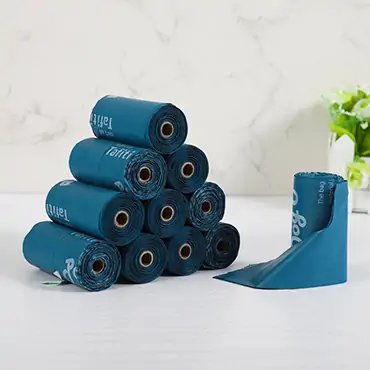
Look for Trusted Certifications: Not all “biodegradable” bags are created equal. Seek out bags certified to standards like ASTM D6400 or EN 13432 (indicating they will break down in an industrial composting facility). In China, look for the Compostable label and relevant GB standards.
-
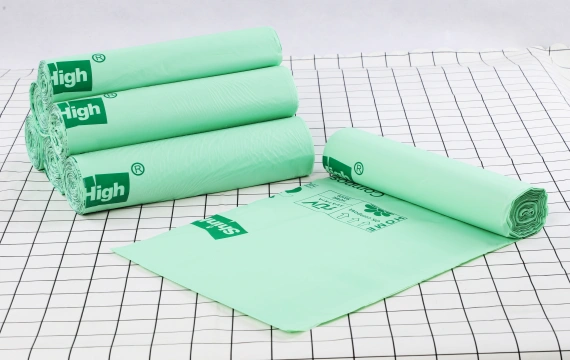
Disposal Reality Check: Unfortunately, most municipal composting programs do not accept pet waste due to pathogen concerns. Therefore, these bags often end up in landfills. However, they are still a better alternative to conventional plastic because they are made from plant-based materials and will not create microplastics.
-
Pros: Highly convenient; reduces plastic pollution.
-
Cons: Still likely to go to a landfill; requires consumer diligence to find truly compostable products.
For Suburban Homes: Backyard Solutions
A. The Dog Waste Digester (e.g., Doggie Dooley)
-
How it Works: You bury a sealed container with perforated sides into the ground. After adding waste, you add water and a digester enzyme powder periodically to accelerate the breakdown process.
-
User Experience Note (Addressing the “It Broke” Issue): These systems can fail if not maintained. Common reasons include:
-
Insufficient Enzymes: Failing to add enzymes regularly hinders decomposition.
-
Dry Conditions: The system needs moisture to work; in dry climates, adding water is essential.
-
Overfilling or Non-Biodegradable Items: Putting in too much waste or items like plastic bags will clog the system.
-
-
Pros: Neat and contained; waste decomposes on-site.
-
Cons: Requires periodic maintenance and purchase of enzymes; may not work efficiently in cold climates.
B. Dedicated Pit Composting (The “Dig and Bury” Method)
-
Step-by-Step:
-
Choose a Location: Select a sunny, out-of-the-way spot far from vegetable gardens, water sources, and property lines.
-
Dig a Pit: Dig a hole at least 1-2 feet deep.
-
Dispose and Cover: Deposit the waste into the pit and immediately cover it with a layer of soil, leaves, or sawdust. This “cover” is critical to suppress odors and flies.
-
Water and Microbes: To accelerate decomposition, you can occasionally water the pit and add a booster like EM (Effective Microorganisms) solution, which introduces beneficial bacteria.
-
Rotate: Once a pit is full, mark it, let it decompose for 6-12 months, and start a new one nearby.
-
-
Safety First: The resulting compost should only be used on non-edible ornamental plants, shrubs, or trees.
-
Pros: Extremely low cost and low maintenance; effectively contains waste.
-
Cons: Requires space; not suitable for all soil types; must be managed carefully to avoid contamination.
For the Eco-Innovator: Worm Farming (Vermicomposting)
-
How it Works: You set up a dedicated, well-ventilated bin with a bedding of shredded newspaper, cardboard, and leaves. Introduce the worms, and then periodically add dog waste. The worms will eat the waste, breaking it down rapidly.
-
Critical Safety Rules :
-
Dedicated Bin Only: Never mix dog waste into a worm bin used for processing kitchen scraps. Pathogens harmful to humans could be present.
-
Location Matters: Place the bin away from edible plants and water sources.
-
Balance the Diet: Worms need a balanced “diet.” Add plenty of carbon-rich “browns” (shredded cardboard, dry leaves) along with the nitrogen-rich dog waste “greens” to prevent odors and keep the worms healthy.
-
Pause After Deworming: If your dog has been treated for worms, do not add their waste to the bin for at least two weeks.
-
-
Pros: Can be done on a balcony or small patio; produces high-quality fertilizer for non-edible plants; very fast decomposition.
-
Cons: Requires more initial setup and learning; needs careful management to avoid killing the worms; not suitable for waste from sick dogs.
Real Talk: Q&A from Dog Owners
Here, we address the common questions and concerns raised by dog owners who have tried various methods.
-
A: This is a common experience. The system likely failed due to one of these reasons:
-
Lack of Enzymes/Bacteria: These digesters are not passive; they require regular addition of digester enzymes to maintain the microbial activity that breaks down the waste. If you stop adding them, the system simply becomes a sealed pit that fills up.
-
Dry Conditions: The decomposition process requires moisture. In dry weather, adding a bucket of water to the system weekly can be necessary.
-
Cold Weather: Microbial activity slows down significantly in cold temperatures, pausing the digestion process.
-
Solution: If you dislike buying additives, skip the digester and opt for the lower-maintenance DIY Pit Composting method outlined above, which leverages native soil biology.
-
-
A: This is a valid point about convenience. Let’s break down the “safety” aspect:
-
For Public Health: When waste is sent to a modern, lined landfill, it is indeed contained, which prevents immediate water contamination. This is safer than indiscriminately dumping poop in the woods.
-
For the Environment: The core problem is the plastic bag itself, which will persist for centuries. If you must use this method, switching to a certified compostable bag is a significant improvement. While it may not break down perfectly in an anaerobic landfill, it is still a better choice than conventional plastic.
-
The Verdict: This method is a “lesser evil” but not the best environmental choice. We encourage you to consider one of the methods that process the waste locally, like pit composting or flushing.
-
-
A: This is a contentious issue. Simple, shallow burial is not the same as the controlled “Pit Composting” method we described. The problems with casual burial are:
-
Pathogen Spread: Rain can easily wash pathogens from shallowly buried waste through the soil into groundwater or nearby streams.
-
Pests: It can attract digging pests like rats and raccoons.
-
Odor and Slow Decomposition: Without the proper carbon-to-nitrogen balance (adding “browns” like leaves) and microbial management, it will decompose very slowly and may smell.
- The Right Way: Follow the controlled pit method: dig >12 inches deep, deposit, and immediately cover with a thick layer of soil, sawdust, or dry leaves (the “browns”). This manages odor and accelerates aerobic breakdown.
- Safety First: Restrict the use of the resulting soil to non-edible ornamental plants only.
-
Conclusion: Your Next Step Towards a Greener Routine
There is no single “perfect” way to dispose of dog poop that fits every situation. The best method is the one that you will consistently use and that aligns with your living environment.
-
For the Apartment Dweller: Start by flushing when possible or switching to certified compostable bags.
-
For the Homeowner with a Yard: Consider the low-tech reliability of dedicated pit composting or the contained convenience of a digester (if you commit to maintenance).
-
For the Gardening Enthusiast: Explore vermicomposting to turn waste into a valuable resource.
The goal is progress, not perfection.