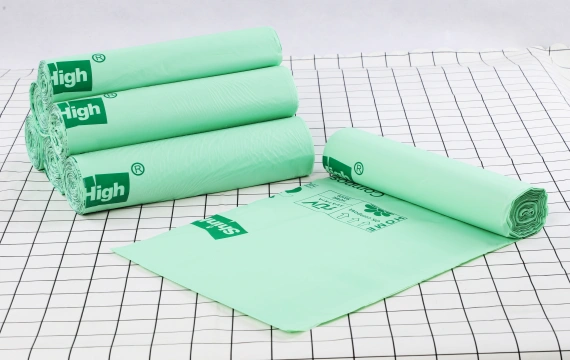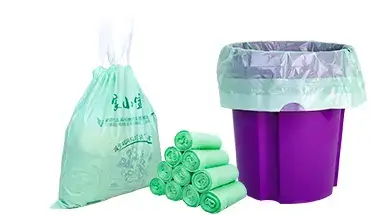




A plastic bag is made through blown film extrusion: polyethylene pellets are melted at 180–230 °C, blown into a thin film tube, cooled, flattened, printed, then cut and heat-sealed into individual bags. The process is highly automated, allowing manufacturers to produce millions of standardized bags per day.
But how does a handful of plastic pellets become the sturdy, lightweight carrier bag you use every day? Below is the complete, factory-level breakdown.
What Raw Materials Go Into a Plastic Bag?
- HDPE (High-Density Polyethylene): Crinkly, thin, high tensile strength. Used for grocery “t-shirt” bags and trash liners.
- LDPE (Low-Density Polyethylene): Soft, smooth, flexible, high clarity. Used for boutique shopping bags and garment bags.
- LLDPE (Linear Low-Density Polyethylene): Added for heavy-duty applications needing higher puncture resistance.
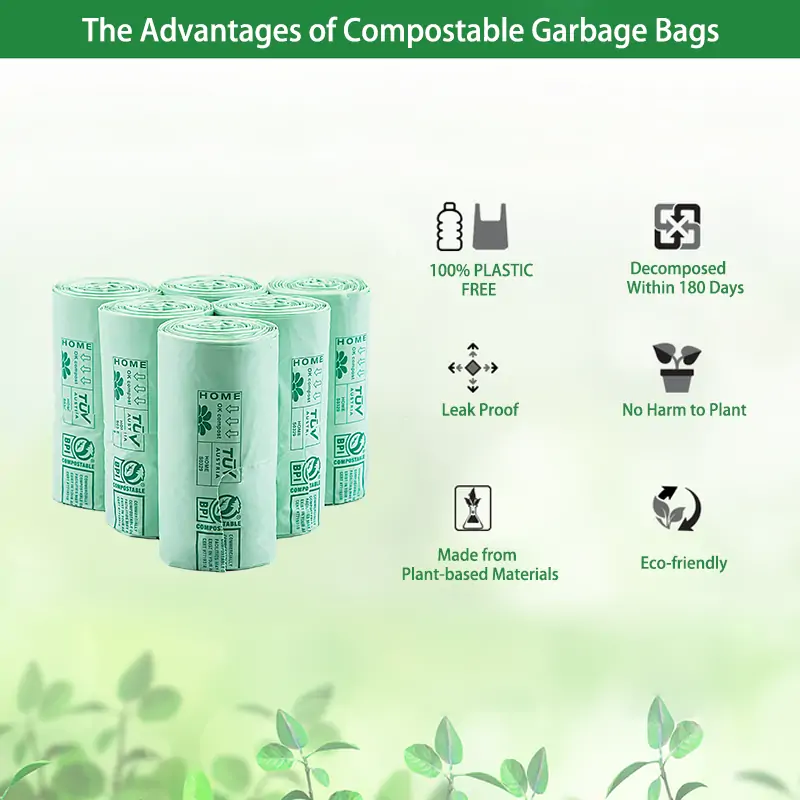
Step 1: Material Preparation & Mixing
Step 2: Extrusion & Blown Film — The Core Step
|
Sub-step
|
What Happens
|
Key Parameters
|
|---|---|---|
|
Melting
|
Pellets fed into a hopper, pushed into an extruder, heated and melted
|
180–230 °C (≈350–500 °F)
|
|
Extrusion
|
Molten plastic forced through a circular die forming a thin tube
|
Die gap + roller speed control thickness
|
|
Blowing
|
Air injected into the tube’s center, inflating it like a balloon
|
Air volume sets film width & microns
|
|
Cooling
|
Cooling ring blows cold air around the bubble, solidifying the film
|
Determines crystalline structure
|
Step 3: Winding & Corona Treatment
After cooling, the plastic bubble passes through a series of nip rollers that collapse the round tube into a double-layered flat film. It is then wound into large master rolls.
If the bag requires printing, the film surface undergoes Corona Treatment — a high-voltage discharge process that increases surface tension so printing ink adheres firmly.
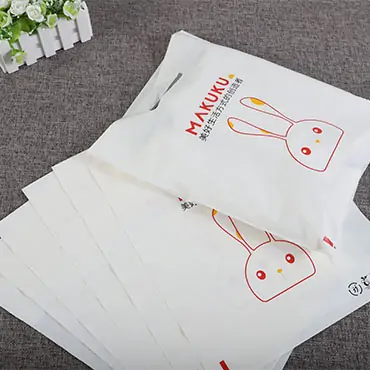
Step 4: Printing
- Flexographic printing: Uses flexible relief plates. Favored for high-volume orders.
- Rotogravure: Uses engraved cylinders for superior precision and vibrant colors.
Step 5: Cutting, Sealing & Handle Punching
- Measuring & cutting: The film is cut to the desired bag length.
- Heat sealing: A heated bar seals the bottom, welding the two plastic layers together.
- Handle punching: For T-shirt bags, a hydraulic press punches out the handle shape.
- Perforation (optional): For roll-type bags like trash liners, the machine perforates between units for easy tear-off.
Step 6: Quality Control & Packaging
Reputable manufacturers run tensile strength tests, seal durability checks, load capacity verification, and thickness measurement. For food-grade or medical applications, additional compliance testing is required.
Finished bags are counted, bundled (often in stacks of 50 or 100), boxed, labeled with specifications, palletized, and shipped to distributors.
Why This Process Matters: The 2026 Plastic Pollution Context
- An estimated 52.1 million tonnes of plastic waste enter the ocean every year
- Approximately 24.4 trillion microplastic particles exist in the upper ocean layers
- Over 4,000 marine species are affected by plastic
⚠️ Sea level rise has accelerated from under 2 mm/year before 2015 to 4.3 mm/year in 2023, intensifying the urgency (United Nations, Jun 8, 2026).

Quick Summary: The 7-Stage Plastic Bag Production Line
- Material selection — HDPE, LDPE, or LLDPE pellets + additives
- Extrusion — Melt at 180–230 °C, force through circular die
- Blown film & cooling — Air inflates the molten tube; cooling rings solidify it
- Winding — Flatten into double-layered film, wind into master rolls
- Printing — Flexographic or rotogravure for branding
- Cutting & sealing — Heat-seal bottom, cut to size, punch handles
- QC & packaging — Test, bundle, box, ship
Frequently Asked Questions
Who invented the modern plastic shopping bag?
Swedish engineer Sten Gustaf Thulin invented the one-piece polyethylene shopping bag for Celloplast and patented it globally in 1965. By the early 1980s, major supermarket chains worldwide had switched from paper to plastic bags.
What temperature is plastic melted at during bag production?
Polyethylene pellets are typically melted at 180–230 °C (≈350–500 °F) inside the extruder.
How many plastic bags are used in the United States each year?
Key Takeaways for Your Readers
The next time you pick up a plastic bag, remember: that thin, crinkly, seemingly simple carrier is the product of precision temperature control, high-speed automation, and a multi-stage industrial process that transforms petroleum-derived pellets into a functional, lightweight, and astonishingly cheap container. It’s also a product whose convenience carries a steep environmental price — 52.1 million tonnes of plastic enter our oceans every year as of 2026.
Understanding the production process is the first step toward demanding better: recycled content, biodegradable resins, and genuine circularity in the plastic economy.