



As environmental awareness grows, more shoppers are turning to compostable produce bags as a greener alternative to traditional plastic bags at grocery stores and farmers’ markets. But are they truly eco-friendly? How do they work, and what should you watch out for? This guide covers everything you need to know.
What Are Compostable Produce Bags?
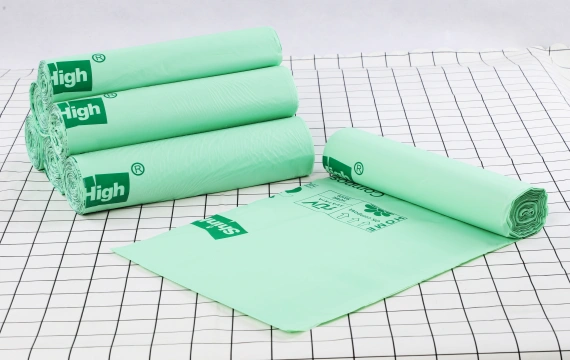
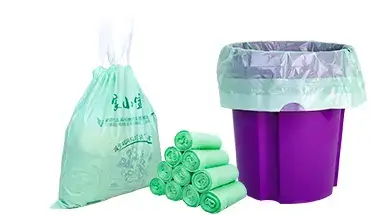
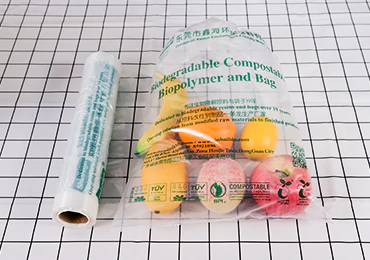
Compostable produce bags are designed to hold fruits and vegetables while being able to break down into organic matter under specific conditions. They are typically made from plant-based materials such as cornstarch, potato starch, or PLA (polylactic acid). Unlike conventional plastic, these bags decompose into carbon dioxide, water, and biomass within 90–180 days in an industrial composting facility, leaving no toxic residues.
Compostable vs. Plastic vs. Biodegradable Bags
Many consumers confuse these terms. Here’s a quick comparison:
|
Type
|
Material
|
Decomposition Conditions
|
Time to Degrade
|
Environmental Impact
|
|---|---|---|---|---|
|
Conventional Plastic
|
Polyethylene (petroleum)
|
Rarely in nature
|
Hundreds of years
|
Severe white pollution
|
|
Biodegradable Plastic
|
Plastic with additives
|
Requires light, oxygen, and heat
|
Months to years
|
May leave microplastics
|
|
Compostable Produce Bag
|
Plant starch, PLA
|
Industrial compost (58°C+, humidity, microbes)
|
90–180 days
|
Turns into nutrient-rich fertilizer
|
Important: “Biodegradable” does not equal “compostable.” Only certified products (e.g., OK Compost, BPI, TÜV Austria) meet true compostability standards.
Benefits of Compostable Produce Bags
-
Reduces fossil fuel dependence – Made from renewable resources instead of petroleum.
-
Supports circular economy – Returns nutrients to soil through composting.
-
Protects marine life – Breaks down faster if accidentally littered, reducing entanglement risks.
-
Boosts brand image – Retailers using compostable packaging appeal to eco-conscious customers.
Important Usage Tips
1. Do Not Throw in Nature
These bags require industrial composting facilities with high heat and humidity. Discarding them in regular trash or outdoors slows decomposition dramatically.
2. Avoid Long-Term Storage of Wet Items
PLA materials soften when exposed to moisture. Use for dry produce like apples, oranges, potatoes, and onions. Avoid leafy greens, mushrooms, or other high-moisture items.
3. Look for Certifications
Always check for recognized labels:
-
BPI (USA)
-
OK Compost (Europe)
-
TÜV Austria OK Compost HOME (for home composting)
Without certification, the bag may be a “greenwashing” product.
4. Keep Out of Plastic Recycling
Compostable bags must go to separate compost streams. Mixing them with regular plastics contaminates recycling.
How to Properly Dispose of Compostable Produce Bags
Follow these steps:
-
Shake off any food residue.
-
Place in designated compost or food waste bin (where available).
-
Send to an industrial composting facility.
-
The final compost can be used as fertilizer.
If your city lacks industrial composting infrastructure, consider reusing the bags multiple times before discarding them as general waste.
Common Myths & Answers
Q: Can I put these bags in my home compost bin?
Most require industrial conditions. Only those labeled OK Compost HOME are suitable for backyard composting.
Q: Are they more expensive?
Yes, currently 2–3 times the cost of plastic bags, but prices are dropping with scale.
Q: Can I microwave them?
No. PLA has low heat resistance; it may deform or release substances.
Q: Can they hold meat or dairy?
Not recommended. Oils and proteins can degrade the material prematurely.
Conclusion & Recommendations
Compostable produce bags are a promising step toward reducing plastic pollution, but their effectiveness depends on proper disposal infrastructure and consumer awareness.
For individuals:
-
✅ Choose certified compostable bags
-
✅ Use only as needed
-
✅ Learn local waste sorting rules
For businesses:
-
✅ Source from verified suppliers
-
✅ Label disposal instructions clearly
-
✅ Educate customers
As composting facilities expand and technology improves, these bags will become even more practical. For now, informed use is the key to making a real difference.