



For decades, the clear poly bag (LDPE or HDPE) has been the default for retail and e-commerce. It’s cheap, waterproof, and protects products from dust. However, as consumers demand plastic-free options and regulations tighten, brands are searching for sustainable alternatives to clear poly bags that don’t compromise on presentation or protection.
This guide compares the best eco-friendly replacements—from paper-based solutions to advanced bioplastics—to help you choose the right packaging for your products.

Clear Poly Bag Alternatives: Quick Comparison
|
Alternative
|
Material
|
Clarity
|
End-of-Life
|
Best For
|
|---|---|---|---|---|
|
Glassine Bags
|
FSC Certified Paper
|
Semi-Translucent
|
Curbside Recycle / Home Compost
|
Apparel, stationery, greeting cards
|
|
Cellulose Film
|
Regenerated Cellulose
|
High Clarity
|
Industrial / Home Compost
|
Premium retail, food, gifts
|
|
PLA + PBAT Blend
|
Clear
|
Industrial Compost
|
Brands needing automation/transparency
|
|
|
Recycled rLDPE/rPET
|
Post-Consumer Resin
|
Clear/Opaque
|
Store Drop-Off Recycling
|
Large-scale ops transitioning away from virgin plastic
|
|
Tissue + Kraft Sleeve
|
Recycled Paper
|
Opaque
|
Curbside Recycle
|
Jewelry, folded tees, low-dust items
|
|
No Inner Bag
|
N/A
|
N/A
|
N/A
|
Products already in rigid boxes
|
Paper-Based Alternatives (The Plastic-Free Choice)
1. Glassine Bags (The Best Overall Replacement)
Glassine is a smooth, dense, translucent paper made from wood pulp. It is pressure-treated to be air, water, and grease-resistant without coatings.
-
Pros: 100% plastic-free, curbside recyclable, home compostable, and FSC-certified. It offers a premium, tactile feel.
-
Cons: Not fully transparent (you can see the shape but not fine details), not waterproof, and less puncture-resistant than plastic.
-
Best For: T-shirts, socks, greeting cards, and art prints. It protects against dust while offering a sustainable unboxing experience.
2. Tissue Paper Wrap + Kraft Sleeve
Sometimes the simplest solution is the best. Instead of a bag, wrap the item in acid-free tissue paper and secure it with a branded kraft sleeve or compostable sticker.
-
Pros: Extremely low cost, zero plastic, and creates a high-end “unboxing” ritual.
-
Cons: Offers no structural protection or visibility of the product inside. It requires manual labor to wrap.
-
Best For: Folded garments, jewelry, and products that ship inside a larger mailer or box.
 Bio-Based Transparent Alternatives (Keeping the Clarity)
Sometimes, you simply need a clear bag. Here are the eco-conscious options:
3. Cellulose Film / Cellophane Bags
True cellophane is not plastic; it is a thin, transparent film made from regenerated cellulose (wood pulp). Modern versions are often coated with a nitrocellulose lacquer to improve moisture resistance.
-
Pros: High clarity (looks just like plastic), heat-sealable, and certified compostable in both industrial and home settings (if certified).
-
Cons: More expensive than poly bags, sensitive to humidity (can soften in high moisture), and requires access to composting facilities.
-
Best For: Premium confectionery, baked goods, luxury apparel, and gift sets where transparency is essential.
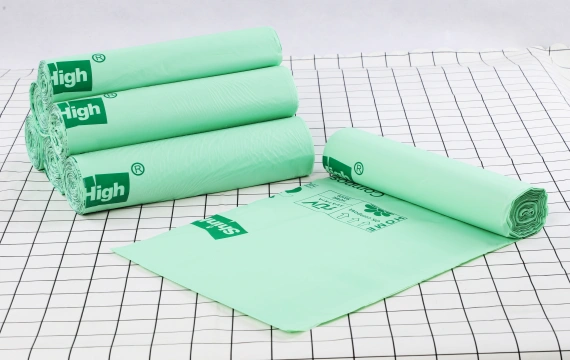
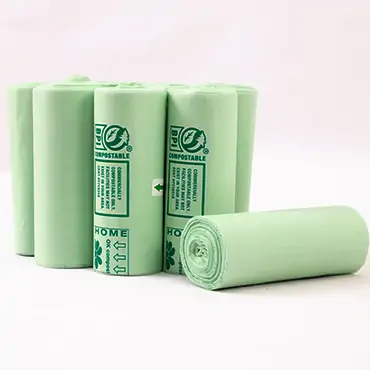
4. Compostable Bioplastic Bags (PLA/PBAT)
These are often marketed as “compostable poly bags.” They are made from corn starch (PLA) and other bio-based polymers (PBAT). They look and feel almost identical to traditional LDPE bags.
-
Pros: Maintains high transparency, works with existing automated packing machinery, and is certified industrially compostable (ASTM D6400 / EN 13432).
-
Cons: Must be sent to an industrial composting facility. They will not break down in a landfill or home compost pile quickly. They cannot be recycled with traditional plastics.
-
Best For: Brands transitioning away from plastic but whose fulfillment centers require clear bags for barcode scanning.
.webp)
Reduced-Plastic but Recyclable (The Transition Phase)
5. Recycled rLDPE or rPET Bags
If you are not ready to go plastic-free, switch to bags made from Post-Consumer Recycled (PCR) content. These are typically made from recycled milk jugs (rLDPE) or plastic bottles (rPET).
-
Pros: Reduces the demand for virgin petroleum, uses less energy to produce, and can be recycled at the same store drop-off locations as virgin plastic bags.
-
Cons: Still plastic, still contributes to microplastic pollution if littered.
-
Best For: Heavy-duty applications (e.g., shipping mailers) where paper alternatives lack the necessary strength.
When You Can Skip the Inner Bag Entirely
-
If your product ships in a rigid cardboard box, the box itself is sufficient protection.
-
If your product is already shrink-wrapped or in a clamshell, an extra poly bag is redundant waste.
How to Choose: A Decision Framework
Ask yourself these three questions to find your match:
-
Must it be transparent?
-
Yes: Choose Cellulose Film (premium) or Compostable Bio-Bags (standard).
-
No: Choose Glassine Bags or Tissue/Kraft.
-
-
Is the product heavy, sharp, or wet?
-
Yes: You may need Compostable Bio-Bags or stick with Recycled Plastic until a stronger paper solution is found.
-
No: Glassine is likely sufficient.
-
-
Does my fulfillment center require clear bags for barcode scanning?
-
Yes: Negotiate using Cellulose (scannable) or switch to Compostable Bio-Bags.
-
No: Switch to Glassine immediately.
-
 FAQs
FAQs
Q: Is glassine really recyclable?
A: Yes. Since glassine is just dense paper, it can go directly into your standard curbside mixed paper recycling bin. Make sure it has no plastic lining.
Q: Will compostable bags break down in a landfill?
A: No. Landfills are designed to entomb waste without oxygen (anaerobic). Compostable bags require oxygen and microbial activity to break down, which is only found in composting facilities or home compost piles.
Q: Can barcode scanners read through glassine bags?
A: Yes. Most modern laser and imaging scanners can easily read barcodes through semi-translucent glassine, just as they can through frosted plastic.
Q: Are “Oxo-degradable” bags a good alternative?
Conclusion
Finding an alternative to clear poly bags doesn’t have to be complicated.
For most brands, Glassine Bags offer the best balance of sustainability, cost, and aesthetics for apparel and soft goods. If you absolutely need transparency, Cellulose Film is the gold standard for premium packaging. Reserve Compostable Bio-Bags for situations where automation demands a clear plastic-like film.
By making the switch, you reduce your environmental footprint and meet the growing consumer demand for plastic-free packaging.