



In today’s competitive agribusiness landscape, the choice of packaging is no longer just about containment—it’s a critical factor in preserving quality, reducing waste, and enhancing brand value. For B2B buyers such as farm cooperatives, distributors, and retailers, selecting the right agricultural produce bag can directly impact profitability and sustainability goals.
1. Extended Shelf Life Through Advanced Materials
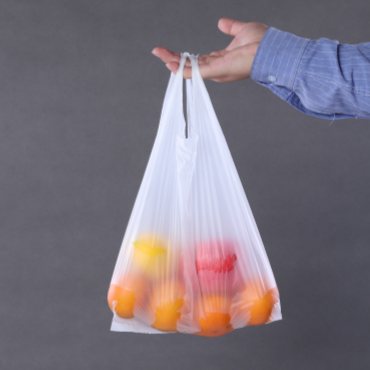
Modern produce bags are engineered with micro-perforations or modified atmosphere technology. These features regulate oxygen and carbon dioxide exchange, slowing down ripening and spoilage. For businesses handling leafy greens, berries, or stone fruits, this means fewer losses during transit and storage. High-barrier films also protect against moisture loss and contamination, ensuring that products arrive fresh at retail shelves.
2. Customization for Brand Differentiation
B2B clients increasingly demand customized printing and sizing. Produce bags can be tailored with company logos, barcodes, QR codes, and even traceability data. This not only strengthens brand recognition but also streamlines inventory management. Custom ventilation patterns allow specific airflow for different crop types—from breathable mesh for potatoes to sealed liners for delicate herbs.
3. Sustainability as a Business Driver
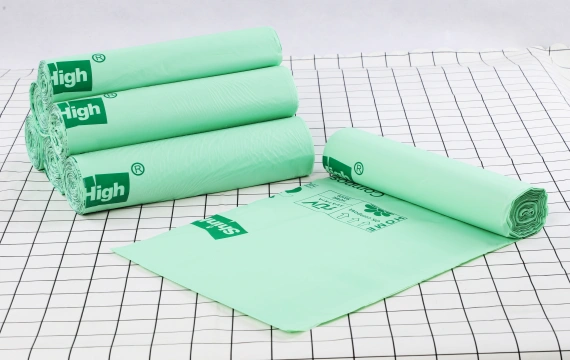
With global regulations tightening around single-use plastics, eco-friendly options are now a market necessity. Biodegradable bags made from cornstarch, compostable PLA, or recycled PE offer the same durability without long-term environmental harm. For wholesalers targeting eco-conscious retailers, switching to certified compostable bags can unlock premium shelf space and meet ESG compliance requirements.
4. Cost Efficiency in Bulk Logistics
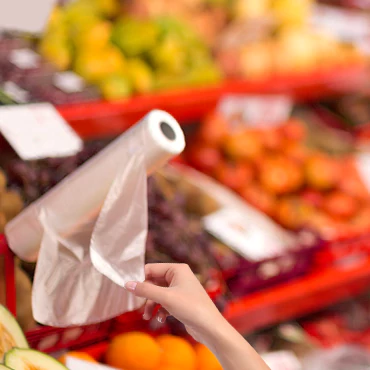
Heavy-duty woven polypropylene bags (often used for grains, onions, or potatoes) reduce per-unit packaging costs while supporting palletized shipping. Their tear-resistant design minimizes breakage during loading and unloading. Additionally, lightweight vacuum-sealed bags for frozen produce lower shipping volume, cutting freight expenses by up to 30%.
5. Compliance with Global Standards
For exporters, adherence to international phytosanitary standards is non-negotiable. Many modern produce bags are treated to prevent mold growth and pest infestation. UV-stabilized options also protect crops during open-air transport. Certifications like FDA, EU food-contact approval, or BRCGS ensure smooth customs clearance and buyer confidence.
Conclusion: A Smart Investment
From field to fork, agricultural produce bags are more than a packaging solution—they are a strategic asset. Whether you prioritize freshness, branding, sustainability, or logistics efficiency, investing in high-quality, purpose-built bags pays dividends across the entire supply chain.
For bulk orders, sample testing, or custom specifications, contact our team to discuss how we can optimize your produce packaging strategy.