



Are you tired of feeling awkward and uncertain about sanitary product disposal in public restrooms? Or perhaps you’re concerned about maintaining hygiene in your own home? Proper disposal of menstrual products and other feminine hygiene items is a vital, yet often overlooked, aspect of personal and public health. Hygiene concerns, controlling unpleasant odors, and preventing the spread of germs are all valid reasons to seek a better solution.
Thankfully, there’s a simple and effective answer: the sanitary bag. This blog post will explore why using a sanitary bag, also known as a feminine hygiene disposal bag or menstrual disposal bag, is absolutely crucial for cleanliness and promoting better health for everyone.
Why Use Sanitary Bags? Key Benefits for Odor Control & Hygiene
Sanitary bags offer a multi-faceted approach to hygiene and well-being. They aren’t just about convenience; they play a critical role in creating a cleaner and healthier environment for individuals and communities alike.
Odor Control: Let’s face it – discarded sanitary products can emit unpleasant odors. Sanitary bags are designed to effectively contain these smells, making disposal a much more discreet and pleasant experience, both for the individual and those sharing the space. This is particularly important in shared restrooms or confined spaces.
Preventing Direct Exposure: Sanitary bags create a much-needed barrier, preventing direct contact with used sanitary products. This is more than just a matter of aesthetics; it’s about minimizing the spread of germs and potential contaminants.
Reducing Cross-Infection Risk: This is arguably the most critical benefit. Blood can contain dangerous pathogens, including the Hepatitis B virus and even HIV. Tragically, some carriers are unaware of their status. After all, blood can contain the Hepatitis B virus or even HIV, which the carriers themselves may not be aware of. Using a sanitary bag creates a barrier to prevent the spread of germs. By using sanitary bags, we significantly reduce the risk of cross-contamination and potential exposure to these serious health threats, protecting cleaning staff and other users of the facilities. The advantages of hygienic disposal, odor control, and reduction of cross-contamination highlight the immense sanitary bag benefits.
Sanitary Bag Types: Why Biodegradable is Better Than Paper or Plastic
When it comes to sanitary product disposal, you might be tempted to use readily available alternatives like paper sanitary bags. However, these options fall short when compared to purpose-made sanitary bags.
While seemingly eco-friendly, paper bags are not designed for this purpose. The use of paper bags may also be unhygienic, as they cannot hold liquids and instead absorb them. They are not leak-proof, offer minimal odor control, and don’t provide a strong barrier against germs. Liquids can seep through, creating a messy and potentially unsanitary situation.
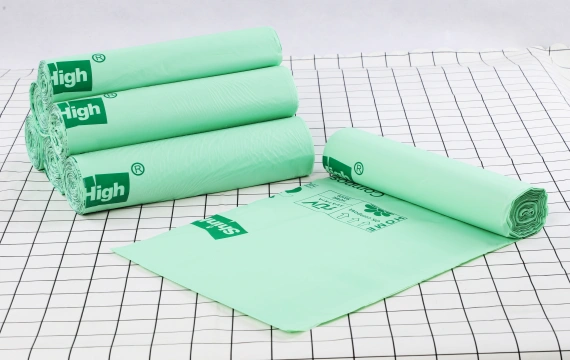
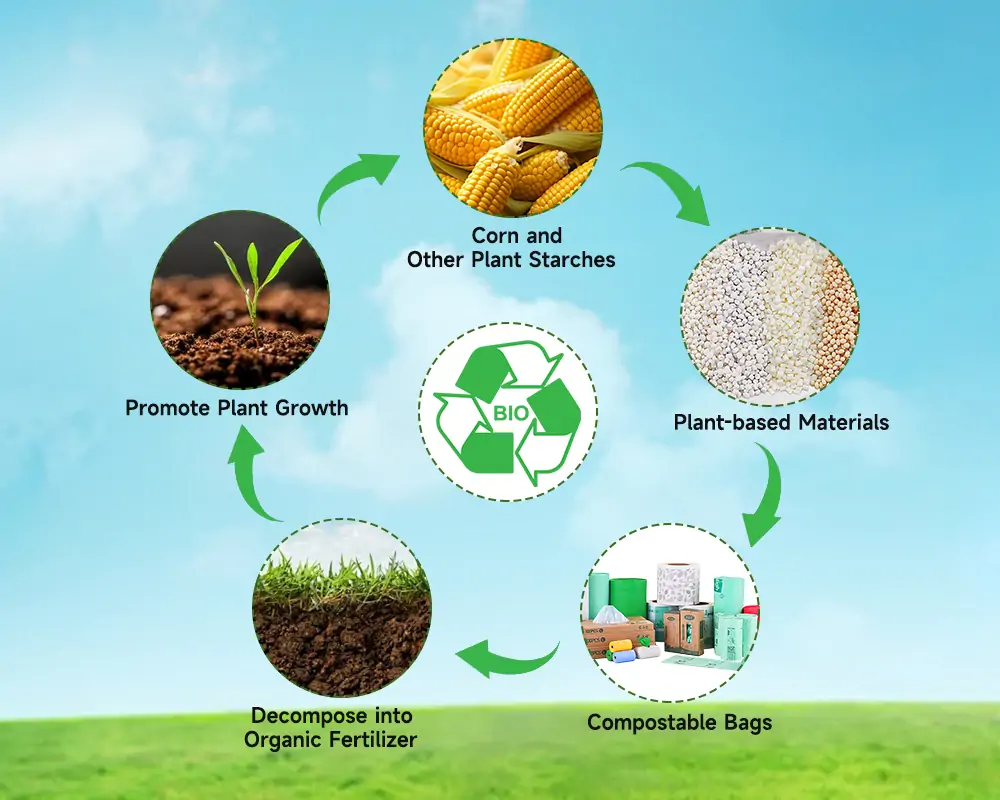
The Problem of Plastic Pollution: While traditional plastic bags might seem like a cheap and readily available option, they come with a high long-term cost to the environment and, increasingly, to your business’s sustainability profile. These petroleum-based plastics do not break down, contributing permanently to landfill waste and ocean plastic pollution. This is where the superior choice of certified biodegradable sanitary bags becomes clear. Unlike conventional plastic, our biodegradable bags are designed to break down completely in industrial composting facilities, turning into water, CO₂, and organic matter within months—not centuries. This allows businesses to maintain essential hygiene without compromising their environmental responsibilities, making them the definitive modern solution.
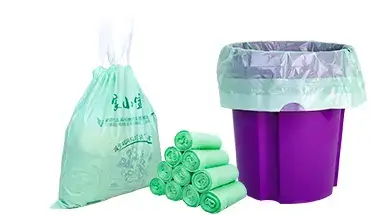
The Advantages of Biodegradable Sanitary Bags: Sanitary bags, on the other hand, are specifically designed for safe and hygienic disposal. These leak-proof bags are typically opaque for discretion, odor-resistant, and made from durable materials. Their easy-to-use design ensures that the contents are securely contained, minimizing the risk of leaks and odors. The right sanitary disposal methods should not involve petroleum-based plastic products or using ineffective paper bag disposal.
Who Needs Sanitary Bags? Essential for Businesses & Public Facilities
Sanitary bags aren’t just a convenience; they’re a necessity for a wide range of individuals and organizations.
Women: Providing accessible feminine hygiene products and disposal options demonstrates consideration and respect. For women, sanitary bags offer a convenient and discreet solution for managing menstrual hygiene in public restrooms, workplaces, and at home. They provide peace of mind and a greater sense of comfort.
Businesses & Public Facilities: Providing sanitary bags shows commitment to safety and health. By offering biodegradable sanitary bags in restrooms, businesses and public facilities demonstrate a strong commitment to workplace hygiene and the well-being of their employees, customers, and visitors. It significantly contributes to maintaining clean and sanitary environments in public restrooms, improving overall customer satisfaction.
Healthcare Facilities: In healthcare waste management, where infection control is paramount, sanitary bags are an essential tool for safely disposing of contaminated materials and minimizing the risk of cross-infection.
What to Look for When Buying Biodegradable Sanitary Bags
Choosing the right sanitary bag is essential to ensure optimal hygiene and convenience. Here are key factors to consider:
- Material: Opt for leak-proof sanitary bags made from strong and durable materials. Consider eco-friendly menstrual disposal bags if sustainability is a priority.
- Size: Choose a size appropriate for the types of sanitary products you need to dispose of.
- Closure Type: Look for bags with an easy and secure closure system to effectively prevent leaks and control odors.
- Opaque: Choose opaque sanitary bags to ensure privacy and a pleasant environment for others. You know, it’s not a good experience to suddenly see blood, especially for people with blood phobias.
- Quantity: Consider bulk sanitary bags for cost-effectiveness, especially if you are stocking restrooms in a business or public facility.
How to Use a Sanitary Bag: Simple Disposal Steps
Using a sanitary disposal bag is quick and easy:
- Open the sanitary bag.
- Place the used sanitary product inside.
- Seal the bag tightly to prevent leaks and odors.
- Dispose of the sealed bag in a designated waste bin.
Follow these easy steps for correct sanitary waste disposal and learn how to use a sanitary bag.
FAQs About Biodegradable Sanitary Bags
Q1: Are sanitary bags biodegradable?
A: It depends on the material. Traditional plastic sanitary bags are made from polyethylene (PE) and can persist in the environment for centuries. However, certified biodegradable sanitary bags are made from plant-based materials like PBAT and PLA. Under industrial composting conditions, they can decompose into water, CO₂, and biomass within 90 to 180 days, leaving no harmful residues.
Q2: How do sanitary bags specifically help prevent the spread of infection?
A: Sanitary bags act as a physical barrier. Blood can harbor pathogens such as Hepatitis B Virus (HBV) and Human Immunodeficiency Virus (HIV), which can survive outside the body for hours or even days. By securely containing used products, sanitary bags significantly reduce the risk of cross-contamination, protecting cleaning staff and the next restroom user from potential exposure.
Q3: Can I flush sanitary bags down the toilet?
A: Absolutely not. Even biodegradable sanitary bags are designed to break down in composting facilities, not in water. Flushing them is a major cause of pipe blockages and sewage system problems. According to water authority reports, non-flushable items like wipes and hygiene bags contribute to over 50% of sewer blockages. Always dispose of sealed sanitary bags in a designated trash bin.
Q4: What’s the real difference between biodegradable and regular plastic sanitary bags?
A: The key difference is their environmental impact and decomposition timeline. The following table outlines the core distinctions:
|
|
|
|
|---|---|---|
|
|
|
|
|
|
|
|
|
|
|
|
|
|
|
|
Q5: Where can businesses buy eco-friendly sanitary bags in bulk?
A: As a professional manufacturer, ShinHigh Bio offers bulk quantities of certified compostable and biodegradable sanitary bags tailored for businesses, healthcare facilities, and public venues. Contact us today to get a competitive quote and enhance your restroom hygiene standards.
Conclusion
From promoting better health to enabling more efficient waste disposal, the sanitary bag stands as a crucial instrument in creating a safe and sustainable environment. Ultimately, tampon disposal bags are more than just a convenience; they are an essential tool for promoting hygiene, preventing the spread of infection, and ensuring responsible disposal. The key benefits of using tampon disposal bags are odor control, infection prevention, and responsible disposal. Make the switch to sanitary bags today for a cleaner and healthier environment!