



What is PLA?
At its core, PLA is a bioplastic, a type of plastic derived from renewable biomass rather than finite fossil fuels. The term “PLA” stands for Polylactic Acid (or Polylactide). It’s a thermoplastic polyester, meaning it becomes moldable when heated and solidifies upon cooling, a property crucial for manufacturing processes like injection molding and 3D printing.
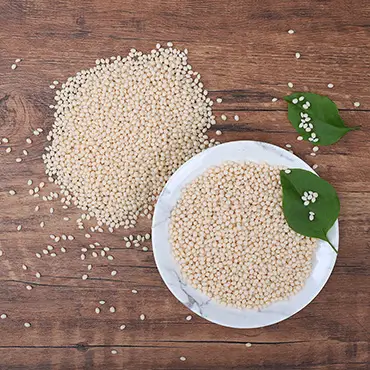
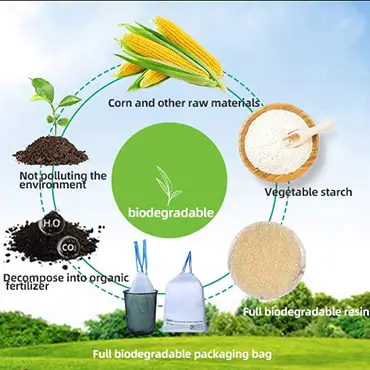
The “building blocks” of PLA are lactic acid molecules. These molecules are primarily obtained through the bacterial fermentation of sugars found in crops like corn starch, sugarcane, or cassava. This biological origin sets PLA apart from conventional plastics and underpins its environmental appeal. Through a process called polymerization, these lactic acid molecules are linked into long chains (polymers) to create the final PLA resin, which can then be formed into pellets, sheets, or filaments.
Why PLA? Properties and Common Uses
PLA has gained immense popularity not just for its green credentials but for a combination of practical properties that make it suitable for a wide range of applications. It offers a unique combination of functional properties and a reduced environmental footprint compared to many traditional plastics.
-
Rigidity and Gloss: PLA has excellent rigidity and can achieve a high-gloss, transparent finish, making it aesthetically pleasing for packaging.
-
Low Melting Point: With a melting temperature typically between 150-180°C, PLA is easier and safer to process than many plastics, requiring less energy.
-
Biocompatibility: It is non-toxic and biocompatible, meaning it’s safe for contact with food and even for certain medical applications within the body.
-
Printability: For 3D printing enthusiasts, PLA is the go-to filament due to its minimal warping, ease of use, and low odor during printing.
-
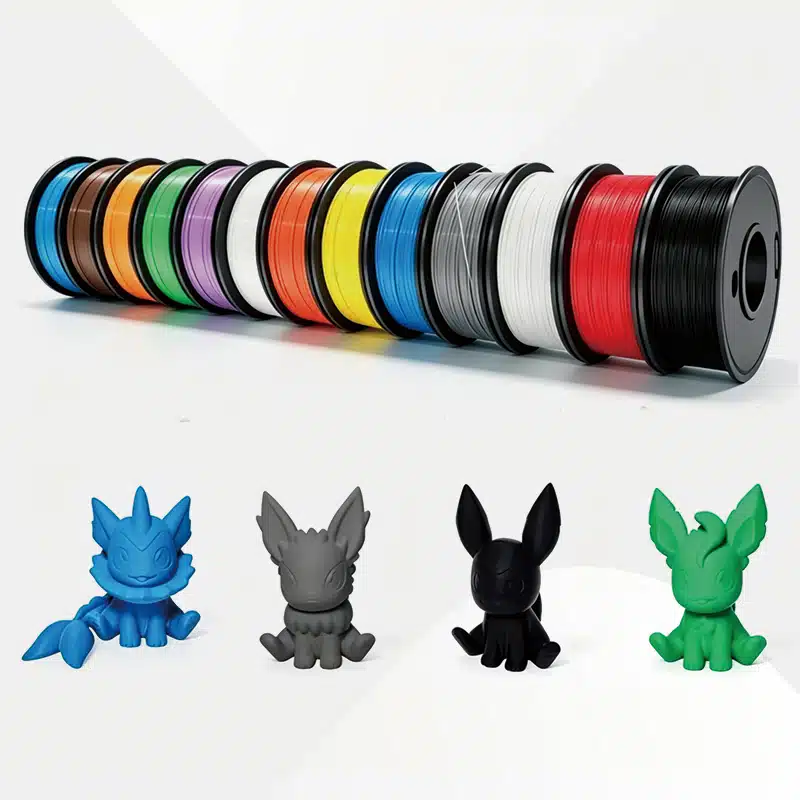
3D Printing: The most popular material for hobbyists and professional 3D printing, available in a vast array of colors and blends (e.g., silk, marble, wood-filled).
-
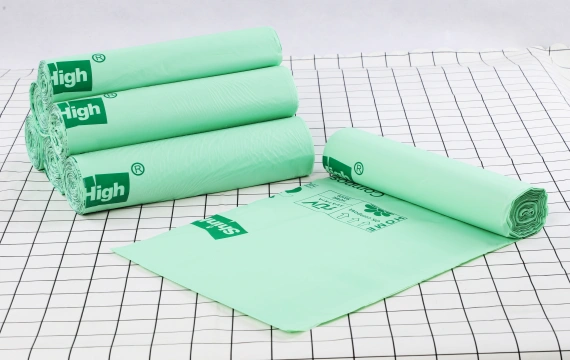
Food Packaging & Service: You’ll find PLA in clear clamshells, compostable cups, cutlery, and straws. It’s also used as a biodegradable lining in paper coffee cups.
-
Medical Field: PLA’s biocompatibility enables its use in a range of medical applications, including absorbable sutures, drug-delivery systems, and biodegradable screws and pins for bone fixation.
-
Textiles: PLA can be spun into fibers for clothing, carpets, and upholstery, offering a renewable alternative to petroleum-based polyester.
.webp)
The PLA Deep Dive: Answering Your Top 5 Concerns
This is where we address the most pressing questions you have, based on real user searches.
Q1: Is PLA actually compostable?
-
Industrial Composting: These facilities create an ideal environment of high temperatures (around 60°C), specific humidity, and dedicated microbes. Under these controlled conditions, PLA can break down into water, carbon dioxide, and organic matter in 3 to 6 months.
-
The Problem: In your backyard compost bin or a landfill, which lacks these consistently high temperatures, PLA will degrade extremely slowly, similar to conventional plastic. It will not meaningfully compost in a landfill.
Q2: Is PLA plastic safe for humans?
-
Food Safety: Food-grade PLA complies with strict regulations (like the FDA in the US and EFSA in Europe). The only substance it might release in tiny amounts is lactic acid, a compound naturally found in foods like yogurt and sourdough bread.
-
Medical Safety: Its use in medical implants and sutures is a testament to its high biocompatibility and non-toxic nature.
Q3: What is the PROBLEM with PLA plastic?
-
The “Compostable” Misconception: The biggest issue is consumer confusion. Many people see “compostable” and assume it will break down in a home compost or, worse, naturally in the environment. This leads to contamination of recycling streams (as PLA cannot be recycled with PET #1) or it ends up in landfills, where it degrades very slowly without oxygen, potentially releasing methane, a potent greenhouse gas.
-
Recycling Contamination: PLA requires separate, specialized recycling facilities. When mixed with conventional plastics, it can lower the quality of the recycled material. Most municipal recycling programs are not equipped to handle PLA.
-
Dependence on Industrial Infrastructure: Its environmental promise is entirely dependent on access to industrial composting facilities, which are not available in many regions. Without this infrastructure, the PLA’s end-of-life benefits are largely negated.
-
Performance Limitations: Compared to plastics like ABS or PET, PLA has a lower heat resistance (becoming soft around 60°C), making it unsuitable for hot car interiors or dishwasher-safe items. It can also be more brittle.
-
Resource Debate: Although current production uses a small fraction of crops (and often non-food-grade sources), there is an ongoing debate about using agricultural land for plastic production instead of food, especially as demand grows.
Q4: Does PLA give off microplastics?
-
The Risk: In natural environments like the ocean or soil, where conditions are far from ideal for industrial composting, PLA degrades very slowly. During this slow breakdown, it can fragment into smaller pieces, just like conventional plastic, potentially contributing to microplastic pollution.
-
The Difference: The key difference from petroleum-based plastics may lie in the persistence of these microplastics. Because PLA is inherently more susceptible to microbial attack and hydrolysis (breakdown by water), the microplastics it forms might break down further over a shorter timeframe than their conventional counterparts. However, this process is still slow and not a solution to pollution.
-
The Verdict: PLA is not a “get-out-of-pollution-free” card. The best way to prevent PLA microplastics is the same as for any plastic: proper waste management. Ensuring PLA ends up in industrial composting is the only way to guarantee its complete breakdown.
PLA vs. Other Plastics: A Clear Comparison
How does PLA stack up against common plastics? This table provides a quick, clear comparison.
|
Feature
|
PLA (Polylactic Acid)
|
ABS (Acrylonitrile Butadiene Styrene)
|
PET (Polyethylene Terephthalate)
|
|---|---|---|---|
|
Source
|
Renewable (e.g., Corn, Sugarcane)
|
Petroleum-based (Fossil Fuels)
|
Petroleum-based (Fossil Fuels)
|
|
Biodegradable/Compostable
|
Yes, Industrially Compostable
|
No
|
No (but highly recyclable)
|
|
Heat Resistance
|
Low (Softens ~60°C)
|
High (Withstands ~100°C)
|
Moderate-High (Withstands ~70°C)
|
|
Durability / Impact Strength
|
Brittle, Rigid
|
Very Tough, Flexible
|
Strong, Rigid
|
|
Typical Uses
|
Food Packaging, 3D Printing, Medical
|
Lego, Automotive Parts, Electronics
|
Water Bottles, Food Containers
|
|
Ease of Printing (3D)
|
Easy (Low warping, pleasant odor)
|
Difficult (High warping, strong fumes)
|
Moderate (Requires higher temps)
|

The Future of PLA and Responsible Use Guidelines
-
Material Science: Researchers are developing new PLA blends (e.g., with PHA) to improve heat resistance and create home-compostable grades.
-
Chemical Recycling: Advanced recycling methods are being perfected to break down PLA back into its core building blocks (monomers) for repolymerization into new, high-quality PLA, creating a true circular economy.
-
Infrastructure Expansion: The growth of commercial composting and chemical recycling for PLA is essential for it to realize its full potential.
Your Guide to Responsible PLA Use
-
For Consumers:
-
Check Local Rules: Before buying PLA products, verify if you have access to industrial composting. If not, its green benefits are limited.
-
Dispose Correctly: Never put PLA in with regular plastic recycling. If industrial composting is available, use it. Otherwise, it may need to go in the general waste.
-
Look for Certifications: Trust certifications like “BPI Certified Compostable” in North America or the “Seedling” logo in Europe.
-
Choose for the Right Use: Don’t use PLA cutlery for hot meals or a PLA cup for hot coffee.
-
-
For 3D Printing Enthusiasts:
-
PLA is the perfect, low-waste material for prototypes and non-functional models.
-
For parts needing strength or heat resistance, consider alternatives like PETG or ABS.
-
Collect your failed prints and support material and seek out specialized recycling programs.
-
-
For Businesses:
-
Transparent Communication: Clearly label PLA products with instructions for proper disposal (e.g., “Commercially Compostable Only”) to prevent contamination.
-
Lifecycle Assessment: Consider the entire lifecycle, including the end-of-life options available to your customers, when choosing PLA packaging.
-
Conclusion
PLA is a powerful testament to innovation, offering a way to decouple our plastic dependence from fossil fuels. It is a safe, versatile, and potentially circular material. It is not, however, a magic bullet. Its value lies in its potential—a potential that can only be unlocked through a coordinated effort involving improved technology, expanded composting infrastructure, and, most importantly, informed choices by consumers, creators, and businesses. By understanding both the promises and the pitfalls of PLA, we can use it not as a greenwashed alternative, but as a responsible tool in the broader mission to create a more circular economy.