




-
Strength to handle wet, heavy, and sharp scraps without tearing.
-
Containment to lock in liquids and neutralize odors effectively.
-
Sustainability to align with environmental priorities, considering the bag’s end-of-life impact.
The Food Waste Challenge: Why Your Regular Bag Isn’t Enough
-
Leaks and Soggy Bottoms: Liquids from coffee grounds, soggy vegetables, meat juices, and melting ice quickly pool at the bottom. Standard bags have weak seals and thin plastic, leading to dreaded leaks that dirty your bin and require scrubbing.
-
Rips and Tears: Sharp bones, shellfish shells, pineapple tops, and even stiff broccoli stems can easily puncture thin bag material, causing rips that spill contents and render the bag useless.
-
Odor Escapes and Pests: Food odors permeate standard plastic. The smell of rotting scraps attracts fruit flies, ants, and other pests into your home. A bag that can’t contain smells makes your kitchen unpleasant.
Types of Bags for Food Waste: Pros, Cons & Best Uses
Not all bags are created equal. Your ideal choice depends on whether you prioritize durability, odor control, environmental footprint, or convenience for a countertop caddy.
Heavy-Duty & Leak-Proof Bags: The Kitchen Workhorse
-
Key Features: Look for a higher mil thickness (e.g., 1.1 mil+), reinforced leak-proof seals at the bottom and sides, and puncture-resistant claims. Many have strong, drawstring ties for a secure closure.
-
Best For: Households that dispose of all food waste in the main kitchen trash, especially those with meat bones, shellfish, and greasy leftovers. They are the definitive solution for leak-proof kitchen trash bags for food scraps.
-
Pros: Maximum strength and leak protection; widely available; often cost-effective per bag.
-
Cons: Made from traditional plastic; not suitable for composting.
Scented & Odor-Control Bags: Neutralizing Kitchen Smells
-
Key Technology:
-
Baking Soda (Sodium Bicarbonate): Embedded in the plastic, it absorbs and neutralizes acidic odors.
-
Activated Charcoal: A highly porous additive that traps odor molecules.
-
Proprietary Scent Beads: Provide a long-lasting, masking fragrance (e.g., citrus, lavender).
-
-
Best For: Small indoor bins, diaper pails, or any situation where containing smell is as important as containing the waste itself. Great for apartments with limited ventilation.
-
Consideration: The scent can be strong for some. Check if the additives affect the bag’s compostability if you plan to compost
Small Bin Liners & Countertop Caddie Bags
-
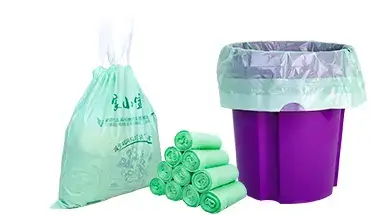
They Come in All Types: You can find small versions of heavy-duty, scented, or compostable bags. The most common are thin, inexpensive compostable bags or small, unscented plastic liners.
-
Key Feature: The right fit. A bag that is too large will sag and be hard to remove; one that is too small won’t cover the bin interior. Many brands sell bags sized to fit popular caddy models.
-
Best For: Anyone who collects food scraps in a small container before transferring them to a larger outdoor bin or compost pile. They keep the caddy clean and make for easy, drip-free transport.
Compostable Bags: The Eco-Friendly Solution
-
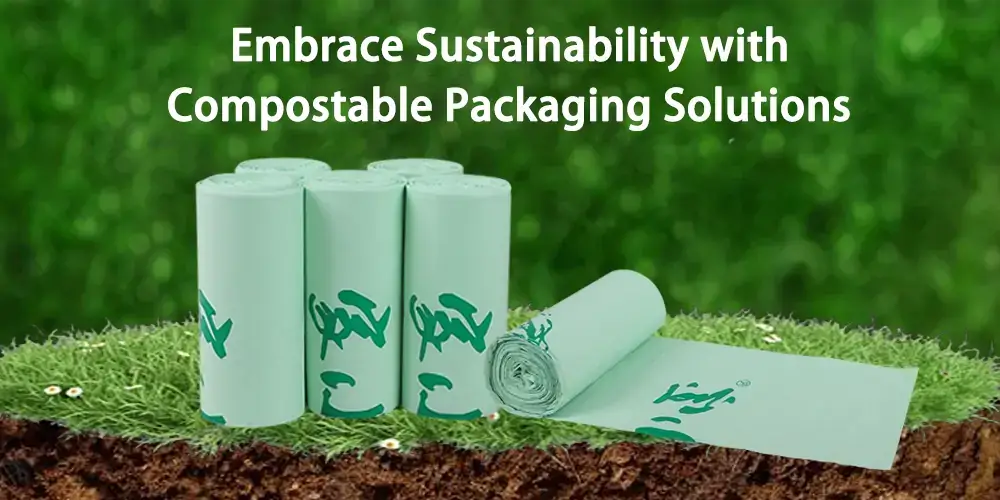
Key Features: Look for official certifications like BPI (for US industrial composting) or OK Compost HOME (for backyard composting). This answers the critical question: Are compostable bags good for food waste? Only if they are certified and used correctly.
-
Best For: Those who actively compost, either through a municipal curbside program (check if they accept certified bags) or a backyard bin. They are ideal for cleanly transporting food scraps.
-
How to Use Compostable Bags for Food Scraps: Use them only in a dedicated countertop caddy, empty them into your compost bin frequently (do not let them sit for weeks), and ensure your compost facility accepts them. Do not put them in regular trash—they need specific conditions to break down.
-
Pros: Break down into non-toxic components; reduce plastic use; perfect for compost collection.
-
Cons: More expensive; less tear-resistant when wet; must go to a composting facility, not a landfill.
 How to Choose: 5 Key Factors for Your Kitchen
1. Strength & Durability (Thickness/Mil Rating)
-
Standard (0.7-0.9 mil): Often marketed as “value” bags. Prone to tears and leaks with heavy, wet food waste. Best avoided for kitchen duty.
-
Heavy-Duty (1.0-1.2 mil): The sweet spot for most kitchens. Provides reliable resistance against typical food scrap punctures and the weight of a full bin.
-
Extra Heavy-Duty / Contractor (1.5+ mil): Overkill for most homes, but ideal if you frequently dispose of large bones, sharp shells, or have a very high-volume household.
2. Leak & Tear Resistance (Features to Look For)
-
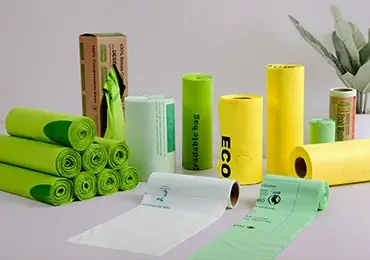
Leak-Proof Seals: Look for bags that advertise “leak-proof” or “break-resistant” bottoms, often with a star-seal or reinforced diamond pattern. This prevents liquid from pooling and seeping out.
-
Puncture-Resistant Material: Bags marketed as “armor” or with “triple-ply” sides are designed to withstand sharp objects.
-
Reinforced Drawstrings: A sturdy, wide drawstring that won’t tear through the bag when lifting a heavy load is essential for safe disposal.
3. Odor Control Technology
-
Scented: Uses added fragrances (like lavender or citrus) to mask odors. Effective for some, but may not neutralize all smells, and can be overpowering.
-
Odor-Neutralizing: Uses ingredients like baking soda or activated charcoal embedded in the plastic to actively absorb and trap odor molecules. This is often more effective for true odor elimination.
-
Barrier Technology: Some bags use multiple layers with a polymer barrier designed to prevent odor molecules from escaping.
4. Bag Size & Fit for Your Bin
-
Height & Width: The bag should be tall enough to have ample cuff to fold over the bin’s rim, and wide enough to fit snugly without sagging in.
-
Volume: Choose a bag rated for your bin’s capacity. If you have a 13-gallon bin, use 13-gallon bags. Using a smaller bag guarantees overfilling and breakage.
- The Fit Test: A good bag will fit snugly around the top rim without excessive overhang and will descend fully into the bin without folding over itself, which creates weak points.
5. Environmental Impact: Compostable vs. Recycled Plastic
-
Certified Compostable Bags (BPI, OK Compost HOME): The best choice only if you have access to the correct composting stream (industrial or home). In a proper compost facility, they break down into non-toxic organic matter. In a landfill, they decompose anaerobically, potentially releasing methane.
-
Bags Made from Recycled Plastic: Look for a post-consumer recycled (PCR) content percentage. This gives existing plastic a new life, reduces virgin plastic use, and is a responsible choice if your food waste goes to a landfill. Ensure the bag itself is still strong and leak-proof.
-
Standard Plastic Bags: Made from virgin materials. If you choose this route, prioritize durability so you use fewer bags overall, and consider buying in bulk to reduce packaging.
 Top Recommendations for Different Needs (2026)
Best Overall Heavy-Duty Bag for Food Waste
This category consistently excels due to its focus on core performance. Look for bags that are at least 1.1 mil thick with leak-proof diamond texture and reinforced seams. The “Ultra Strong” or “Strong Arm” style bags from major brands typically feature a dual-layer drawstring closure for a secure, over-the-rim fit and exceptional puncture and tear resistance. They handle heavy, wet, and sharp scraps without fail, making them the most reliable all-around performer for the main kitchen bin.
Best for Odor Control
Best Certified Compostable Bags
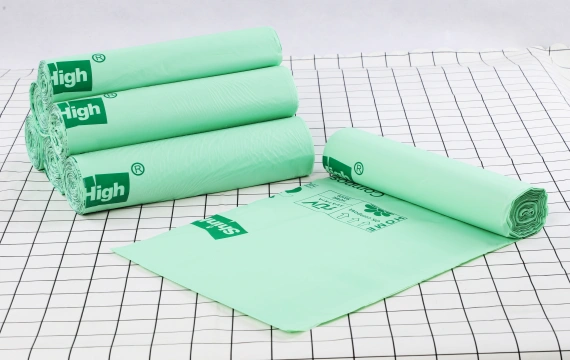
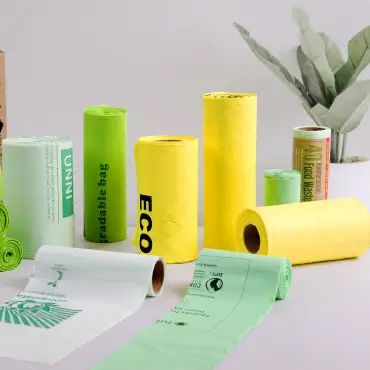
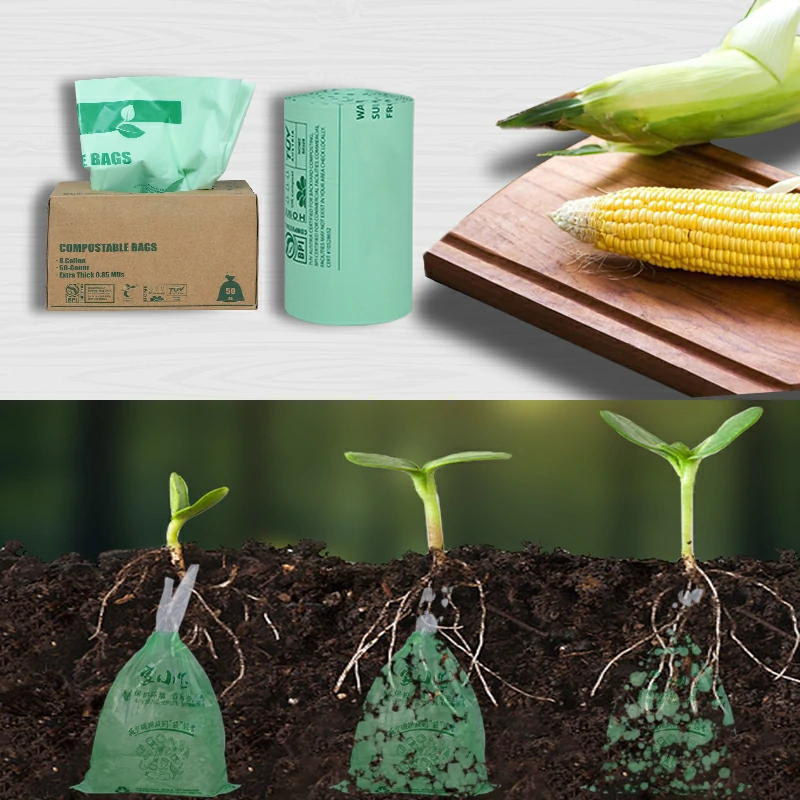
For eco-conscious composters, certification and performance are paramount. The leading options are bags certified to the ASTM D6400 standard for industrial composting. The best ones are made from a plant-based starch blend, are extra thick (2+ mil) to resist tearing when wet, and feature a clear certification logo. Brands like UNNI, BioBag, and ShinHigh Bio are reputable. They are strong enough to hold food scraps without leaking in your countertop caddy and are accepted by most municipal composting programs. For backyard composting, specifically seek bags with the “OK Compost HOME” certification.
Best Value / Cost-Effective Option
Pro Tips for Managing Food Waste & Minimizing Mess
The right bag is your first line of defense, but these professional practices will elevate your food waste management from good to flawless.
Pre-Bagging Tips: Freezing Scraps & Using Liners
-
Freeze Before Trash Day: For particularly pungent items like fish scraps, meat trimmings, or diapers, place them in a smaller compostable or old bread bag, tie it off, and freeze it. On trash day, add the frozen block directly to your main bag. This virtually eliminates odors and leaks in your kitchen bin.
-
Double-Line for High-Liquid Waste: When disposing of soup, gravy, or very wet fruit pulp, first place the waste in a small, leak-proof bag (like a used produce bag) and tie it shut. Then, place that sealed bundle into your main kitchen bag. This creates a secondary containment layer.
-
Use a Dedicated Countertop Caddy: Even if you don’t compost, use a small, lined caddy with a tight-sealing lid on your counter for food scraps. Empty it into your main kitchen trash bag daily. This keeps the main bag cleaner and contains smells in a smaller, manageable container.
How to Prevent Bags from Tearing and Leaking
-
Drain and Wrap Sharp Scraps: Always drain excess liquid from tea bags, coffee grounds, and canned vegetables before tossing. Wrap sharp bones, shellfish shells, or jagged metal lids in a piece of newspaper or a used paper towel to create a buffer that prevents punctures.
-
Avoid Overfilling: An overstuffed bag is a strained bag. The stress on the seams and plastic increases the risk of tears, especially when lifting. Stick to the bag’s rated capacity.
-
Keep the Bin Clean: Regularly wipe down the inside of your kitchen bin with a disinfectant or a vinegar solution. A clean, dry bin provides a smooth surface that reduces friction and the chance of the bag snagging and tearing when you remove it.
The Final Wrap: Securing and Disposing of Full Bags
-
Press Out Air: Before tying, gently press down on the bag to expel excess air. This reduces volume, makes the bag less buoyant and easier to handle, and minimizes the chance of it bursting.
-
Use the Drawstring Correctly: Pull the drawstring tightly, and then loop it into a secure knot or bow. For bags without drawstrings, twist the top tightly, fold it over, and secure it with a strong twist-tie or a dedicated bag clip.
-
Lift from the Bottom: When removing the bag from the bin, support its bottom with one hand while lifting with the drawstring. This distributes weight and prevents the dreaded “bottom blowout.”
-
Use a Outdoor Bin: Ensure your outdoor trash bin has a snug-fitting lid to deter pests, and always line it with a large, heavy-duty bag to contain any leaks from the indoor bags

FAQs: Your Food Waste Bag Questions, Answered
A: Be very cautious. “Biodegradable” is an unregulated term. These bags are often designed to break down into microplastics in landfills, which is harmful. For food waste, you want certified compostable bags (look for BPI or OK Compost HOME logos) if they are going to an industrial or home compost pile. For landfill trash, a standard plastic or recycled plastic bag is actually a more responsible choice than a “biodegradable” one.
-
Choose the Right Bag: Always use bags marketed as leak-proof or with reinforced seals.
-
Double-Bag High-Moisture Waste: Place very wet scraps in a small, separate bag first.
-
Keep Your Bin Clean: Regularly wash and dry your kitchen bin. A clean, dry surface helps the bag adhere better and prevents residue from weakening the plastic.
-
Use a Bin Liner: A simple, reusable plastic bin liner can catch any small leaks, keeping the main bin clean.
A: No, you should never put scented or odor-control bags in a compost bin. The chemicals, fragrances, and additives used to create the scent or neutralize odors are not suitable for composting. They can harm the microbes essential for decomposition and contaminate your finished compost. Only use certified compostable bags (which are typically unscented) for collecting food scraps destined for compost.
Conclusion: The Bottom Line
Choosing the best garbage bag for food waste isn’t about finding a single perfect product, but about matching the right tool to your specific kitchen habits and values. The ideal bag effectively balances three core needs: maximum strength to contain the mess, smart odor control to keep your kitchen fresh, and a considered environmental impact that aligns with your disposal methods.
Whether you prioritize the unbeatable durability of a heavy-duty bag, the fresh confidence of odor-neutralizing technology, or the sustainable cycle of certified compostable liners, the right choice transforms a daily chore. It prevents leaks, contains smells, and makes taking out the trash a simpler, more hygienic task.
Looking for a Reliable Solution?
As specialists in sustainable packaging, we understand the importance of performance and responsibility. If you are a business or retailer searching for high-quality, certified compostable bags or heavy-duty recycled plastic solutions, we can help. Contact us today to discuss your needs and request free samples to test for yourself. Let’s work together to contain the mess, not the future.