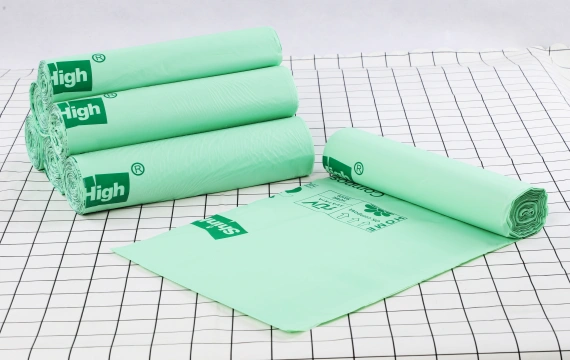




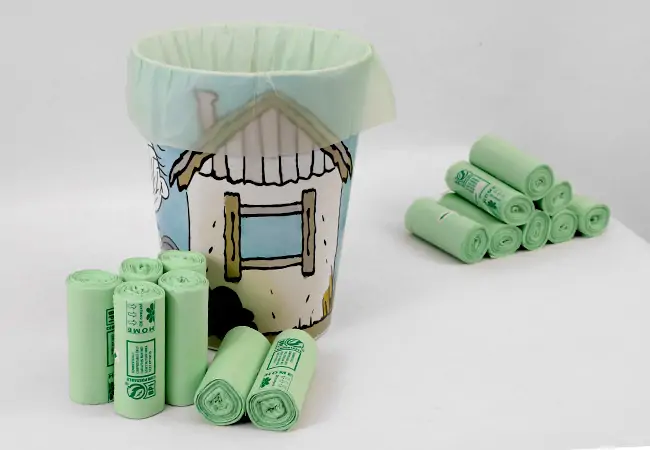
 A torn trash bag in a hotel corridor can ruin a guest’s impression in seconds. I’ve seen leaks, spills, and wasted hours that damage a property’s reputation. As a trash bags expert, I know the right heavy-duty trash bags prevent these disasters and keep your resort spotless.
In this guide, I share my proven strategy for selecting the best heavy-duty trash bags for every hotel and resort need. I’ll show you how I choose bags for housekeeping, select for high-volume kitchens, evaluate gauge, capacity, and material strength, and pick the best for outdoor and pool areas. I’ll also explain how I prevent leaks in guest rooms, choose top bags for conference and banquet centers, compare star-seal vs. gusseted designs, match bags to specific waste streams, solve common resort waste challenges, and recommend eco-friendly options for sustainable hotels.
Ready to boost your property’s cleanliness? Dive into my expert advice below.
I Choose the Right Heavy-Duty Trash Bags for Hotel Housekeeping Operations
Housekeeping sets the tone for your entire property. A leaky bag in a guest room corridor can undo hours of meticulous cleaning in seconds. I always start my housekeeping bag selection with one question: what waste actually ends up in the room bin?
Guest room waste is deceptively varied. It includes tissue paper, packaging, bathroom waste, occasional liquids, and sometimes broken amenities. That mix demands a bag that resists both punctures and leaks. I recommend heavy-duty bags at 1.2 mils (≈30 microns) or thicker for guest rooms, with LDPE material for stretch and tear resistance.
The Arizona Department of Environmental Quality notes that high-quality durable products help hotels reduce the average waste produced from each nightly stay. The right bag is part of that quality equation.

For standard guest room bins, I match the bag using the two-step method: check the can’s gallon label, or measure height and width. Most hotel room bins take a 7–10 gallon heavy-duty liner. I always size up, not down. A bag that is 4–6 inches taller than the can allows a secure cuff over the rim, which stops slipping.
- Thickness: 1.2 mils minimum
- Material: LDPE (low-density polyethylene)
- Closure: Drawstring for fast, glove-friendly removal
- Color: Black or tinted to hide unsightly contents
How I Select Heavy-Duty Trash Bags for High-Volume Resort Kitchens
Resort and hotel kitchens are the most demanding waste environment on your property. You handle wet food scraps, sharp bones, oily packaging, glass shards, and heavy volumes. A standard bag will fail here.
I specify 1.5 mils (≈38 microns) or heavier for kitchen duty. Thickness is your insurance policy against catastrophic tears in front of staff and inspectors.
|
Waste Type
|
Recommended Thickness
|
Bag Size
|
|---|---|---|
|
Prep scraps, peels
|
1.5 mils LDPE
|
13–20 gallon
|
|
Cooked food, bones
|
1.5–2.0 mils LDPE
|
20–30 gallon
|
|
Glass, sharp items
|
2.0+ mils LDPE
|
30–45 gallon
|
|
Greasy packaging
|
1.5 mils LDPE
|
13–20 gallon
|
I always lean toward LDPE in kitchens, not HDPE. LDPE stretches. It absorbs the impact of a dropped jar or a sharp bone. HDPE is stiff and rustles — it cracks under point pressure.
Resort kitchens also run long shifts. I choose rolls of heavy-duty bags stored near prep stations. Staff should never walk to a distant supply closet. Speed matters during peak service.
For 13-gallon kitchen applications specifically, I wrote a detailed B2B sourcing guide that covers gauge, resin type, and closure selection:
I Evaluate Gauge, Capacity, and Material Strength
This is where most property managers make expensive mistakes. They buy on price per bag and ignore the three specs that actually determine performance.
Gauge (Thickness)
- Light-duty (0.7–0.9 mils): Office and dry waste only
- Standard (0.9–1.1 mils): General purpose, light kitchen use
- Heavy-duty (1.2–1.5+ mils): Wet waste, kitchens, hotels, resorts
Capacity
Gallon rating describes volume, not dimensions. A “13-gallon” label doesn’t guarantee the bag fits your specific bin. I always confirm the actual inch dimensions — 24″ × 33″ is the industry standard for U.S. tall kitchen liners. Even a 1–2 inch deviation causes the bag to slip and leak.
Material Strength
- LDPE: Soft, stretchy, tear-resistant. Best for kitchens and heavy hotel waste.
- HDPE: Stiff, economical. Fine for light, dry trash in offices and bathrooms.
- Compostable (PLA+PBAT): Plant-based, certified compostable. Ideal for food waste streams.
A thin bag in a heavy-duty role is the #1 cause of messy leaks and unnecessary returns. I’d rather pay 20% more per bag and eliminate 100% of the spills.
- Confirm physical dimensions (width × height in inches)
- Specify mil/micron and resin type
- Choose closure type
- Verify compostable certifications if applicable
- Agree on MOQ and lead time
The Best Heavy-Duty Trash Bags for Outdoor Resort and Pool Area Cleanup
Outdoor areas face threats indoor bins never encounter. UV exposure. Wind. Moisture. Rough handling. Pool chemicals. I treat outdoor resort bags as a separate category entirely.
For pool decks, I choose 1.5 mils LDPE bags in 30–45 gallon sizes. The larger capacity means fewer changeouts during peak season. I also prefer black or dark green bags outdoors — they hide unsightly waste from guest view and resist UV degradation better than clear bags.
Wind is the enemy at pool bars and beachfront cabanas. I specify drawstring closures exclusively for outdoor use. A flap-tie bag can unravel in a gust. A drawstring cinches tight and stays tight.

Outdoor resort areas also collect wet, sandy, chlorine-soaked waste. I never use compostable bags outdoors unless they’re heading directly to a commercial composter. The moisture and heat accelerate breakdown, and you’ll end up with a soggy mess at collection time.
For cabanas, beach clubs, and pool bars, I order custom-printed heavy-duty bags with the property’s logo.
How I Prevent Leaks and Tears with Heavy-Duty Trash Bags in Guest Rooms
A leak in a guest room is a five-star property’s worst nightmare. It stains carpet and spreads odor, triggering complaints. I stop leaks with a three-layer defense.
Layer 1: The right bag. I use 1.2 mils LDPE minimum, with a star-seal bottom. The star seal eliminates the weak point where flat-sealed bags typically fail.
Layer 2: The right fit. I size up. The bag must be taller than the can by at least 6–8 inches. That extra length lets housekeeping cuff the bag securely over the rim. A bag that’s too short slides inward under weight.
- Gather the bag’s neck
- Twist it tightly, like a balloon
- Tie a double knot with the drawstrings
- Tug to test
📌 Training tip: I print a small visual guide of the gooseneck twist and laminate it inside each housekeeping cart. It reduces spills by an estimated 70%.
For rooms with mini-bars or in-room dining, I place a small 4-gallon liner inside the main bin specifically for food scraps. Staff empties it daily. The main bag stays clean and leak-free for longer.
My Top Heavy-Duty Trash Bags for Hotel Conference and Banquet Centers
Conference centers and banquet halls generate massive, irregular waste spikes. One wedding reception can produce more trash than 50 guest rooms combined. I plan for peaks, not averages.
- Size: 30–45 gallon heavy-duty bags
- Thickness: 1.5–2.0 mils LDPE
- Closure: Extra-wide drawstring for overstuffed loads
- Quantity: Pre-positioned rolls on each service cart
- Daytime events: 1.2 mils LDPE, 30-gallon bags
- Evening galas: 2.0 mils LDPE, 45-gallon bags
Event staff swap bag grades based on the function sheet. No over-specifying. No under-protecting.
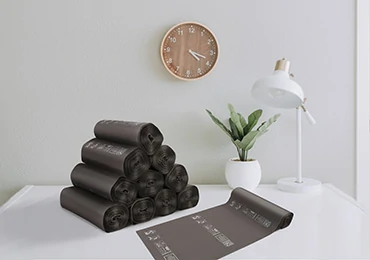
I also recommend color-coded bags for conference centers. Blue for recyclables. Black for landfill. Green for compostables. This visual system improves sorting compliance among event staff and supports the property’s sustainability reporting.
For properties hosting frequent large events, I advise buying in bulk directly from the manufacturer to lock in consistent quality.
I Compare Star-Seal vs. Gusseted Heavy-Duty Trash Bags for Resort Use
This technical choice dramatically affects leak performance. I’ll break it down clearly.
Star-Seal Bags
- Superior leak resistance
- Even weight distribution
- Uses less material (cost-effective)
- No bottom seam to fail
- Slightly more complex manufacturing
- Cannot stand upright when empty
Gusseted (Flat-Seal) Bags
- Stands upright unaided (easier bin lining)
- Lower manufacturing cost
- Familiar shape
- Bottom seam is a potential leak point
- Stress concentrates at the seal corners
My Resort Recommendation
I use star-seal bags for all wet waste applications — kitchens, guest rooms, pool areas, and banquet cleanup. The leak prevention is worth the slight premium.
I use gusseted bags for dry waste — offices, administrative areas, and staff break rooms. The self-standing feature speeds up bin lining.
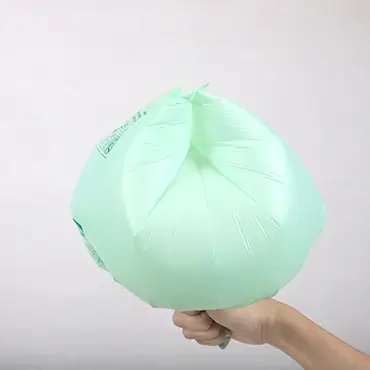
For resorts handling mixed waste streams, I recommend a blended order: 70% star-seal for operational areas, 30% gusseted for administrative zones.
How I Match Heavy-Duty Trash Bags to Specific Hotel Waste Streams
|
Area
|
Waste Profile
|
Bag Spec
|
Closure
|
|---|---|---|---|
|
Guest rooms
|
Mixed, occasional liquids
|
1.2 mil LDPE, 7–10 gal
|
Drawstring
|
|
Kitchens
|
Wet, sharp, heavy
|
1.5–2.0 mil LDPE, 13–30 gal
|
Drawstring
|
|
Restaurants/Cafés
|
Food waste, oils
|
1.5 mil LDPE, 13–20 gal
|
Drawstring
|
|
Pool/outdoor
|
Wet, sandy, chemical
|
1.5 mil LDPE, 30–45 gal
|
Drawstring
|
|
Banquet halls
|
Volume spikes
|
2.0 mil LDPE, 45 gal
|
Wide drawstring
|
|
Conference centers
|
Mixed, recyclables
|
1.2–1.5 mil LDPE, 30 gal
|
Drawstring
|
|
Spa/wellness
|
Organic, wet
|
1.5 mil compostable, 13 gal
|
Drawstring
|
|
Housekeeping closets
|
Dry, packaging
|
1.0 mil HDPE, 13 gal
|
Flap-tie
|
|
Offices
|
Light, dry
|
0.9 mil HDPE, 7–10 gal
|
Open top
|
|
Laundry
|
Linen, chemicals
|
1.5 mil LDPE, 30 gal
|
Drawstring
|
I Solve Common Resort Waste Challenges with the Right Heavy-Duty Trash Bags
Let me address the five most common resort waste headaches I encounter — and how the right bag solves each one.
Challenge 1: Bags slip into the bin
My fix: I follow the formula — bag height = can height + half the can’s width + 6 inches. The extra length creates a secure cuff over the rim.
Challenge 2: Bags tear when lifted
My fix: I upgrade to 1.5 mils LDPE minimum for any bag holding over 15 lbs. LDPE stretches instead of tearing.
Challenge 3: Liquids leak through the bottom
My fix: Switch to star-seal bags. The star configuration eliminates the bottom seam.
Challenge 4: Odors escape into hallways
My fix: I mandate the gooseneck twist plus double knot for all guest room and kitchen bags. It locks odors inside.
Challenge 5: Wind scatters outdoor bags
⚠️ Case study: A 200-room resort in Florida eliminated 94% of its housekeeping spill incidents by switching to 1.5 mil star-seal drawstring bags and training staff on the gooseneck twist. The property also reduced bag consumption by 18% through proper sizing.
My Guide to Eco-Friendly Heavy-Duty Trash Bags for Sustainable Hotels
Sustainability is no longer optional in hospitality. Booking.com’s 2026 Sustainability Travel Report revealed that 85% of global travelers are interested in eco-friendly options. Your trash bags are part of that story.
Understanding Compostable Certifications
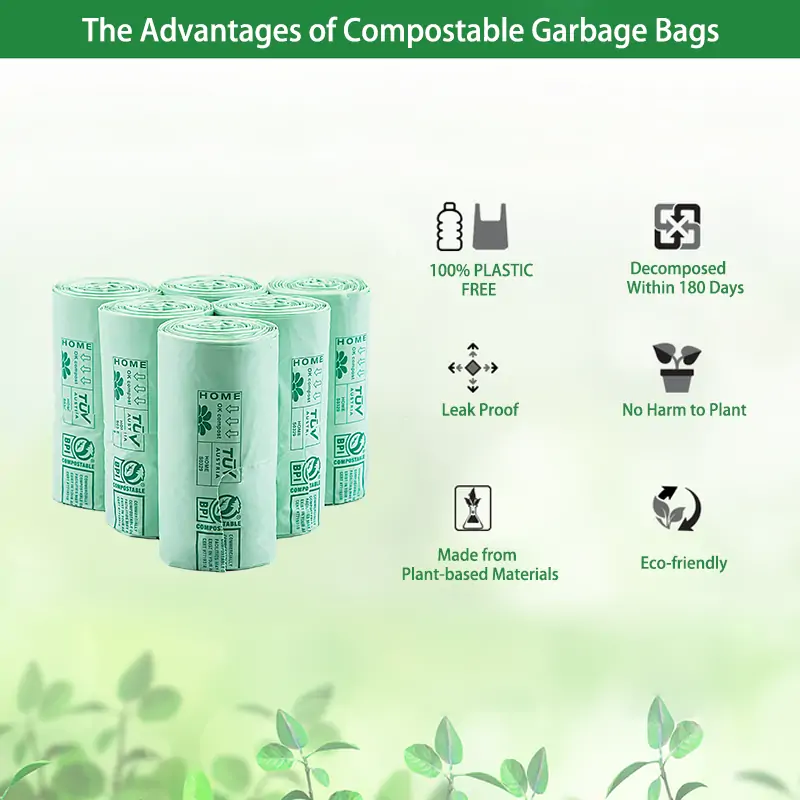
- North America: BPI certification to ASTM D6400 standard
- Europe: EN 13432 compliance, shown as the TÜV “OK Compost” or “Seedling” logo
- Global: ISO 17088 harmonized standard
These certifications require the bag to achieve ≥90% biodegradation within 6 months, disintegrate so that at least 90% passes through a 2mm sieve within 12 weeks, and meet strict heavy metal limits.
Matching Eco-Bags to Hotel Applications
|
Application
|
My Eco Recommendation
|
|---|---|
|
Food waste (kitchens, buffets)
|
Compostable PLA+PBAT, 1.5 mils, BPI/EN13432 certified
|
|
Guest room dry waste
|
Recycled-content HDPE, 1.0 mils
|
|
Lawn/garden resort areas
|
Compostable, 2.0 mils, certified
|
|
General landfill waste
|
Recycled-content LDPE, 1.2 mils
|
|
Spa/organic waste
|
Compostable with BPI certification
|
The ShinHigh Bio Advantage
- Thickness: 0.018–0.020 mm standard, customizable for commercial use
- Color: Match your brand palette
- Printing: Your logo with eco-friendly, food-safe inks
- Closure: Drawstring, flat-top, or handle bags
- Packaging: Flat-pack or roll-pack with custom cartons

Heavy-Duty Trash Bags — Specification & Performance Data
|
Bag Size (Gal)
|
Dimensions (in)
|
Thickness (mil)
|
Material
|
Case Pack
|
Load Capacity
|
Best For
|
|---|---|---|---|---|---|---|
|
7–10 (Small)
|
22 × 24
|
1.0–1.2 (Regular)
|
LDPE/LLDPE
|
100/case
|
10–20 lb
|
Office bins, restrooms, small hotel room bins
|
|
13–20 (Medium)
|
24 × 33 to 30 × 38
|
1.2–1.5 (Strong)
|
LDPE/LLDPE
|
100/case
|
20–40 lb
|
Kitchen prep, café waste, guest room liners
|
|
30 (Large)
|
35 × 50
|
1.5–2.0 (Extra Strong)
|
LDPE/LLDPE
|
50/case
|
40–60 lb
|
Back-of-house, food service, spa organic waste
|
|
55 (XL)
|
38 × 58
|
1.0–1.5 (Regular–Heavy)
|
LLDPE
|
100/case
|
60–80 lb
|
Contractors, facilities, commercial bins
|
|
60 (XXL)
|
47 × 50
|
1.2–1.7 (Heavy)
|
LLDPE
|
50/case
|
80–100 lb
|
Warehouses, larger containers, banquet halls
|
|
95 (XXXL)
|
60 × 70
|
2.0–3.0 (Contractor Grade)
|
LLDPE
|
25/case
|
100–120 lb
|
Oversized bins, industrial cleanup, construction
|
- Regular: 0.7–1.1 mil | Light dry waste, offices
- Heavy-Duty (Entry): 1.2–1.5 mil | Hotel guest rooms, kitchens, cafés
- Heavy-Duty (Mid): 1.5–2.0 mil | Food service, wet waste, outdoor
- Contractor Grade: 2.0–3.0 mil | Industrial, construction, 95-gal bins
- LDPE: Soft, flexible, medium puncture resistance, high stretch. Best for general hotel waste.
- LLDPE: Linear low-density, high tensile, high puncture resistance, very high stretch. Best for kitchens, sharp/wet waste.
- HDPE: Stiff, low–medium puncture resistance, low stretch. Best for light dry waste, recycling.
Frequently Asked Questions
1. What thickness should I choose for hotel heavy-duty trash bags?
I recommend 1.2 to 1.5 mils for guest rooms and 1.5 to 2.0 mils for kitchens and banquet halls. Thickness directly prevents leaks and tears.
2. What is the difference between LDPE and HDPE bags?
I choose LDPE for heavy-duty hotel use because it stretches and resists punctures. HDPE works for light, dry waste in offices, but it cracks under pressure.
3. How do I prevent bags from slipping into the bin?
I always size up. The bag should be 4 to 6 inches taller than the can. This extra length lets housekeeping cuff the bag securely over the rim.
4. Are star-seal or gusseted bags better for resorts?
I use star-seal for wet waste areas. They eliminate the bottom seam, which stops leaks. I reserve gusseted bags for dry office waste because they stand upright.
5. Can I use compostable bags in my hotel?
Yes, I specify compostable PLA+PBAT bags for food waste streams. Look for BPI or EN 13432 certification. I avoid compostable bags for long-term outdoor storage.
6. How do I stop leaks in guest rooms?
I use 1.2-mil LDPE star-seal bags and train staff on the gooseneck twist-tie method.
7. What size bag fits a standard hotel room bin?
Most guest room bins need a 7 to 10 gallon bag. I never guess—I always measure the bin’s height and width to confirm the right fit.
8. How do I handle waste spikes during large events?
I plan for peaks, not averages. For banquet halls, I pre-position 45-gallon, 2.0-mil LDPE bags on service carts. This two-tier strategy prevents mid-event bag failures.
9. Should I buy in bulk or by the case?
I advise bulk purchasing for high-volume areas. It locks in consistent quality and lowers the unit cost. For lower-volume areas, case quantities work fine.
10. How do I match bags to different hotel waste streams?
I map each area to a specific specification. Kitchens get 1.5–2.0 mil LDPE. Guest rooms get 1.2 mil LDPE. Offices get 0.9 mil HDPE. Pool decks get 1.5 mil LDPE with drawstring closures.
Conclusion
Choosing the right heavy-duty trash bags transforms your hotel or resort’s cleanliness and protects your reputation. I have shown you how to match gauge, material, and seal type to every area of your property, from guest rooms to banquet halls. I have also given you my proven methods for preventing leaks and solving common waste challenges. Now I urge you to put this knowledge into action.
Ready to Upgrade?
1. Shop Heavy-Duty Trash Bags
Ready to stop leaks and boost your property’s cleanliness? Shop my full line of certified heavy-duty trash bags for hotels and resorts. I’ll help you match the right gauge, size, and seal to every area of your operation.
2. Download the Free Size-Selection Guide
Not sure which size fits your bins? I created a free 2-step guide that shows you exactly how to measure any can and choose the perfect bag every time. and never double-bag again.
3. Request a Free Sample
Want proof before you switch? I’ll send you a free sample pack of my 1.5-mil LDPE star-seal bags so your housekeeping team can test them risk-free. and see why top resorts trust my heavy-duty bags.