



Updated August 14, 2026 · 8 min read
In today’s eco-conscious world, compostable mattress bags have emerged as the top bedding storage solution—combining serious protection with genuine sustainability. Whether you’re a homeowner planning a cross-country relocation or a renter clearing out a spare room, one thing is certain: you need a reliable mattress bag for moving that won’t cost the earth. In this 2026 guide, we’ll break down everything you need to know about choosing the right compostable mattress bag, understanding your mattress disposal bag options, and addressing the hard questions real buyers are asking online.
Why a Dedicated Mattress Bag is Essential in 2026
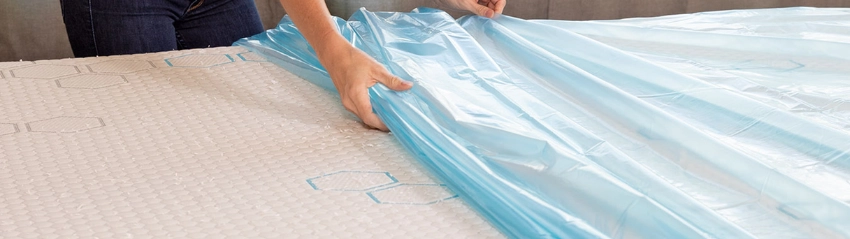
A quality compostable mattress bag acts as a shield against dust, moisture, and bed bugs during transit or storage. While you might be tempted to use a makeshift solution, a properly fitted bag ensures your mattress arrives at your new home—or the disposal facility—in the best possible condition. It’s a small investment that protects a much larger one, and in 2026, choosing compostable means you’re not trading one problem (a damaged mattress) for another (permanent plastic waste).
Mattress Bags for Moving: Size, Strength, and “Heavy Duty” Needs
When it comes to relocation, size matters. If you’re searching for mattress bags for moving queen size beds, or need full mattress bags for moving, always measure your mattress thickness first. A standard bag might fit a 10-inch mattress, but a pillow-top requires a larger capacity. Modern compostable mattress bags are available in Twin, Full, Queen, King, and Cal King sizes to cover every scenario.
The Case for Heavy Duty Mattress Bags
One of the most common regrets we see in moving forums is choosing a bag that’s too thin. A heavy duty mattress bag—whether plastic or compostable—should be 1.5 mil thickness or higher. It resists tears from stair rails, truck tailgates, and rough handling. The good news? Today’s plant-based compostable mattress bags are engineered to match traditional plastic strength, so you don’t have to choose between durability and the planet.
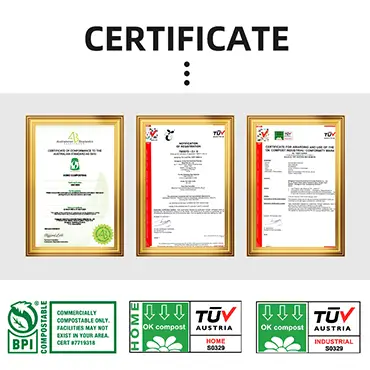
The Eco-Conscious Shift: What Makes a Mattress Bag Truly Compostable
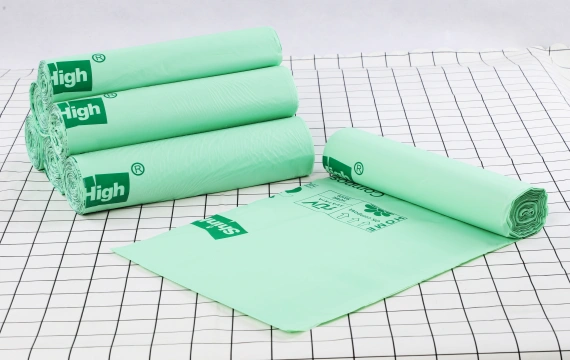
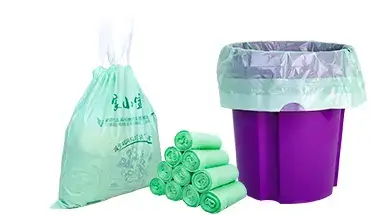
The demand for compostable mattress bags has skyrocketed. Made from plant-based polymers like PLA, PBAT, and PHA blends, these bags offer the same physical protection as conventional plastic but with a significantly lower environmental footprint. To be genuinely compostable, a bag must meet rigorous third-party standards—not just carry a green label. Look for BPI certification (ASTM D6400 in North America) or EN 13432 compliance in Europe. These certifications guarantee the bag will break down into non-toxic compost within 180 days under industrial composting conditions.
Addressing the Hard Questions: Reddit & Community Concerns
We’ve scoured Reddit and real buyer forums to answer the most pressing doubts head-on:
- “Do compostable mattress bags actually break down in landfills?” Honest answer: No. They require specific industrial composting conditions—high heat, controlled moisture, and active microbial communities. In a landfill’s oxygen-deprived (anaerobic) environment, even compostable materials break down extremely slowly and may release methane. This is why we always tell readers: compostable bags are a better choice than plastic, but they’re not a magic bullet for landfill waste.
- “Biodegradable vs. Compostable—what’s the difference?” Not all “biodegradable” bags are created equal. “Biodegradable” is an unregulated term that can mean anything from “breaks down in 500 years” to “contains cornstarch.” True compostable mattress bags must pass certified tests proving 90% biodegradation within 180 days with zero toxic residue.
- “Will a compostable bag rip during my move?” Modern compostable films are engineered for strength. PLA/PBAT co-blended films achieve tear resistance comparable to traditional PE bags. Just make sure you select the heavy-duty grade (1.5 mil+) and handle corners with care—same as you would with plastic.
- “Will my local composting facility accept them?” This varies by municipality. Even with BPI certification, some facilities don’t accept compostable bags in green bins because they look too much like conventional plastic. Always check with your local waste authority before assuming curbside pickup is an option.
How to Choose Between Heavy Duty Plastic and Compostable Mattress Bags
Not sure which type of bag fits your specific situation? Whether you’re planning a long-distance move or need a reliable disposal solution, this quick comparison will help you decide:
| Feature / Factor | Heavy Duty Plastic Mattress Bag | Compostable Mattress Bag |
|---|---|---|
| Main Material | Traditional Polyethylene (LDPE/HDPE) | Plant-based (PLA, PBAT, PHA blends) |
| Typical Thickness | 1.5 mil – 2.0+ mil (Very tear-resistant) | 1.5 mil – 2.0 mil (Heavy-duty options available) |
| Price Point | $ (Budget-friendly, widely available) | $$ (5–10% premium for sustainability) |
| Decomposition | Lasts for centuries in landfills | Breaks down in 180 days (industrial composting) |
| Certifications | None required | BPI, ASTM D6400, EN 13432, OK Compost HOME |
| Eco-Impact | High (microplastics, fossil-fuel based) | Low (non-toxic, returns to earth as compost) |
| Best For… | Extreme moving conditions, maximum ruggedness | Eco-conscious moves, mattress recycling & disposal |
The Verdict: If brute strength on the tightest budget is your only priority, a heavy duty plastic bag is a safe bet. But if you’re looking for a forward-thinking solution that aligns with 2026 sustainability standards—and you’re willing to pay a small premium—a compostable mattress bag is the clear winner. Just be sure to pair it with proper end-of-life planning (industrial composting drop-off or certified disposal).
What Can I Use to Wrap a Mattress for Disposal?
If you’re getting rid of an old mattress, a dedicated mattress disposal bag is your best bet. It seals in dust, allergens, and potential bed bugs, making it safer for sanitation workers to handle. For eco-conscious disposal, choosing a compostable mattress bag means the packaging itself won’t sit in a landfill for centuries after the mattress is gone. If a dedicated bag isn’t available, a heavy-duty tarp tightly secured with duct tape is a workable second choice—but it won’t provide a complete seal against pests.
Where Can I Find Mattress Disposal Bags?
You have several options for where to get a mattress bag for disposal:
- Municipal Waste Facilities: Some local sanitation departments provide free bags when you schedule a bulk pickup appointment.
- Online Retailers: Amazon and Walmart carry a wide range of sizes, including queen and king.
- Local Hardware Stores: Home Depot and Lowe’s often stock heavy-duty options in the moving supplies aisle.
- Specialized Suppliers: For certified eco-friendly options, check dedicated packaging providers like Biopakwell—we offer BPI-certified compostable mattress bags in all standard sizes.
What Can I Use Instead of a Mattress Bag?
If you absolutely cannot get a mattress bag, your best DIY alternatives are:
- A heavy-duty tarp wrapped tightly around the mattress and sealed with duct tape
- Moving blankets secured with rope or bungee cords
However, these DIY methods are strictly inferior. They don’t seal out bed bugs, they’re prone to shifting and tearing during transit, and they offer zero eco-friendly disposal benefits. For anything beyond a short local move, investing in a proper compostable mattress bag is worth every penny.
FAQs
A: The best option is a dedicated mattress disposal bag, preferably a compostable one. It seals in allergens and pests. If unavailable, a heavy-duty tarp tightly secured with duct tape is a secondary option, though it won’t provide a complete seal.
A: You can find them at major online retailers like Amazon, hardware stores like Home Depot, or directly from eco-friendly packaging suppliers like Biopakwell. Some local waste management facilities also provide them for scheduled bulk pickups.
A: Yes. Modern compostable bags made from PLA/PBAT blends are engineered for strength and available in heavy-duty (1.5 mil+) grades. They withstand the rigors of moving just as well as traditional plastic bags.
A: No, they require industrial composting conditions to break down efficiently. In a landfill’s anaerobic environment, decomposition is extremely slow. They are still a better environmental choice than plastic, but proper composting facility drop-off is essential for full biodegradation.
A: Look for BPI certification (North America, ASTM D6400), EN 13432 (Europe), or OK Compost HOME. These ensure the bag will fully biodegrade into non-toxic compost within 180 days under the right conditions.
Conclusion
Choosing the right compostable mattress bag in 2026 means balancing rock-solid protection, real-world convenience, and genuine environmental responsibility. Whether you need a heavy duty mattress bag for a cross-country move or a certified compostable option for responsible disposal, the market has evolved to meet your needs.