



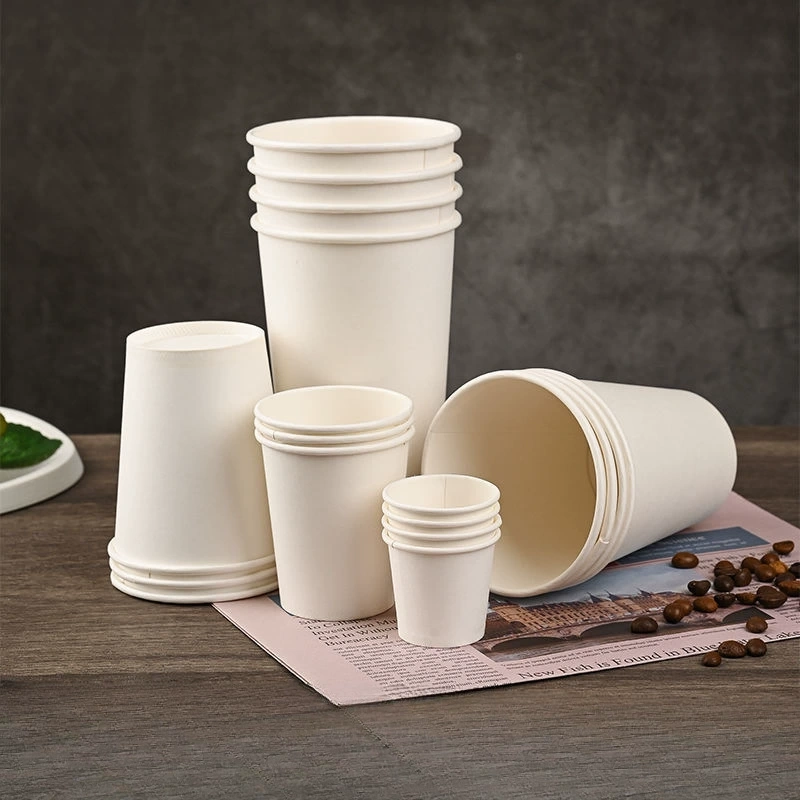
Whether grabbing a coffee on the go, hosting a party at home, or dining out, paper cups are everywhere. They’re often marketed as a safer, cleaner, and more eco-friendly alternative to plastic cups. But what are the hidden health and environmental costs behind this convenience? While paper cups are undeniably convenient, they come with their own set of challenges, from health risks to environmental concerns.
In this comprehensive guide, we’ll explore the hidden dangers of disposable paper cups, including microplastics and fluorescent brighteners, and provide practical tips on how to choose safer, more sustainable options.
Why Are Paper Cups So Popular?
-
Hygiene and Convenience
Paper cups are single-use, which eliminates the risk of contamination from improper cleaning. This makes them ideal for public spaces, restaurants, and events where hygiene is a priority.
-
Versatility
They can hold both hot and cold beverages, making them suitable for a wide range of applications, from coffee shops to water coolers.
-
Customizability
Companies can print their brand logos or images on the cups. This is a popular choice to promote the brand.
However, the convenience of paper cups comes at a cost.
The Hidden Dangers of Paper Cups
1. The PE Coating and Microplastics Problem
To make paper cups waterproof, manufacturers coat the inside with a thin layer of polyethylene (PE). While this coating prevents the cup from getting soggy, it introduces a significant environmental and health concern: microplastics.
What Are Microplastics?
Microplastics are tiny plastic particles that result from the breakdown of larger plastic items. A growing body of research, including a key study highlighted in Environmental Science & Technology, shows that single-use paper cups can release 1,000 to 5,000 microplastic particles per liter of liquid, especially when hot. Over time, these particles can accumulate in the human body. Health organizations like the World Health Organization (WHO) are actively studying the long-term impacts, which may include inflammatory responses and other health issues. Over time, these particles can accumulate in the human body, increasing the risk of serious health issues such as Heart disease, Cerebral thrombosis, and Parkinson’s disease.
The PE coating also makes paper cups difficult to recycle. Most recycling facilities are not equipped to separate the plastic layer from the paper, leading to increased landfill waste and environmental pollution.
2. Fluorescent Brighteners: A Hidden Health Hazard
To make paper cups appear brighter and more visually appealing, some manufacturers add fluorescent brighteners. These chemicals absorb ultraviolet light and re-emit it as visible light, creating a whiter appearance.
Some studies on certain fluorescent agents have raised concerns about potential cell toxicity. While more research is needed specifically on their migration from paper cups, minimizing exposure to unnecessary synthetic chemicals is a prudent health precaution. Currently, there are no strict regulations governing the use of fluorescent brighteners in paper cups, leaving consumers unaware of the potential dangers.
Safer Alternatives to Traditional Paper Cups
Given the risks associated with PE-coated paper cups and fluorescent brighteners, it’s important to explore safer and more sustainable alternatives.
1. PPC-Coated Paper Cups
PPC (polypropylene carbonate) is a newer, biodegradable material that is gaining attention as a safer alternative to PE. The main components of PPC are carbon dioxide and propylene oxide, which have good biodegradability, transparency, non-toxicity, and high barrier properties.
While PPC-coated cups may still produce microplastics, these particles are considered more biodegradable than traditional PE, potentially reducing long-term environmental persistence.
2. Certified Compostable Paper Cups
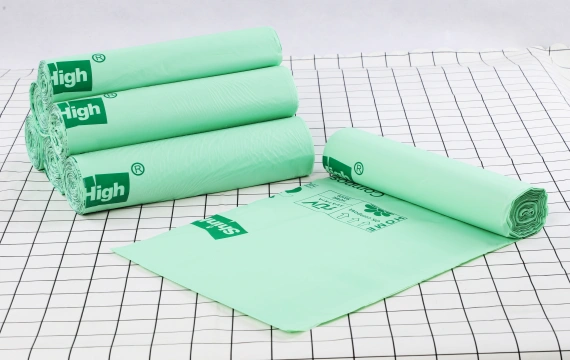
Compostable cups are made from plant-based materials like cornstarch or PLA (polylactic acid). These materials are designed to break down completely in industrial composting facilities, leaving no harmful residues. As a manufacturer focused on sustainable solutions, we ensure our compostable cup lines meet stringent standards like the BPI (Biodegradable Products Institute) certification, offering a truly circular end-of-life option.
3. Reusable Cups
While not disposable, reusable cups made from materials like glass, stainless steel, or bamboo are the most sustainable and health-conscious choice for daily use.
How to Choose a Safer Paper Cup
-
Look for Compostable or PPC-Coated Cups: Opt for cups labeled as “compostable” (preferably with BPI or similar certification) or made with PPC coatings to reduce microplastic pollution and support better end-of-life options.
-
Avoid Bright White Cups: Cups that appear overly white may contain fluorescent brighteners. Choose natural, unbleached options when possible.
-
Check for Certifications: Look for certifications like FSC (Forest Stewardship Council) for sustainable paper sourcing, or BPI for compostability, to ensure the cups meet higher environmental and safety standards.
-
Use Reusable Cups Whenever Possible: Switching to a reusable cup is the best way to reduce waste and avoid exposure to harmful chemicals altogether.
FAQs
Q: Are paper cups safe for hot coffee?
A: Hot liquids can accelerate the breakdown of the plastic liner, potentially increasing the release of microplastics and other chemicals. For hot drinks, using a reusable cup is the safest option.
Q: How can I tell if a paper cup has a plastic liner?
A: Most standard paper cups have a smooth, waxy feeling interior, which is the polyethylene (PE) coating. Truly plastic-free, compostable options will feel different and are often explicitly labeled as “compostable” or “PLA-lined.”
Conclusion
Paper cups may seem like a convenient and safe option, but they come with hidden risks, from microplastics to chemical additives. While alternatives like PPC-coated cups and certified compostable options are steps in the right direction, the healthiest and most sustainable choice remains reusable cups made from glass, stainless steel, or ceramic.
By understanding the risks and making informed decisions, we can enjoy the convenience of paper cups without compromising our health or the environment. Let’s work together to create a future where convenience and sustainability go hand in hand.