



Imagine scooping up a handful of fertile earth. Beyond the rich organic matter and teeming microbes vital for plant life, you’re likely holding something insidious: plastic. Microplastics, fragments of our modern world, are silently accumulating in agricultural soils worldwide, threatening the very foundation of our food system.

The culprit? A significant portion originates from agricultural plastic mulch film. Hailed as a “white revolution”, this thin polyethylene (PE) sheeting became the fourth essential agricultural input after fertilizer, pesticides, and seeds. Its benefits are undeniable: boosting yields by conserving soil moisture, suppressing weeds, regulating temperature, and protecting delicate seedlings – crucial for intensive multi-cropping systems feeding billions.
From Revolution to Pollution Crisis
However, this revolution spawned a toxic legacy: “white pollution.” PE plastic’s incredibly strong carbon-carbon bonds resist natural breakdown for centuries. Retrieving thin, degraded film fragments, especially from small, hilly plots common in many regions, is labor-intensive and costly. Faced with impractical or expensive recovery, many farmers resort to tilling the plastic fragments back into the soil – out of sight, but far from gone.
The consequences are severe:
- Soil Structure Sabotage: Plastic fragments disrupt soil pores, hindering water infiltration, root growth, and nutrient uptake, leading to stunted crops and reduced yields.
- Microplastic Migration: Over time, PE fragments break down further into microplastics, entering the food chain and accumulating in animals and humans, posing significant health risks.
Enter the “Disappearing” Hero: Biodegradable Mulch Film
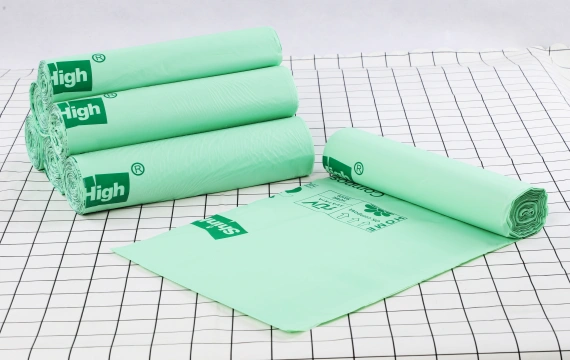
The solution lies in replacing conventional PE with biodegradable mulch films, designed to break down naturally in the soil after use. The star material: Polybutylene adipate terephthalate (PBAT). Unlike PE’s molecular chain, PBAT contains vulnerable ester bonds readily targeted by soil microbes. These microbes secrete enzymes, dismantling PBAT into harmless components like water and carbon dioxide within months under ideal conditions.
Crucially, PBAT isn’t just biodegradable; it’s engineered to match PE’s performance during the growing season – providing strength, flexibility, and the right balance of water retention and breathability.
Degradation Dilemma: How to Control the Time
The magic isn’t just decomposition; it’s controlled decomposition. A film degrading too fast before harvest leaves crops unprotected. Degrading too slowly defeats the purpose. Degradation rates are influenced by:
- Film thickness and formulation
- Local soil temperature and moisture
- Microbial population activity
Understanding these factors allows farmers to select the right film and adjust practices (like planting/covering timing) to ensure the film lasts precisely as long as needed and disappears reliably afterward.
Overcoming Adoption Hurdles
Despite the clear ecological benefits, biodegradable mulch films face barriers, primarily higher cost – often double that of conventional PE film. For farmers operating on thin margins, this is a significant deterrent. Bridging this gap requires:
- Farmer Education & Long-Term Vision: Demonstrating the tangible long-term ROI – healthier soil, sustained yields, reduced future cleanup costs, and premium market opportunities. Highlighting the preventative value of protecting soil health is key.
- Market Incentives for Green Produce: Developing strong markets and premiums for crops grown using sustainable practices like biodegradable mulch films.
- Tailored Technological Solutions: “One-size-fits-all” won’t work across diverse climates, crops, and farming systems. R&D must focus on developing region- and crop-specific biodegradable mulch film formulations with precisely calibrated degradation profiles. Stronger policy support can accelerate this innovation and adoption.
The Future of Farming is Plastic-Free
Biodegradable mulch film represents a critical weapon against the pervasive threat of agricultural plastic pollution. While cost and adaptation challenges exist, strategic investments in farmer support, market development, and targeted R&D can unlock its potential. Transitioning away from persistent plastics isn’t just an environmental imperative; it’s an investment in the long-term health of our soils, our food, and our future. The era of “disappearing” plastic offers a tangible path towards truly sustainable agriculture.
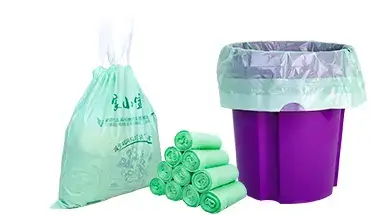
ShinHigh Bio is committed to providing certified compostable masterbatches and mulching films, and looks forward to cooperating with companies that plan to engage in biodegradable plastics and the agricultural sector. Partner with us to turn fields plastic-free. Our customizable biodegradable resins and mulch films empower farms to boost yields and sustainability.
A Genuine Commitment to Soil Health: Be part of the solution, not the pollution
Contact us today to discuss how our biodegradable resins and mulch films can transform your field – and our planet. Our advanced biodegradable resin enables high-performance mulch films that balance durability with eco-safe decomposition—perfect for sustainable agriculture partnerships. Request your free sample!