




From grocery shopping to takeout and everyday shopping, plastic bags are ubiquitous, and so are the problems they pose: they break easily, drift easily, and cast a shadow of environmental doubt.
We all know that plastic pollution is a global problem, but its sheer scale can often feel overwhelming. Hopefully, a real solution begins with a simple substitution: replacing traditional plastic bags with certified compostable bags. Far from a passing environmental fad, this is a necessary transition toward a circular economy.
In this article, based on industry experience and scientific data, we present ten compelling reasons why choosing compostable bags is one of the smartest decisions you can make for the environment, your community, and future generations.
10Compelling Reasons to Make the Switch to Compostable Bags
1. Biodegrade in Months, Not Centuries: Close the Loop on Waste
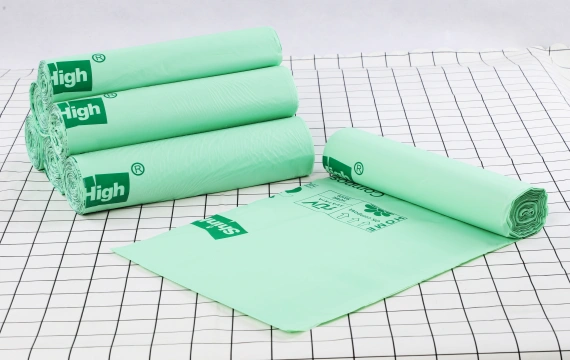
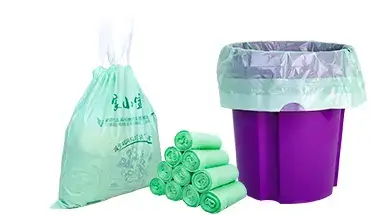
While traditional plastic bags take hundreds of years to decompose, becoming “millennium waste,” certified compostable bags are designed to be returned to nature. In a controlled composting environment, they break down into water, carbon dioxide, and nutrient-rich biomass within months—leaving no microplastics or toxic residues. This truly completes the “from nature, back to nature” cycle, giving waste a new lease of life.
2. Certified Safety: Meeting Rigorous International Standards
Truly compostable bags are not just greenwashing. They must adhere to strict international certification standards such as ASTM D6400 and EN 13432. These stringent standards not only ensure complete decomposition in industrial composting environments but also limit the content of harmful substances such as heavy metals. As a manufacturer, we view certification as a firm commitment to our customers and the foundation of quality and responsibility.
3. Safeguard Wildlife: End the Tragedy of Plastic Ingestion
The images of turtles entangled in plastic and albatrosses accidentally feeding plastic to their chicks are heartbreaking. When animals accidentally ingest plastic, it can cause intestinal blockages and even death from starvation. Eco-friendly compostable bags made from plant-based materials, even if accidentally released into the environment, pose far less of a threat to wildlife than traditional plastics. Choosing them is a concrete step toward breaking the chain of plastic pollution and protecting the diversity of life on Earth.
4. Reduce Litter: Say Goodbye to “Urban Tumbleweeds”
Lightweight plastic bags are a major contributor to “white pollution,” escaping trash cans, becoming tangled in tree branches, clogging drains, and littering our parks. Compostable bags, often made from plant-based materials like PLA and PBAT, are denser and less susceptible to windblown pollution. From neighborhood parks to city streets, reducing the amount of plastic bags floating around directly improves the beauty and hygiene of our shared environment.
5. Protect Your Health: A Defense Against Microplastics
A worrying fact is that microplastics are already in our air, water, and food chain. According to a study by Environment International, the average person may ingest approximately 5 grams of microplastics per week—the equivalent of the weight of a credit card! This isn’t an exaggeration. By choosing compostable bags, you’re reducing this pollution at the source. Their degradation products are water, carbon dioxide, and biomass, not hard-to-remove microplastics, providing added protection for your health and your family.
6. Relieve Urban Stress: Prevent Drainage Clogging
Plastic bags are a major cause of clogged urban drainage systems, exacerbating the risk of flooding and costing municipalities significant costs annually to clean up. Compostable bags, by contrast, break down much faster than traditional plastics once in the environment, significantly reducing the risk of long-term, severe clogs. This effectively alleviates pressure on urban infrastructure and mitigates public safety risks.
7. Shift to Renewables: A Responsible Choice for Earth’s Resources
Most plastic bags are derived from non-renewable petroleum. High-quality compostable bags, on the other hand, are made from annually renewable plant resources like corn and cassava. This fundamental shift from petroleum-based to bio-based packaging reduces reliance on fossil fuels and is a key step toward resource recycling, reducing the carbon footprint of products throughout their lifecycle, and demonstrating a more responsible approach to the planet’s resources.
8. Waste to Wealth: The Science Behind Disappearing Trash
In industrial composting facilities, the right combination of heat, humidity, and microorganisms creates an ideal environment, allowing certified compostable bags and their contents to decompose into nutrient-rich compost within weeks. This process not only diverts waste from landfills but also captures methane, a potent greenhouse gas produced during organic decomposition, converting it into a valuable resource that enriches the soil. As a trusted supplier of compostable bags, we rigorously test our products to ensure they meet international standards, ensuring they seamlessly integrate into this “waste-to-treasure” cycle.
9. The Mark of Trust: Look for Certifications, Not Claims
Not all bags labeled “biodegradable” or “compostable” are truly biodegradable. “Compostable” is a promise that requires scientific verification. “Compostable” is a promise that requires scientific backing, not a marketing slogan. The market is flooded with misleading terms like “biodegradable.” True assurance comes from reputable third-party certification, such as TÜV Austria’s “OK compost INDUSTRIAL” or the BPI mark. These certifications serve as a “passport” for bags, ensuring they can be safely and completely decomposed in industrial facilities. Choosing certified compostable bags is the only way to ensure your environmental investment is paying off.
10. Amplify Your Impact: Lead with Custom Compostable Bags
This is the time to let your commitment to the environment truly shine. Whether you’re a municipality, a business, or an individual, custom compostable bags offer a platform that can be printed with your logo, slogan, or custom colors. This transforms a simple, practical item into a powerful statement and educational tool, amplifying your impact and demonstrating to the world that you’re part of the solution.
What’s special about compostable bags? How do they work?
-
Compostable bags decompose under specific conditions.
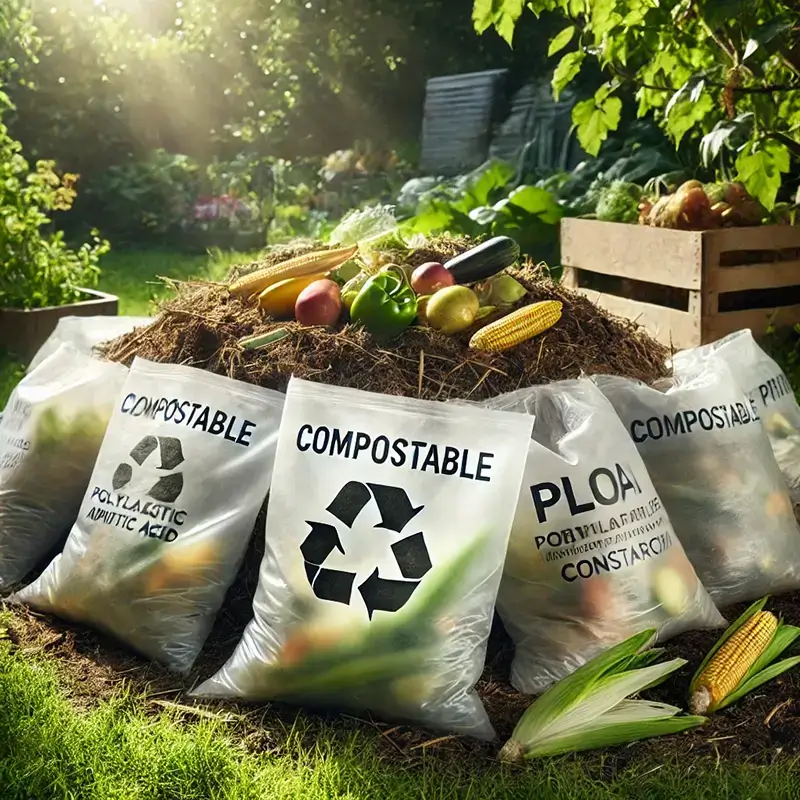
Compostable bags require the high temperatures of industrial composting facilities to effectively break down into carbon dioxide, water, and organic fertilizer, leaving no harmful residue. Home composting often struggles to meet these requirements, and the decomposition process can be slow and uncertain. l
-
Supporting sustainable development.
Compostable bags return vital nutrients to the soil, reducing the need for chemical fertilizers and helping the soil retain water. Sustainability isn’t a fad; it’s the future. By choosing compostable bags, you’re aligning your actions with the global movement toward a circular economy.
-
Creating a future for future generations.
Choosing certified compostable bags and ensuring they enter the right disposal system means much more than just disposing of waste. Every seemingly small act of switching from plastic to compostable bags is a vote for our shared future and an important step towards living in harmony with the planet.
Why trust us?
You are not alone. The global movement is actively building a circular economy. Choosing a compostable bag is not only choosing a product, but also choosing a future. Choosing an experienced and trustworthy manufacturer is the cornerstone to ensuring that your environmental protection investment produces real benefits.
Advantages of choosing Xinhai:
- A compostable bag manufacturer with more than 25 years of experience
- Authoritative certifications, including BPI (ASTM D6400), EN 13432 (industrial composting), and TÜV OK compost HOME and AS 5810 (home composting)
- Experience free samples
- Provide professional, customized compostable bag services