



Tired of contributing to plastic waste with every diaper change? You’re not alone. A growing number of parents and caregivers are switching to compostable diaper bags as a sustainable alternative to traditional plastic bags. This guide delves into everything you need to know about eco-friendly diaper bags, from their composition and benefits to how to choose the best ones.
What Are Compostable Diaper Bags?
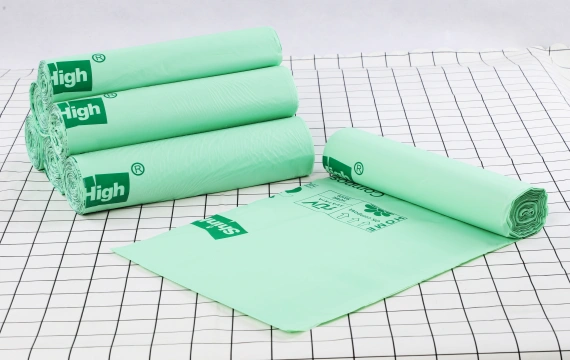
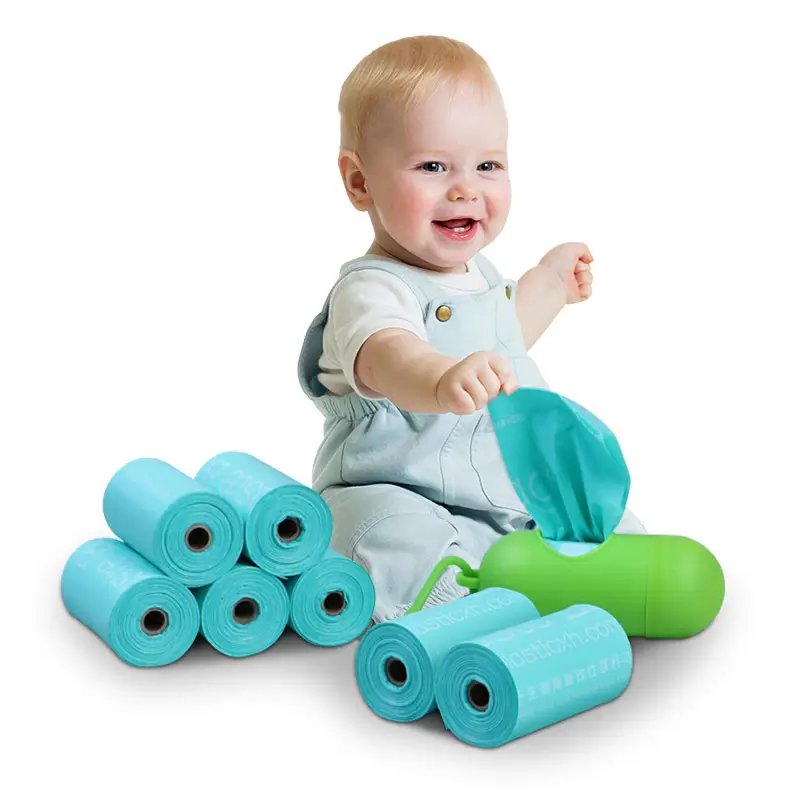
Compostable diaper disposal bags are made of plant-based materials or biodegradable plastic resins. They are designed to decompose into water, carbon dioxide, and biomass in composting conditions within 3 to 6 months. These bags are specifically designed to collect and contain soiled baby and adult diapers. If the diapers are also biodegradable, the bags and diapers can be composted together at industrial composting facilities.
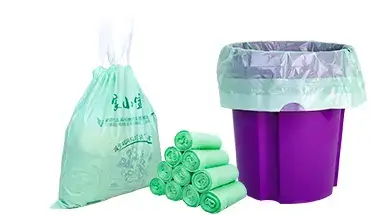
Compostable nappy bags come in various styles, including flat top, tie handle, drawstring closure, and continuous refill bags. Each style offers unique advantages to suit specific needs.
Application Scenarios
These sustainable bags can be used in a wide range of settings, including:
- Home use: For individual use at home or outdoors
- Healthcare facilities: In hospitals, clinics, and nursing homes
- Public restrooms: In supermarkets, shopping malls, and recreational areas
Top 5 Benefits of Using Compostable Diaper Disposal Bags
-
Drastically Reduce Plastic Pollution: By breaking down into harmless organic matter, these bags help mitigate the enduring problem of plastic waste in landfills.
-
Safe Decomposition with No Toxic Residue: Under proper composting conditions, they leave behind no harmful chemicals, enriching the soil instead.
-
A Practical and Hygienic Choice: Many options feature drawstring ties or sealable tops, effectively locking in odor and moisture, making diaper disposal cleaner.
-
Enhanced Brand Image for Businesses: Daycares, clinics, and nursing homes can use custom-printed compostable bags to demonstrate a commitment to sustainability.
-
Cost-Effective in the Long Run: While the initial price is higher, the long-term environmental benefits and potential reduction in waste management costs offer significant value.
Compostable vs. Biodegradable: What’s Best for Diapers?
This is a common point of confusion. Here’s a simple breakdown:
-
Compostable: Requires specific conditions (heat, moisture, microbes) to break down within a set time frame. The result is non-toxic compost. Look for certifications like BPI or TUV Austria.
-
Biodegradable: A broader term meaning materials will break down naturally, but it can take an undefined amount of time and may leave behind microplastics. There is no strict certification.Verdict: For a verifiable environmental benefit, certified compostable bags are the superior choice for diaper disposal.
How Do Compostable Diaper Bags Work?
The decomposition process is a feat of natural science:
-
Microbial Action: In an industrial composting facility, microorganisms consume the plant-based materials in the bag.
-
Optimal Conditions: High temperatures (around 60°C) and controlled humidity accelerate this process.
-
Complete Breakdown: Within 3 to 6 months, the bags are fully converted into water, CO2, and biomass.Important Note: The bags themselves are compostable, but the soiled diaper inside may require separate handling. For the most sustainable approach, pair these bags with biodegradable diapers.
Q&A: Your Compostable Diaper Bag Questions Answered
Q: Can compostable diaper disposal bags be used for other types of waste?
A: Compostable diaper disposal bags are typically designed for soiled diapers. However, on occasion, these bags can still be utilized as common trash bags for dry and wet waste.
Q: How long does it take for compostable diaper disposal bags to decompose?
A: The decomposition time depends on the specific composting conditions, including moisture, temperature, oxygen levels, and microbial activity. In a professional composting facility, these bags can be completely degraded within 3-6 months. Home composting may take significantly longer and may not reach temperatures high enough for complete breakdown.
Q: Are compostable diaper disposal bags more expensive than common plastic bags?
A: Yes. They are generally more expensive due to production costs and innovative technology. From the perspective of long-term environmental benefits, they are a cost-effective choice.
Q: Are compostable diaper disposal bags suitable for all diaper sizes?
A: Of course! Compostable diaper bags are available in a variety of sizes to accommodate different needs. Most manufacturers or suppliers offer custom sizing options.
Q: Can I recycle compostable diaper disposal bags?
A: No, you can’t. These used wet diapers can contaminate the bags, so they are not suitable for recycling but for systematic disposal.
Q: Can I use regular compostable trash bags for diapers?
A: While possible, it’s not ideal. Compostable trash bags are often thinner and may not have the same odor-blocking features as bags specifically designed for diaper disposal, which are more durable and better sealed.
Conclusion: Make the Sustainable Switch Today
Choosing compostable disposable diaper bags is a simple yet powerful step toward reducing your environmental footprint. They offer a convenient, hygienic, and truly eco-friendly solution for managing diaper waste. By making an informed choice, you contribute to a healthier planet.
Ready to explore your options? Visit ShinHigh Bio to discover a range of certified compostable diaper bags suitable for your needs at home or in a professional setting.