



 Why 2026 Will Be a Turning Point for Sustainable Packaging
For years, brands have chased “eco-friendly” labels without asking the harder question: Will this packaging actually be reused, recycled, or recovered?
In 2026, the definition of sustainable packaging is shifting from material-level green claims to system-level performance. Regulators, retailers, and consumers now expect packaging that fits into existing recovery systems, meets Extended Producer Responsibility (EPR) requirements, and proves its impact with verified data—not vague promises.
If your brand sells online, your packaging strategy in 2026 will affect more than your environmental footprint—it will influence compliance costs, customer trust, and long-term profitability.
Here are the five sustainable packaging trends defining 2026 for eco-conscious brands.
1. Circularity Over “Biodegradable” Claims
The biggest shift in 2026 is the move from single-attribute wins (“made from plants”) to circular economy alignment.
Key characteristics of circular-ready packaging:
-
Mono-material design: Paper-only or plastic-only structures that don’t require separation.
-
Recoverability: Can realistically be collected, sorted, and reprocessed in today’s recycling infrastructure.
-
Durability + recyclability: Strong enough for multiple uses, yet recyclable at end-of-life.
2. Recyclable Mono-Materials Become the Default
In 2026, recyclable mono-materials dominate eCommerce packaging:
-
Corrugated cardboard boxes with water-based inks
-
Paper mailers instead of mixed-material poly-paper hybrids
-
HDPE or PET plastic films that are widely accepted for curbside
Why? Because multi-material packaging often ends up landfilled—even if each component is technically recyclable.
Pro Tip: Always check local recovery capabilities before declaring a format “recyclable.”
3. High PCW Content as a Trust Signal
Post-consumer waste content is no longer optional for eco-conscious brands. In 2026:
-
Minimum 30–50% PCW content is becoming a competitive baseline.
-
Certifications like FSC® and GRS back up claims with third-party proof.
-
Shoppers increasingly check packaging labels for recycled content percentages.
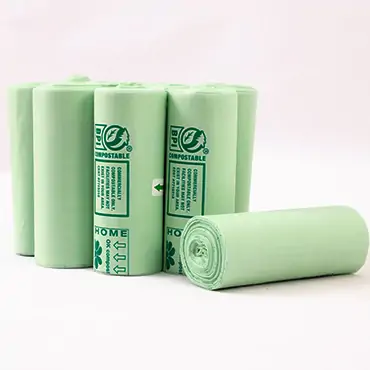
4. The Compostable Reality Check
The industry is finally having an honest conversation about compostables. In 2026, the trend is conditional composting.
-
Industrial vs. Home: Most “compostable” packaging requires industrial facilities, which are scarce. Brands are moving away from promoting compostables unless they can guarantee local infrastructure exists.
-
Contamination Risks: There is growing awareness that compostable plastics can contaminate traditional recycling streams if consumers dispose of them incorrectly.
5. Right-Sizing to Cut Emissions and Costs
-
Lower shipping emissions per order
-
Reduced void fill usage
-
Improved EPR fee efficiency (fees are often weight- and volume-based)
Regulatory Spotlight: EPR and Packaging Compliance in 2026
Extended Producer Responsibility laws are expanding globally. Key implications:
-
Producers pay for end-of-life management based on packaging type, weight, and recyclability.
-
Non-compliant packaging faces fines or restricted market access.
-
Early adoption of recyclable, high-PCW formats reduces long-term risk.
Actionable Checklist: Is Your 2026 Packaging Strategy Future-Proof?
- Designed for mono-material recyclability
- Contains verified post-consumer recycled content
- Avoids unqualified compostable claims
- Right-sized to minimize shipping impact
- Meets EPR requirements in target markets
- Communicates disposal instructions clearly to customers
Final Thought
In 2026, sustainable packaging isn’t about looking green—it’s about performing sustainably within real-world systems. Brands that align with circularity, EPR readiness, and transparent communication will lead the next era of e-commerce packaging.
FAQ
Q: Is compostable packaging really better in 2026?
A: Not always. Compostable packaging only delivers environmental benefits when industrial composting facilities are accessible, and consumers dispose of it correctly. Without these conditions, compostables often end up in landfills or contaminate recycling streams—undermining sustainability goals.
Q: What is EPR packaging compliance, and why does it matter in 2026?
A: Extended Producer Responsibility (EPR) makes brands financially responsible for the collection, sorting, and recycling of packaging after consumer use. In 2026, more countries and U.S. states are enforcing EPR laws, meaning non-compliant packaging can face higher fees, restricted sales, or fines.
Q: How much recycled content should my packaging have in 2026?
A: For most eco-conscious eCommerce brands, the benchmark is 30–50% post-consumer recycled (PCR/PCW) content, with higher percentages preferred where structurally feasible. Using verified sources and certifications (like FSC® or GRS) helps build trust and supports EPR compliance.
Q: Are mono-material packages always recyclable?
A: Mono-materials improve recyclability but aren’t automatically recycled everywhere. The key is to match materials with local recovery capabilities and clearly label disposal instructions so customers know exactly what to do.
Q: How does right-sizing help both sustainability and cost savings?