



For years, “eco-friendly” packaging in the pet industry was a niche selling point. In 2026, it became the entry ticket to the market. With pet parents increasingly viewing their “fur babies” as family members, their purchasing decisions now reflect a deep-seated desire to protect both their pet’s health and the planet’s future.
This shift is powered by a powerful combination: conscious consumers and stringent regulations. The global sustainable pet food packaging market, valued at USD 3.52 billion in 2025, is projected to reach USD 6.08 billion by 2032, growing at a robust CAGR of 8.12%. The result is a complete transformation of pet food and treat packaging. This guide explores the key sustainable packaging trends defining 2026, the innovative materials leading the charge, and the strategic roadmap for brands to thrive in this new, green era.
The 2026 Landscape: Why Sustainable Packaging is Non-Negotiable
-
Conscious Pet Parents: The “pet humanization” trend has reached its logical conclusion. Owners seek the same ethical and environmental standards for their pets’ products as their own. Nearly 30% of U.S. pet owners are willing to pay a premium of 15% or more for sustainable packaging, a figure that jumps to 41% among Millennials.
-
Stringent Regulatory Push: Governments are mandating change. The EU’s goal for 100% recyclable packaging by 2030 under the Packaging and Packaging Waste Regulation (PPWR) is a major catalyst. In the U.S., states like California (SB 54) and Maryland have enacted Extended Producer Responsibility (EPR) laws, making brands financially responsible for the end-of-life of their packaging.
-
The Waste Reality: The environmental impact is staggering. For every ton of pet food sold, approximately 0.35 tons of packaging waste is generated. E-commerce growth has further increased plastic cushioning and mailer usage by 25% annually, highlighting an urgent need for circular solutions.

2026’s Defining Sustainable Packaging Trends
1. Material Innovation: From Bio-Based to Mono-Material
|
Material Category
|
Key Examples
|
Best For
|
Core Benefit
|
|---|---|---|---|
|
PLA/PBAT blends, Cellulose films, Kraft/PLA laminates
|
Dry treats, biscuits, kibble, organic snacks
|
Breaks down into nutrient-rich compost within 90-180 days in industrial facilities. Look for BPI or OK compost certifications.
|
|
|
Recyclable Mono-Materials
|
Mono-PE, Mono-PP
|
Wet & dry food, a wide range of applications
|
Fully compatible with existing recycling streams, simplifying the end-of-life process. Mars’ Whiskas brand achieved a 46% reduced carbon footprint with a new recyclable mono-polypropylene design.
|
|
Bio-Based & Novel Materials
|
Bio-PE (from sugarcane), Agri-waste composites (corn stalk, rice husk + PLA)
|
Various applications, often where carbon footprint reduction is a priority
|
Reduces reliance on fossil fuels. Bio-PE can offer up to 70% lower carbon footprint than traditional PE.
|
|
High-Barrier Functional Materials
|
Vector films (e.g., EHA film), EVOH layers
|
Fresh, frozen, and freeze-dried food requires extreme freshness
|
Provides superior oxygen barrier (e.g., <2% OTR) to lock in nutrients and flavor without using non-recyclable multi-layer structures.
|
2. Smart Systems & Circular Logistics
-
Reuse and Refill Systems: The circular economy is going operational. Brands are piloting return-and-reuse loops for rigid containers, facilitated by urban pickup points and parcel lockers. For example, Purina’s Loop pilot for refillable dewormer cases reported a 72% customer retention rate, signaling strong market readiness .
-
Microfactory Localization: To slash carbon emissions from transportation, forward-thinking brands are leveraging local microfactories. This model shortens supply chains, allows for agile production, and significantly reduces packaging miles, especially for dense urban markets.
-
Smart Functionality: Packaging is getting smarter to reduce waste. Resealable, dose-measuring closures help maintain freshness and prevent overfeeding, while smart labels with temperature indicators can monitor product freshness in real-time.
3. Transparency & Consumer Engagement
-
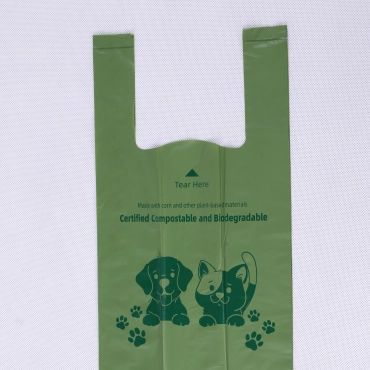
Clear Certification & Labeling: With concerns over “greenwashing,” trusted third-party certifications like BPI Certified and TÜV Austria OK Compost are becoming essential. Products with clear composting or recycling instructions see significantly higher sales—certified product sales increased by about 22% in test markets with proper labeling.
-
Lifecycle Storytelling: Brands are using QR codes and blockchain technology to provide transparency into material sourcing, carbon footprint, and proper end-of-life disposal instructions, turning the package into a storytelling asset.
Challenges and Practical Solutions for Brands
|
Challenge
|
2026 Reality & Strategic Response
|
Solution
|
|---|---|---|
|
Higher Cost
|
Bio-based and advanced recycled materials can currently command a price premium of 2-3x compared to standard virgin plastics. This directly impacts unit economics.
|
Pursue tiered packaging options, absorb costs through strategic retailer partnerships, and leverage scale as production ramps up. The cost gap is expected to narrow by 18-22% by 2025 due to material innovation and increased production capacity.
|
|
Infrastructure Gaps
|
A lack of widespread access to industrial composting or specialized recycling for flexible films remains a significant barrier to true circularity, limiting the effective end-of-life for many sustainable packages.
|
Partner with waste management providers to create take-back programs, actively educate consumers on proper disposal, and advocate for policy-driven infrastructure development. A key tactic is to design for the most widely available end-of-life stream (e.g., home compostable or store drop-off recyclable).
|
|
Performance Concerns
|
Balancing essential barrier properties (oxygen/moisture resistance) for product shelf-life with compostability or recyclability remains a technical hurdle, especially for sensitive, high-fat pet foods.
|
Invest in R&D for advanced bio-polymers and high-barrier mono-material structures. Implement pragmatic hybrid designs (e.g., a compostable inner liner inside a widely recyclable paperboard box) that meet shelf-life requirements while improving end-of-life outcomes.
|
Future-Proofing Your Brand: A Strategic Roadmap
-
Audit and Pilot: Start with a lifecycle analysis of your current packaging. Run a single-SKU pilot using a sustainable alternative—like a mono-material pouch or a compostable liner refill system—and measure key metrics: carbon per SKU, customer adoption rate, and cost impact.
-
Design for Circularity: Prioritize mono-material structures for recyclability or certified compostable materials for organic waste streams. Ensure clear, actionable disposal instructions are on-pack.
-
Explore New Models: Investigate refill-and-reuse systems for your loyal customer base, potentially leveraging subscription models. Assess the feasibility of localized or microfactory production for key markets to reduce transport emissions.
-
Communicate with Integrity: Be specific. Use precise language (“industrially compostable,” “made with 50% recycled content”) and trusted certifications. Educate your customers on the “why” and “how” of your packaging choice.
 Conclusion: The Future is Green and Growing
The trajectory is clear: sustainable packaging is evolving from an added feature to the foundational standard in the pet industry. The brands that will thrive are those viewing packaging not as a cost center, but as a critical touchpoint for brand value, customer loyalty, and planetary responsibility.
The journey involves navigating cost, performance, and infrastructure challenges, but the market demand and regulatory direction offer no alternative. By embracing material innovation, smart systems, and transparent communication, pet companies can significantly reduce their environmental pawprint while building deeper trust with the growing community of eco-conscious pet parents.
Is your brand’s packaging ready for the 2026 standard? The shift towards a circular future is not just coming—it’s already here.