



Ever pulled a full trash bag out of the can, only to feel the dreaded tear and hear the sound of debris scattering across the floor? Or perhaps you’ve bought a box of large bags, but they constantly slip inside the bin, creating a messy, inefficient fit.
Using a trash bag seems simple, but doing it smartly can save you from messes, reduce your environmental footprint, and even cut costs for your business. Whether you’re managing a busy office or just organizing your kitchen, these practical, professional tips will help you get the most out of every liner.
In this guide, we’ll share expert-approved tips for choosing, fitting, and securing trash bags. Additionally, we’ll examine how incorporating compostable bags into your routine can enhance your sustainability efforts without compromising performance.
Getting the Basics Right: Sizing and Selection
Before you even open the box, getting the fundamentals right is half the battle.
How to Choose the Right Size Trash Bag
-
Measure Your Can: Note the height (from bottom to rim) and the circumference/diameter of the opening.
-
The Stretch Factor: A good trash bag should be slightly taller than the can itself. This extra length allows you to fold the excess over the rim, securing the bag and preventing it from sliding down.
-
Avoid Oversizing: While a bigger bag might seem safer, if it’s excessively large, it will bunch up at the bottom, creating weak points where heavy trash can cause tears.
Understanding Bag Thickness (Gauge/Microns)
-
Terminology: Look for measurements in mils (US) or microns (metric).
-
General Guidelines:
-
Light Duty (0.5-0.9 mil): Best for office paper bins or light bathroom waste.
-
Medium Duty (1.0-1.9 mil): Standard for kitchen and general use.
-
Heavy Duty (2.0 mil+): Essential for construction debris, sharp objects, or high-traffic commercial areas.
-
-
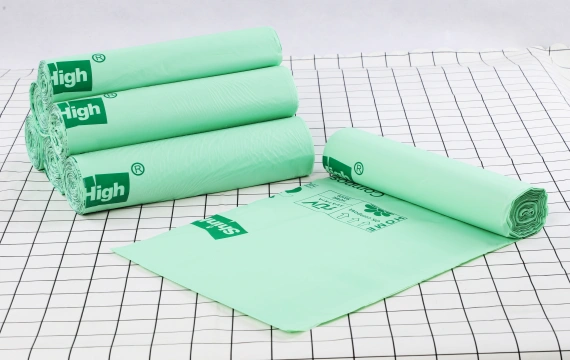
Compostable Note: Modern compostable materials (like PBAT/PLA blends) are engineered for strength. Don’t assume “eco-friendly” means flimsy; look for certified compostable bags rated for your intended use.
Pro Techniques to Prevent Rips and Leaks
A perfectly sized bag is useless if it fails during use. Implement these tactics to reinforce your setup.
The Right Way to Line Your Trash Can
-
Drop and Fluff: Drop the bag into the empty can, letting it fall naturally. Push it down into the corners.
-
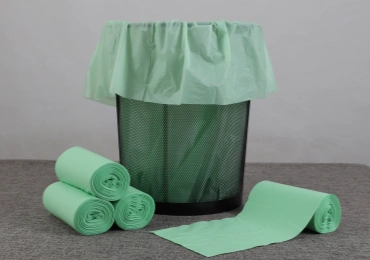
Pull Over the Rim: Pull the bag’s edges evenly over the top rim of the can. Ensure it sits flat against the lip without deep folds.
-
Smooth the Sides: Run your hands around the inside edge to smooth out wrinkles. Wrinkles create thin spots vulnerable to punctures.
Protecting Bags from Sharp Objects
-
Cushion Sharp Edges: Wrap sharp or fragile items in newspaper, old paper towels, or another soft piece of trash before dropping them in.
-
Layer Strategically: Place heavier, softer items (like bags of spoiled vegetables) at the bottom to act as a cushion. Place lighter, crinkly items on top.
-
Double-Bag for Hazardous Waste: For extremely sharp or hazardous waste, consider using two thinner bags instead of one thick one. The inner layer provides a backup barrier.
Balancing the Load: Heavy vs. Light Waste
Secure Closure and Removal Tricks
Getting the bag out intact is just as important as filling it.
How to Tie a Trash Bag Securely (The Overhand Knot Method)
-
Lift the bag out and gather the neck tightly.
-
Twist the gathered neck several times to create a sturdy “stem.”
-
Wrap the twisted stem around your fingers to form a loop.
-
Pull the end of the bag through the loop to create a simple, tight overhand knot. This prevents spills and odors.
Preventing “Vacuum Lock” When Removing Full Bags
-
Break the Seal: Before lifting, press your hand gently against the side of the trash can, pushing inward slightly to break the vacuum seal between the bag and the can wall.
-
Leave Air: Don’t pack trash down too aggressively. Leaving a small air pocket helps the bag retain its shape and slide out easily.
Eco-Conscious Tips: Reduce Usage & Switch Sustainably
Optimizing your technique is the first step toward reducing your environmental footprint.
Tips to Actually Use Fewer Plastic Bags
-
Fill Before Changing: Resist the urge to change the bag daily if it’s only half-full. Designate one primary kitchen bag for non-perishable dry waste that doesn’t smell.
-
Smaller Bins for Desks/Bathrooms: Use tiny, unlined bins or reusable containers for dry paper waste, reserving disposable bags only for wet or smelly garbage.
-
Sort at Source: Keep recyclables and compostables separate. This reduces the volume and messiness of the remaining landfill trash, allowing you to use fewer and smaller bags.
Making the Switch to Compostable Trash Bags
-
Performance Parity: Premium compostable bags are no longer the brittle alternatives of the past. They offer comparable stretch, tear-resistance, and leak protection to traditional plastics.
-
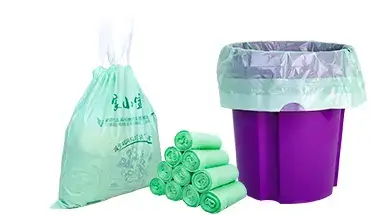
The Right Environment: To realize their full environmental benefit, use compostable bags specifically for organic waste (food scraps, yard trimmings). This allows you to toss the entire bag—contents and all—into a curbside compost bin or home composter.
-
Certification Matters: Look for logos like BPI Certified or OK Compost to ensure the bag will break down efficiently in a composting facility, turning waste into nutrient-rich soil.
Special Considerations for Businesses & High-Traffic Areas
Liner Management for Offices and Retail
- Standardize Can Sizes: Reduce inventory complexity by using uniform trash can models across offices or retail floors. This ensures one bag size fits all, simplifying purchasing and storage.
-
Create a schedule: check and replace liners at set times (e.g., end of day), not just when overflowing.
-
Train staff on proper lining and tying to avoid janitorial callbacks.
Reducing Contamination in Recycling Streams
-
Bags, jam sorting machinery, and contaminated bales of paper/plastic.
-
Keep recycling bins empty or use paper sacks if liners are mandatory. Educate employees clearly with bin signage.
Frequently Asked Questions (FAQs)
A: Not recommended. Even if they look clean, bacteria and odors linger. Reuse only if the bag holds purely dry, non-perishable items like paper.
A: This usually indicates the bag is too big for the can, lacks a secure rim grip, or the can’s interior surface is too smooth. Try pulling more material over the rim, or lightly misting the outside of the empty can with water to create temporary tackiness before inserting the bag.
A: Technically, yes, but environmentally, it misses the point. In a landfill, deprived of oxygen and microbes, a compostable bag behaves much like regular plastic and won’t break down effectively. Their true value is unlocked in a composting system. Prioritize reduction first, then use compostable bags specifically for your organic waste stream.
Conclusion: Work Smarter, Not Harder
Mastering the art of the trash bag is a simple yet impactful life hack. By measuring correctly, distributing weight evenly, and tying securely, you eliminate frustration and reduce unnecessary plastic consumption.
Ready to upgrade your waste management with packaging that works as hard as you do?
At BioPakwell, we engineer high-performance compostable trash bags designed for real-world durability. Our products offer the strength and reliability you need for daily tasks while ensuring your commitment to sustainability doesn’t end at the landfill.
Make every bag count. Explore our range of certified compostable liners and discover the difference quality makes.