



To effectively source premium stretch film for international trade, companies must look beyond the price per roll and carefully evaluate performance characteristics, application-specific requirements, and total cost of ownership (TCO). This guide details the strategic steps for procuring high-performance stretch film.

What is High-Spec Stretch Film?
High-spec stretch film isn’t merely thicker; it’s engineered for superior performance through advanced resin blends, precise manufacturing, and often specialized additives. Key differentiating characteristics include:
Exceptional Load Holding & Puncture Resistance: Withstands significant downward force and resists tearing from sharp corners or protrusions, crucial for heavy, dense, or irregularly shaped pallets (e.g., metal parts, appliances). Gently puncture the stretch film with sharp objects such as pen tips or needles to observe its puncture resistance. Good puncture-resistant stretch film is not easily punctured by sharp objects and can better protect the packaged items.

High Pre-Stretch Capability: Consistent, high elongation (250–350%) is achieved without breaking, allowing more feet to be wrapped per pound.
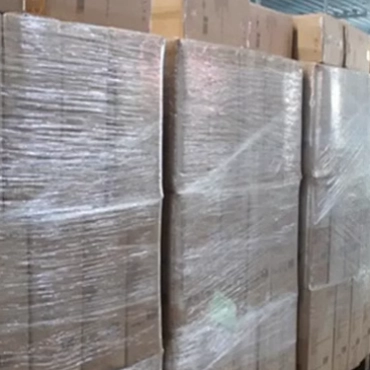
Superior Cling (Tack): Maintains strong, consistent self-adhesion (both film-to-film and film-to-load) over time and across varying temperatures and humidity levels. Prevents film unraveling and load instability.
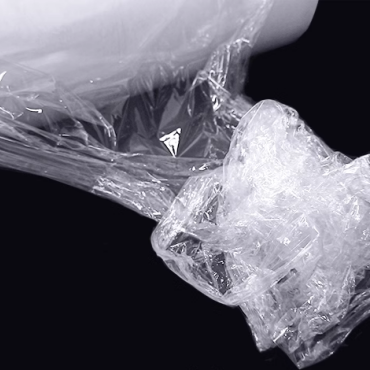
Consistent Gauge & Roll Quality: Precision manufacturing ensures uniform thickness across the entire roll, eliminating weak spots. Tight and stable cores prevent telescoping, ensuring performance in automated systems.
Specialized Stretch Film
Standard Stretch film is cost-effective and versatile, making it suitable for e-commerce applications.
- High-strength film offers high stretchability and impact resistance, ideal for transporting building materials and machinery.
- Moisture Barrier film provides low permeability and moisture/mold resistance, serving the food & beverage and paper products industries.
- Colored Stretch Film features light-blocking properties and theft-deterrent identification, used in electronics and cosmetics packaging.
- Low-Temp Stretch Film maintains performance in -25°C environments, designed for frozen goods transport.
- Anti-Static Stretch Film prevents static buildup and sparks, essential for chip packaging and precision electronics.
- Biodegradable Stretch Film combines eco-friendliness with a low carbon footprint, targeting export trade and European orders.
Application Requirements About Your Stretch Film
Procurement starts with introspection. Precisely define what you need high-spec film:
- Load Characteristics:
Presence of Sharp Edges or Protrusions?
Product Sensitivity (Moisture, dust, UV)? - Wrapping Process:
Manual or Automated Wrapping?
Machine Type & Model (Turntable, rotary arm, orbital)? Machine settings (Force, speed, pre-stretch level)?
Number of Film Layers Applied? Wrap Pattern?
Required Throughput Speed (Critical for automated lines)? - Storage & Transportation Environment:
Duration of Storage (Days, weeks, months)?
Indoor/Outdoor? Exposure to Sunlight, Rain, Extreme Heat/Cold?
Transportation Mode (Truck, ship, rail)? Likelihood of Shock/Vibration? - Secondary Requirements:
Sustainability Goals (Recycled content, recyclability)?
Visibility Needs (Barcode scanning, product display)?
Budget Constraints (Understanding TCO vs. upfront cost)?
Establishing Specifications
Translate your application needs into concrete technical parameters for suppliers. Key specs include:
- Gauge: Measured in microns (µm) or mils. High-spec films achieve strength at lower gauges (e.g., 12-17µm vs. 20-25µm for standard) via better resins. Don’t assume thicker is always better.
- Width: Must precisely match your wrapping machine requirements.
- Core Size & Type: Standard core diameters (3″ or 1″ are common), core quality (paperboard strength, flush ends).
- Length/Yield: Total meters/feet per roll. Critical for calculating cost-per-pallet.
- Pre-Stretch Performance: Guaranteed Minimum Pre-Stretch %: (e.g., 250%, 300%).
The Procurement Process of High-Spec Stretch Film
Finding suppliers capable of consistently delivering true high-spec film is crucial. Look beyond basic stretch film manufacturers. Target suppliers with a proven track record in performance stretch films. They invest in R&D and advanced extrusion capabilities.
- Seek industry recommendations. Ask potential suppliers for references from companies with similar demanding applications (e.g., automotive, aerospace, heavy industry, cold storage).
Require Samples & Data Sheets: Never buy high-spec film blind. Obtain samples matching the quoted specs. Scrutinize the technical data sheets (TDS) – they should be comprehensive and verifiable.
- Lab Testing: If possible, test samples in a third-party lab against the quoted specs (Break Strength, Tear, Puncture, Cling).
- Machine Trials: Run samples on your wrapping machines with your typical loads.
Evaluate wrap quality and load containment immediately after wrapping.
Conduct Sustained Load Holding Tests: Wrap pallets and store them under typical conditions. Assess containment force loss over hours/days/weeks. Does the load shift or become unstable?
Total Cost of Ownership (TCO) Analysis: High-spec film often has a higher upfront cost but delivers savings through:
- Reduced Film Consumption: Higher pre-stretch = more pallets wrapped per roll.
- Reduced Product Damage: Superior load holding prevents shifting and damage, saving on product loss, returns, and claims.
- Reduced Labor Costs: Less re-wrapping, fewer machine stoppages due to film breaks.
- Reduced Waste: Less film used per pallet, potentially less waste from damaged goods.
- Higher Throughput: Consistent performance on automated lines minimizes downtime.
Calculate cost-per-pallet wrapped or cost-per-unit-of-load-security for a true comparison.
The Cost of Compromise
A major appliance manufacturer switched from a high-spec film to a cheaper “premium” alternative promising similar specs. Initial savings were significant. However, within months:
- Film breaks on automated wrappers increased by 25%, causing production line stoppages.
- Pre-stretch consistency dropped, increasing film usage by 15%, negating material cost savings.
- Load failure rates during transit rose by 8%, leading to substantial product damage costs and customer complaints.
- Labor costs increased due to more re-wrapping and machine troubleshooting.
The total incurred costs far exceeded the initial savings, forcing a rapid return to true high-spec film. The TCO of the cheaper option was demonstrably higher.
Conclusion
Procuring high-specification stretch film is a strategic investment in supply chain integrity, efficiency, and cost control. It demands a proactive approach focused squarely on performance and total cost of ownership, rather than just the sticker price per roll. By meticulously defining requirements, understanding the underlying technology, rigorously qualifying suppliers, and testing products, procurement professionals can secure the film that truly protects their valuable goods, optimizes their wrapping operations, and ultimately contributes to their company’s bottom line and reputation for reliability. In the high-stakes world of logistics, cutting corners on stretch film is a false economy; investing intelligently in high-spec is a cornerstone of operational excellence.