



Sustainable packaging film isn’t just a buzzword anymore; it’s a core business principle. For years, traditional plastics have been the go-to, but their environmental toll is becoming impossible to ignore. This is where biodegradable stretch film steps into the spotlight, offering a responsible path forward.
But making the switch isn’t as simple as just swapping one roll for another. There’s a surprising amount to consider. How do you know you’re picking the right biodegradable stretch wrap?
Why Your Business Needs an Eco-Friendly Stretch Film Solution?
The sheer volume of plastic wrap that ends up in landfills takes centuries to break down. It’s a massive environmental headache. Biodegradable stretch film presents a solution. By opting for an eco-friendly stretch wrap, you’re not just making a green choice; you’re aligning your brand with the values of a growing number of environmentally-conscious consumers. It’s a move that can enhance your brand image and demonstrate a real commitment to sustainability.
What is Biodegradable Stretch Film?
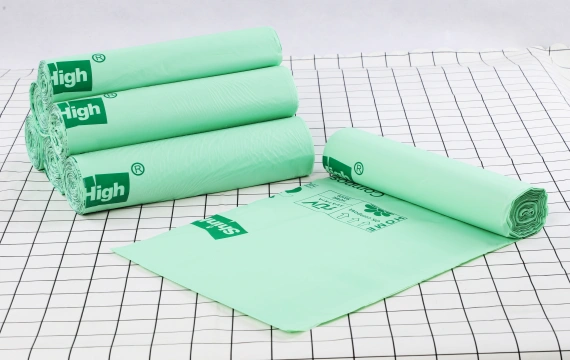
Unlike traditional films made from petroleum-based plastics like polyethylene, biodegradable stretch films are often created from renewable, plant-based materials. These materials are designed to be broken down by microorganisms into natural elements like water, carbon dioxide, and biomass. This process reduces landfill waste and lowers the carbon footprint associated with production and disposal.
How to Choose the Right Biodegradable Stretch Film?
Key Factors to Consider When Selecting Your Biodegradable Stretch Wrap?
Choosing the best biodegradable stretch film is not just about being green; it’s about performance.
- Film Strength and Durability: Although the film is biodegradable, its tensile strength and puncture resistance are indispensable. Modern biodegradable films have made huge strides and can offer performance comparable to their traditional counterparts. You need to ensure the film can provide the load stability required for your specific products.
- Film Thickness (Gauge): The right gauge depends entirely on your load. Light, uniform pallets might only need a thin film (up to 20 microns), which can also lead to cost savings. Heavier or irregularly shaped loads will demand a thicker, more robust film.
- Stretchability and Cling: How much can the film stretch before it breaks? This is crucial for both manual and machine applications. A higher stretch percentage, sometimes up to 550%, means you use less material to wrap a pallet, which is great for your bottom line. Good cling ensures the film adheres to itself, creating a secure and stable wrap without extra adhesives.
- Biodegradation Timeframe: Some films are designed to break down in a matter of months under specific conditions, while others might take a few years. Understand the expected timeline and what conditions are needed for it to happen.
- Certifications and Standards: This is how you avoid “greenwashing.” Look for recognized certifications to verify a product’s claims. Key standards to know are ASTM D6400 in the U.S. and EN 13432 in Europe.
A Practical Guide to Using and Disposing of Your Eco-Friendly Stretch Film
Best Practices for Applying Biodegradable Stretch Film
Whether you’re wrapping by hand or using a machine, the principles are similar. Start by securing the film to the base of the pallet. As you wrap, overlap each layer by about 50% to ensure stability and prevent load shifting. Maintain consistent tension throughout the process. If you handle 15 or more pallets daily, a stretch wrapping machine is a better choice, as it enhances efficiency and reduces film usage.

Proper Disposal of Your Sustainable Stretch Wrap
You can’t just toss this film in any thin. Proper disposal is key to unlocking its environmental benefits.
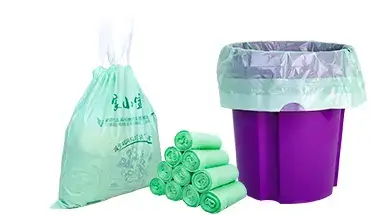
Certified Compostable Films: These belong in an industrial composting facility. These facilities create the perfect hot, microbial-rich environment for the film to break down effectively.
Other Biodegradable Films: Disposal instructions might vary. Some may break down in a landfill, while others might have different requirements. Always check with the manufacturer and your local waste management services for the correct disposal method.
Some biodegradable films made from LLDPE with certain additives can even be recycled, but you must confirm with your local recycling facility if they can handle it.
Business Benefits Beyond the Green Label
Switching to sustainable stretch film is more than just an environmental talking point. It’s a smart business move.
It shows your customers and partners that you’re a forward-thinking company, which can seriously boost your brand image and build trust. Furthermore, it helps you stay ahead of tightening environmental regulations. While some eco-friendly films might have a higher upfront cost, they can lead to savings through reduced material usage and lower waste disposal fees.
Conclusion
Choosing the right biodegradable stretch film doesn’t have to be complicated. It’s about understanding your needs, knowing what to look for, and committing to proper disposal. By weighing factors like strength, thickness, and certified standards, you can find a sustainable pallet wrap that protects your products and the planet. It’s a choice that reflects responsibility, enhances your brand, and positions your business as a leader in a greener future.
FAQs
1. What are the main materials used to make biodegradable stretch wrap?
Most biodegradable and compostable stretch wraps are made from renewable resources like plant-based materials (e.g., corn and sugarcane), PLA (polylactic acid), and PBAT (polybutylene adipate terephthalate). Some may also use materials like PHA (polyhydroxyalkanoate).
At ShinHigh Bio, we utilize PBAT polymer to produce our stretch wrap film, offering excellent durability and strength for pallet and goods wrapping.
2. Is biodegradable stretch film as strong as traditional plastic stretch film?
Advancements in biopolymer technology have led to high-quality biodegradable stretch films that offer comparable performance in terms of strength, durability, and load containment to traditional films. It is important to select the correct thickness and grade for your specific application to ensure optimal performance.
3. Can I use biodegradable stretch film with my existing wrapping machine?
In most cases, yes. Biodegradable stretch films are designed to be versatile and can typically be used for both manual and machine applications without requiring special equipment. However, it’s always a good idea to check the manufacturer’s recommendations for optimal tension settings and performance.