



Introduction: The Daily Dilemma in Your Kitchen
You’re packing yesterday’s pasta for lunch. Do you grab the glass container that you’ll have to carry carefully, or the lightweight plastic tub that might make your lunch taste… different? At the grocery store, you reach for tomato sauce. Do you choose the classic glass jar or the squeezable plastic bottle?
Every day, we face a small but significant choice: glass vs. plastic for food packaging. It’s a decision that touches on health, convenience, budget, and environmental impact. But with so much conflicting information, how do you make a smart, responsible choice?
This guide cuts through the confusion. We’ll move beyond simplistic “good vs. bad” labels and provide a clear, balanced comparison across the four key factors that matter most: health & safety, freshness & quality, environmental impact, and cost & convenience. Let’s break it down.
Head-to-Head: The Core Comparison
|
Feature
|
Glass
|
Plastic (Conventional)
|
Compostable (e.g., PLA, Bagasse)
|
|---|---|---|---|
|
1. Health & Safety
|
Inert material. No chemical leaching. Generally, microwave, oven, and dishwasher-safe.
|
Varies by resin type. Risk of chemical migration with heat, acids, or oils. Only microwave if labeled safe.
|
Typically made from plants (corn, sugarcane). BPA-free and food-safe. Generally NOT heat-resistant; not for microwave or oven.
|
|
2. Freshness & Quality
|
An impermeable barrier to air and moisture. Prevents flavor transfer. Best for long-term storage.
|
Semi-permeable. Can allow odors in/out. May cause food to dry out or absorb smells.
|
Similar to conventional plastic. Provides a good short-term moisture barrier but is not designed for long-term storage (months).
|
|
3. Environmental Impact
|
Made from abundant materials. Infinitely recyclable without quality loss. Heavy, high transport emissions.
|
Made from fossil fuels. Lightweight but has very low recycling rates; it creates microplastic pollution.
|
Can break down in commercial composting facilities, turning into water, CO2, and biomass. Requires specific industrial conditions to decompose.
|
|
4. Cost & Practicality
|
Higher upfront cost. Heavy and breakable. Extremely durable and long-lasting.
|
Lower upfront cost. Lightweight and shatter-resistant. Prone to staining and has a shorter lifespan.
|
Often the most expensive option. Lightweight but can lack durability, especially when wet or greasy. Shelf life can be limited.
|
1. Health & Safety
Glass is the clear winner for purity. It is an inert material, meaning it doesn’t react chemically with its contents. You’ll never have to worry about chemicals leaching from the packaging into your food or drink, even with acidic items like tomato sauce or hot, oily foods. Most glass is also heat-safe, allowing you to use it for storage, freezing, microwave heating, and oven cooking without a second thought.
Plastic is more complex. Its safety depends heavily on the resin type, indicated by the recycling number inside the triangle. Safer choices for food include #2 (HDPE), #4 (LDPE), and #5 (PP). The primary concern is chemical migration—potentially harmful compounds like BPA or phthalates can seep into food, especially when the plastic is heated, scratched, or in contact with fatty or acidic foods. Never microwave a plastic container unless it is explicitly labeled as microwave-safe.
2. Freshness & Food Quality
Glass provides a perfect, non-porous seal against air and moisture. This makes it the undisputed champion for preserving flavor and preventing spoilage. It blocks outside odors from seeping in and locks strong food smells (like curry or garlic) inside the container. This is why premium items like pickles, olive oil, and spices are so often sold in glass—it guarantees taste integrity.
Plastic, even high-quality versions, is slightly gas-permeable. Over time, oxygen can get in, leading to oxidation and staleness (noticeable in dry goods like crackers). It can also absorb strong odors and flavors, which is why your plastic tub might forever smell like last week’s chili. For short-term storage, this is fine, but for long-term quality, glass is superior.
3. Environmental Impact
Glass boasts the advantage of being infinitely recyclable. A glass bottle can be crushed, melted, and reborn as a new bottle endlessly without degrading in quality. However, its production requires very high temperatures, which is energy-intensive. Its heavyweight also means higher fuel consumption and emissions during transportation. Its environmental payoff increases dramatically the more times it is reused and recycled.
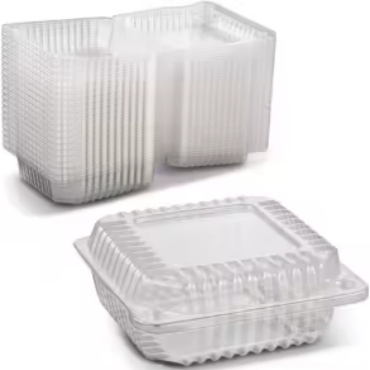
Plastic’s environmental burden is front-loaded and back-loaded. It’s derived from non-renewable fossil fuels. While its light weight saves energy in shipping, the end-of-life story is problematic. Global recycling rates are dismally low. Most plastic ends up in landfills, incinerators, or as pollution, where it breaks down into persistent microplastics. Even when recycled, it’s typically “downcycled” into lower-grade products.
4. Cost, Weight & Practicality
Glass tends to have a higher initial price. Its significant weight and fragility are its main practical drawbacks—dropping it usually means breakage, and it adds weight to a lunch bag. The trade-off is its exceptional durability; a glass jar won’t warp, stain, or degrade with proper care, making it a “buy-it-for-decades” item.
Plastic wins on immediate cost and convenience. It’s cheap, feather-light, and virtually unbreakable from drops, making it ideal for lunchboxes, picnics, and use by children. The downside is that it scratches and stains easily, often shortening its useful life. Over time, repeatedly replacing cheap plastic may negate its initial cost advantage compared to a long-lasting glass container.
Which Should You Choose for Your Situation?
Scenario 1: For Long-Term Storage & Maximum Freshness
-
Examples: Homemade jam, pickles, dried herbs and spices, bulk dry goods (flour, rice), homemade baby food, broth, salad dressings, leftover sauces.
-
Why Glass Wins: Glass’s impermeable barrier is unmatched. It completely blocks air and moisture, the two main culprits of spoilage and staleness. It also prevents flavor transfer—your coffee beans won’t taste like garlic, and your delicate spices retain their pure aroma. For preserving quality over weeks or months, glass is the uncontested champion.
Scenario 2: For Daily Use & Portability
-
Examples: Lunchboxes for work/school, reusable water bottles, on-the-go snack bags, kids’ cups and plates, picnic supplies.
-
Why Plastic Wins Here: The winner is lightweight and shatterproof safety. A glass container in a packed lunch bag adds significant weight and carries a risk of breakage. High-quality plastics like polypropylene (#5) or Tritan are tough, lightweight, and perfect for active lifestyles. Look for BPA-free labels and sturdy construction.
Scenario 3: For Heating & Cooking
-
Examples: Microwave reheating, oven baking, freezer-to-oven meals, sous vide cooking.
-
The Critical Rule: Heat dramatically increases the potential for chemical migration from plastic into your food. Unless a plastic container is explicitly and clearly labeled as “Microwave Safe” or “Oven Safe,” never use it for heating. Even then, heat can cause wear. Tempered glass (like Pyrex) is designed to withstand thermal shock and is the safest, most versatile choice for all heating applications.
Scenario 4: For a Sustainable Lifestyle
-
The Guiding Principle: The most eco-friendly container is the one you already own. Reusing any container dozens of times is far superior to single-use or frequent recycling.
-
Glass vs. Plastic for Reuse: Glass has a longevity advantage. It doesn’t stain, warp, or degrade with washing, meaning a single glass jar can be reused virtually forever. A sturdy plastic container can also have a long life, but it may eventually scratch or become stained. Your goal should be to build a set of durable containers (of either material) and use them until they wear out, then recycle them properly.
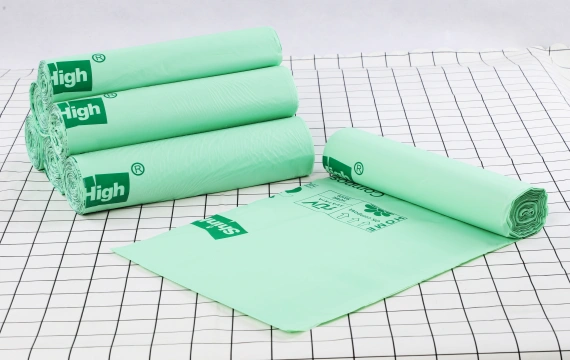
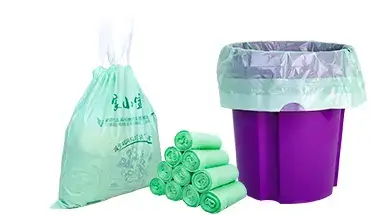
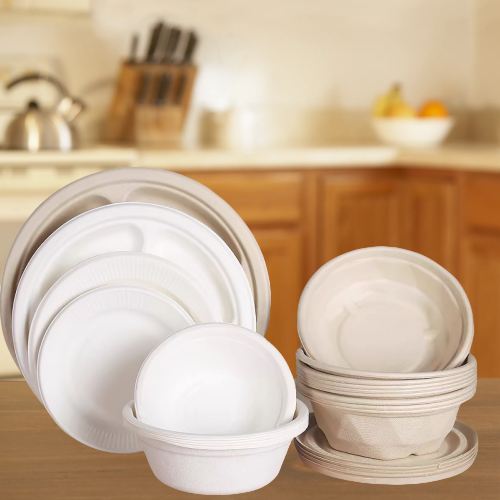
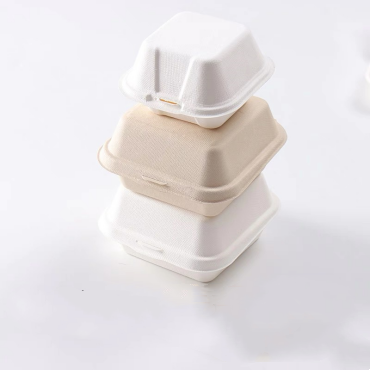
- Certified compostable tableware is the ideal choice for large gatherings, picnics, takeout from restaurants with composting programs, or for collecting food scraps—when you need the convenience of single-use but want to significantly reduce your environmental impact. For genuine eco-benefit, look for certifications like BPI (US) or OK compost INDUSTRIAL (EU), and ensure you have access to a commercial composting facility for proper disposal.
Common Myths and FAQs
Myth 1: All plastic contains BPA and is unsafe.
This is an oversimplification. “BPA-free” became a marketing buzzword, but it doesn’t automatically mean “safe forever.” Some BPA substitutes (like BPS) may have similar effects. The key is to be a savvy consumer. Check the resin code on the bottom. Generally, #2 HDPE, #4 LDPE, and #5 PP are considered safer choices for food contact. More importantly, never heat plastic (microwave, dishwasher top rack) unless it’s explicitly labeled for it, as heat accelerates chemical migration.
Myth 2: Glass packaging is always more eco-friendly than plastic.
The environmental story is complex. While glass is infinitely recyclable, its production is extremely energy-intensive. A single-use glass bottle that is recycled still carries a significant carbon footprint from its creation and transportation. A durable, reusable plastic container that replaces hundreds of single-use bags might have a lower total impact. The golden rules? 1) Reuse beats single-use every time. 2) Weight and distance matter—locally produced goods in lightweight packaging can have a lower transport footprint. The most eco-friendly option is the durable container (glass or sturdy plastic) that you reuse for years.
FAQ: How do I clean plastic containers to remove stubborn stains and smells?
-
The Baking Soda Paste: Make a paste with baking soda and water, scrub the interior, and let it sit for an hour before washing.
-
The Sunshine Treatment: After washing, leave the damp container in direct sunlight for a few hours. UV rays are excellent at neutralizing odors.
-
The Lemon or Vinegar Soak: Soak the container in a mixture of water and white vinegar or lemon juice for several hours or overnight. Then wash as usual.
Conclusion: Making Your Informed Choice
There is no single “perfect” material. The glass vs. plastic debate is about choosing the right tool for the job, based on your priorities in the moment.
-
Choose GLASS for Health & Preservation: When your top priorities are chemical-free storage, maximum food freshness, and the ability to heat or cook directly in the container.
-
Choose SAFE PLASTIC for Convenience & Portability: When you need something lightweight, shatterproof, and ideal for lunchboxes, travel, or use by children.
- Choose CERTIFIED COMPOSTABLES for Eco-Friendly Disposables (where facilities exist).
-
Choose REUSE for the Planet: No matter what material you choose, the single most impactful action you can take is to use it again and again. Finally, always recycle correctly at the end of its life.