



More Than Just a Sandwich Bag
When you reach for a sandwich bag, you’re faced with more choices than ever. From classic Ziplock sandwich bags to eco-conscious reusable options, the choices can be overwhelming. This guide cuts through the confusion, helping you understand why a compostable ziplock bag made from materials like PLA represents the perfect balance of convenience and sustainability.
What Makes a Bag Truly Compostable? The PLA Advantage
Compostable vs. Reusable vs. Traditional: A Detailed Comparison
We compared the most common types of sandwich bag options to help you make an informed choice.
|
|
|
|
|
|---|---|---|---|
|
|
|
|
|
|
|
|
|
|
|
|
|
|
|
|
|
|
|
|
Why Choose a Compostable Ziplock Bag? 4 Key Benefits
-
Eco-Friendly from Start to Finish: Unlike regular sandwich bag options that contribute to plastic pollution, a compostable ziplock bag made from PLA decomposes within months in industrial composting facilities, leaving no harmful residues. -
Uncompromised Convenience: Get the same reliable seal and freshness protection you expect from a Ziploc sandwich bag, but with a clear eco-consciousness. These bags are perfect for lunches, snacks, and freezer storage. -
Safe for Your Family: Free from harmful chemicals like BPA, these bags ensure your food remains uncontaminated. This makes them a safer alternative to some reusable sandwich bags that may contain plasticizers. -
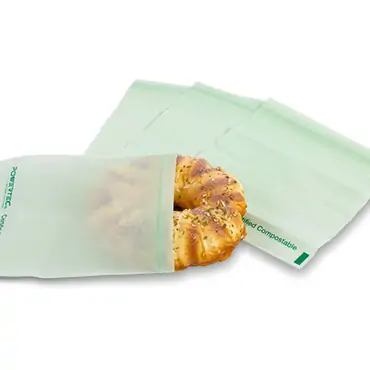
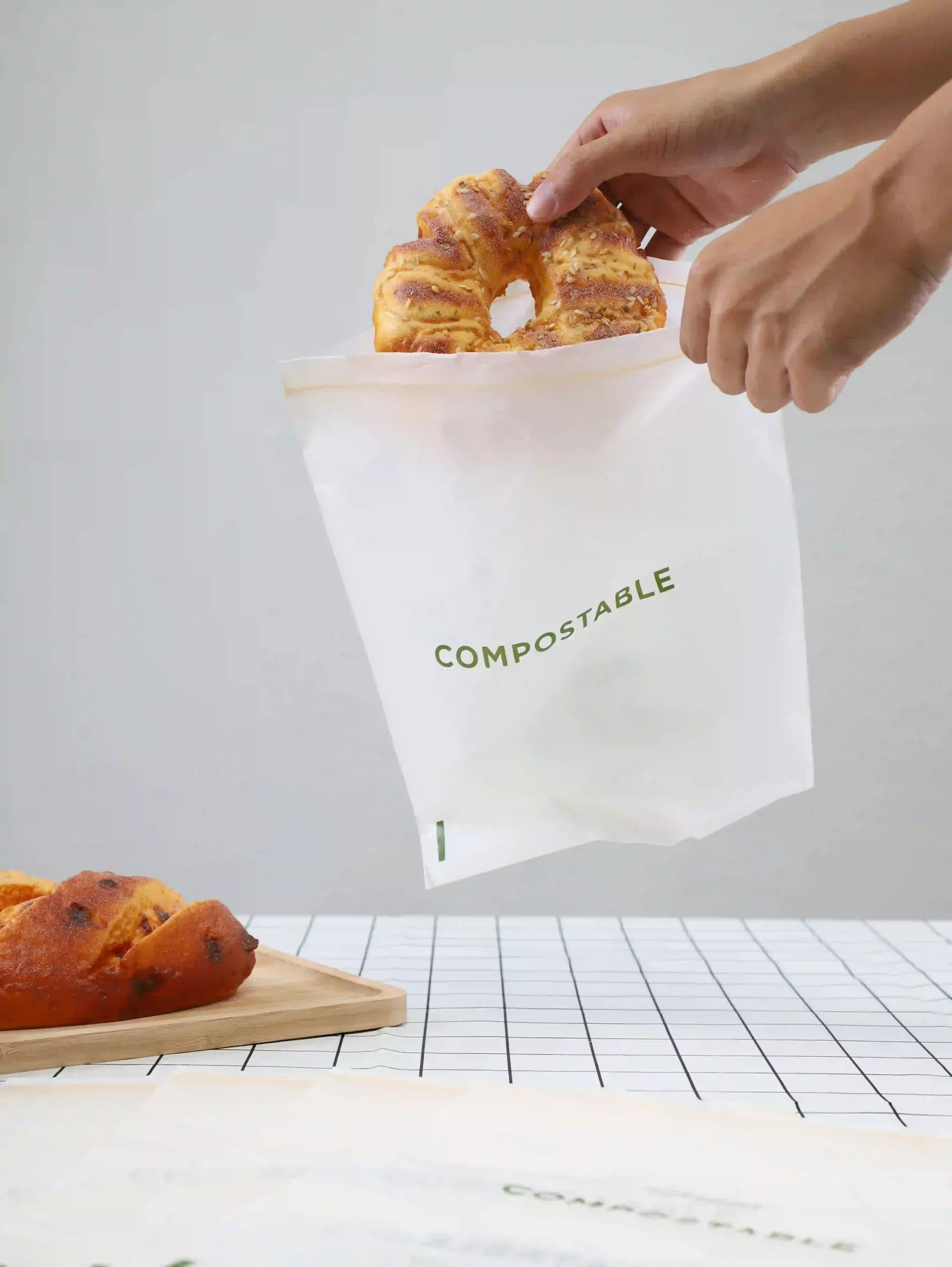
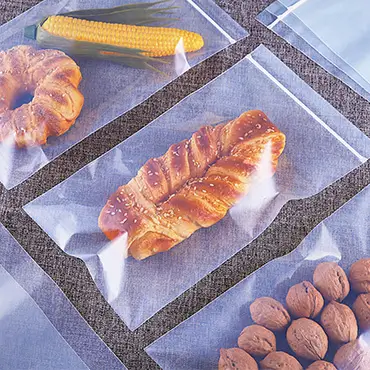
Beyond Sandwiches: Incredible Versatility: Your Compostable Ziplock Bag for Storing Fruits, Vegetables, Nuts, Baked Goods, and Even Non-Food Items Like Travel Toiletries.
How to Properly Use and Dispose of Compostable Bags
-
Check for Certifications: Look for BPI or OK compost INDUSTRIAL labels -
Use Industrial Composting: Most PLA-based bags require industrial composting facilities -
Avoid Contamination: Don’t mix with recycling—this disrupts the recycling stream -
Consider Home Composting: Some advanced PLA formulations are suitable for home composting
Making the Switch: Your Action Plan
-
Start with one package to test performance -
Research local composting options in your area -
Educate household members about proper disposal methods -
Share your experience to encourage others to make the switch
The Future of Food Storage
Next time you pack a lunch, ask yourself: Is the convenience of a traditional sandwich bag worth the environmental cost? The solution is simpler than you think.