



If you’re in the business of shipping, warehousing, or manufacturing, you’ve probably felt the pressure mounting. It’s not just about getting products out the door anymore; it’s about how you do it. Sustainability has moved from a buzzword to a boardroom agenda item. And right at the heart of the packaging world, a quiet battle is raging: compostable stretch film versus the traditional stalwart.
That trusty industrial stretch film has been securing pallets for decades. But what if there was an alternative that didn’t linger in landfills for centuries? Let’s peel back the layers on this complex choice.
Raw Materials Source
Differences between compostable and traditional stretch film begin with what these films are made of.
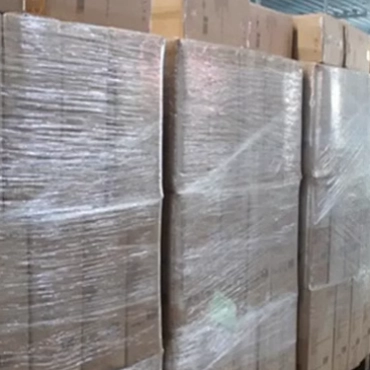
Traditional stretch film is almost always made from Linear Low-Density Polyethylene (LLDPE). This is a petroleum-based plastic, meaning its journey starts deep underground as a fossil fuel. It’s a non-renewable resource, and the process of extracting it from the ground and converting it into a roll of film is quite energy-intensive.
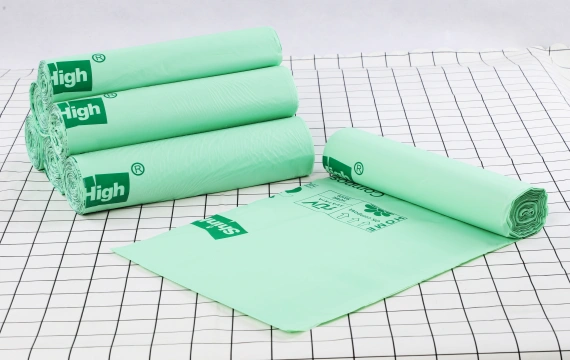
On the flip side, compostable stretch film comes from a much more wholesome place. It’s typically made from plant-based polymers, like Polylactic Acid (PLA), which is sourced from fermented corn starch, sugarcane, or other biomaterials. Some films also incorporate Polybutylene Adipate Terephthalate (PBAT), a compostable copolymer. The key here is the origin: these are renewable resources that pull carbon from the atmosphere as they grow.
Physical Properties
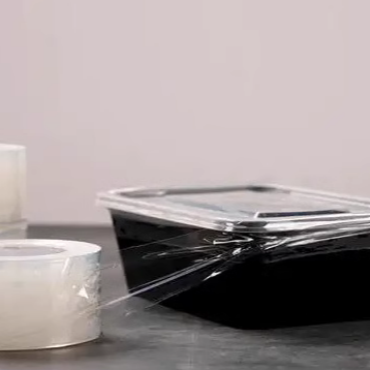
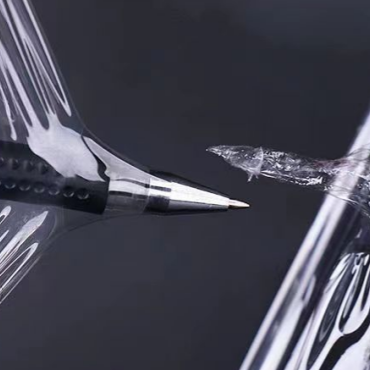
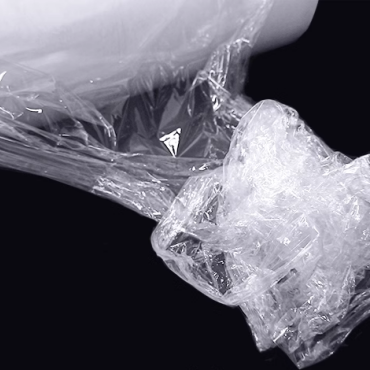
- Elastic Performance & Puncture Resistance: Traditional LLDPE film is a beast in this department, known for its incredible strength, durability, and ability to stretch up to 300% without breaking. It’s tough and reliable to wrap pallets or larger items. Many modern compostable films now offer comparable performance, with some boasting a stretch of up to 550% and excellent tear resistance. While some might still be slightly less durable than their plastic counterparts, the gap is closing fast.
- Stickness (Cling): Both film types are designed with great self-adhesive properties to ensure they stick to themselves and not your products. This creates that secure, tight wrap you need to keep loads stable.
- Transparency: You need to see what’s on the pallet, right? Traditional films offer excellent clarity, making barcodes and labels easily scannable. Compostable wrapping films have also achieved good transparency, so you’re not losing functionality.

- Barrier Properties: Both films do a solid job of protecting your goods from moisture, dust and other environmental factors during shipping and storage.
Environmental Impact of Compostable and Traditional Stretch Film
Traditional Stretch Film: It has a clear and heavy downside: its end-of-life. After its short life securing a pallet, it’s off to the landfill, where it will sit for hundreds of years. As it slowly degrades, it breaks down into harmful microplastics that contaminate our soil and water. While LLDPE stretch film is technically recyclable, the reality is that very little of it actually gets recycled due to contamination and a lack of proper facilities.
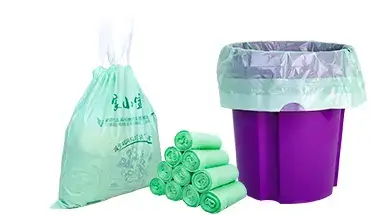
Compostable Stretch Film: On the other hand, compostable stretch film is designed for a different end-of-life. Under the right conditions in an industrial composting facility, it can break down completely into water, carbon dioxide, and biomass in about 6 months. No microplastics, no long-term pollution. It’s part of a circular system, returning to the earth instead of just sitting in a dump. But it needs to get to the right facility. If it ends up in a landfill without oxygen, it may release methane, a potent greenhouse gas.
Cost Comparison
Compostable Stretch Film: The initial cost is generally higher. The raw materials and more complex production processes mean you’ll likely pay more per roll. However, some of that cost can be offset down the line. How? By potentially reducing your waste management and landfill disposal fees.
Traditional Stretch Film: This is the more budget-friendly option upfront. The infrastructure for producing petroleum-based plastics is well-established, making it cheaper to manufacture. The catch is the potential for rising disposal costs as regulations around plastic waste tighten.
While compostable film might look pricier on the invoice, thinking about the total of ownership—including disposal—can make it a more competitive option. For many companies, the premium for compostable film is an investment in their green branding and long-term sustainability goals.
Conclusion
Choosing between compostable and traditional stretch film isn’t just about picking a product; it’s about aligning with your company’s goals.
Traditional wrap film is a reliable, low-cost option. It gets the tasks done, no questions asked.
Compostable stretch wrap film is the forward-thinking choice. It’s a statement that your business is serious about sustainability. While it might come with a higher initial price tag and require a bit more thought about proper disposal, it offers a powerful environmental upside. For businesses looking to enhance their brand reputation and meet corporate sustainability targets, it’s an increasingly attractive option.
The choice is yours, but it’s clear that sustainable stretch film is no longer a fringe product. It’s a high-performance, eco-conscious alternative that’s ready for the big leagues.
FAQs
1. Is compostable stretch film as strong as traditional plastic film?
Generally, not yet. While improving rapidly, most compostable stretch films have lower puncture resistance and elasticity than high-performance LLDPE films. They are often better suited for lighter, uniform loads rather than heavy or sharp-edged pallets.
2. What’s the real difference between “biodegradable” and “compostable” stretch film?
“Biodegradable” is a vague term meaning it will eventually break down. “Compostable” is a regulated standard (like ASTM D6400) that certifies the material will break down into non-toxic, organic matter within a specific timeframe in a commercial composting environment, making it a truly sustainable stretch film option.
3. Can I just throw compostable stretch film in my regular recycling bin?
Absolutely not. Placing compostable materials in the recycling bin contaminates the plastic recycling stream. It must be sent to an industrial composting facility that can handle the specific conditions required for it to break down correctly.
4. Will the cost of compostable film options come down?
As demand increases from businesses and technology advances, economies of scale will likely make compostable stretch film more cost-competitive with traditional stretch film.