



Yes, most plastic bags are recyclable, but you should never put them in your curbside recycling bin. This is the most confusing rule in household recycling. While plastic bags are made of valuable polymers, they are considered “tanglers”—they jam the machinery at Material Recovery Facilities (MRFs), causing shutdowns and safety hazards.
So, where do they go? This guide explains how to properly recycle plastic bags, what types are accepted, and why the “Store Drop-Off” program is your best friend.
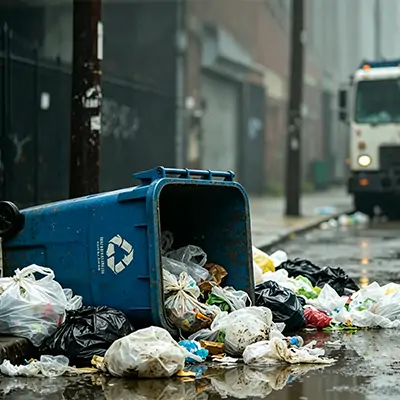
Why Can’t You Put Plastic Bags in Curbside Recycling?
Municipal recycling facilities (MRFs) use a system called single-stream recycling. This involves large spinning machines called “trommel screens” and conveyor belts that sort paper cardboard, and rigid plastics (bottles, jugs).
-
They Tangle Machinery: Thin plastic film wraps around the rotating gears and shafts of sorting equipment.
-
Costly Downtime: Workers must shut down the entire facility to climb into the machines and cut the plastic free—sometimes multiple times a day.
-
Contamination: Bags often burst open inside the machinery, spilling trash and organic waste onto clean paper products, ruining entire batches of recycling.
What Types of Plastic Bags Are Recyclable?
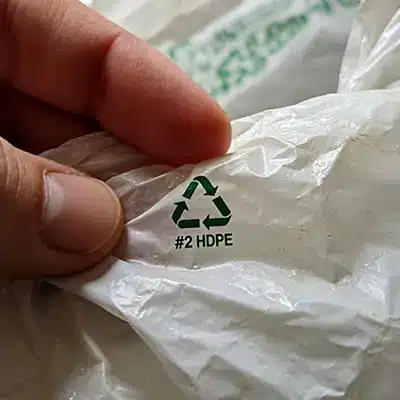
Most recycling centers accept #2 High-Density Polyethylene (HDPE) and #4 Low-Density Polyethylene (LDPE) films. Look for these numbers inside the recycling triangle on the bag.
Acceptable Items (Store Drop-Off)
-
Grocery Bags: The standard “T-shirt” bags from supermarkets.
-
Produce Bags: Bags used for fruits and vegetables.
-
Bread Bags: As long as they are clean and dry.
-
Ziploc & Storage Bags: Sandwich and freezer bags (must be free of food residue).
-
Bubble Wrap & Air Pillows: Pop the bubbles and deflate the pillows first.
-
Case Overwrap: The plastic film around cases of water bottles, paper towels, or soda.
-
Dry Cleaning Bags: Remove the paper receipts and hangers.
What NOT to Put in the Plastic Film Bin
|
Item
|
Reason for Rejection
|
|---|---|
|
Frozen Food Bags
|
Often made with mixed materials (nylon) that melt differently.
|
|
Chip Bags / Candy Wrappers
|
Multi-layer metallized plastic; not recyclable.
|
|
Biodegradable/Compostable Bags
|
These are designed to break down and ruin the quality of new plastic.
|
|
Dirty/Damp Bags
|
Food residue and moisture contaminate the recycling stream.
|
|
Black Trash Bags
|
Optical sorters often cannot detect black dye.
|
How to Prepare Bags for Recycling
-
Empty: Remove all receipts, crumbs, and stickers. Receipts are paper and cannot be recycled with plastic.
-
Dry: Ensure the bags are completely dry. Wet bags can lead to mold during storage.
-
Bundle: Stuff all your loose bags into one large bag and tie it closed. This prevents them from blowing away or getting tangled during transport.
Where to Recycle Plastic Bags (Store Drop-Off)
-
Walmart
-
Target
-
Kroger
-
Whole Foods Market
-
Home Depot / Lowe’s
Find a Location Near You: Use the locator tools at plasticfilmrecycling.orgor Earth911. Simply enter your zip code to find the closest bin.
What Happens to Recycled Plastic Bags?
-
Collection: Bales of clean film are sent to processors.
-
Pelletizing: The plastic is washed, melted, and formed into small plastic pellets.
-
Manufacturing: These pellets are used to make:
-
New Bags: New grocery bags or trash can liners.
-
Composite Lumber: Decking, park benches, and fencing (e.g., Trex).
-
Containers: New buckets or shipping envelopes.
-
FAQs
Q: Are black plastic trash bags recyclable?
A: Usually, no. The dark carbon pigment makes it difficult for optical sorters to identify the resin type. Most store drop-off programs specifically ask you not to bring black bags.
Q: Can Ziploc bags be recycled?
A: Yes! As long as they are #4 LDPE and you rinse out any food residue and let them dry, Ziploc bags are accepted at store drop-off locations.
Q: Is it better to reuse or recycle plastic bags?
A: Reuse is always better than recycling. Use your old grocery bags as small trash can liners or for picking up pet waste. Only recycle them when they are worn out and unusable.
Q: Are compostable plastic bags recyclable with plastic film?
Conclusion
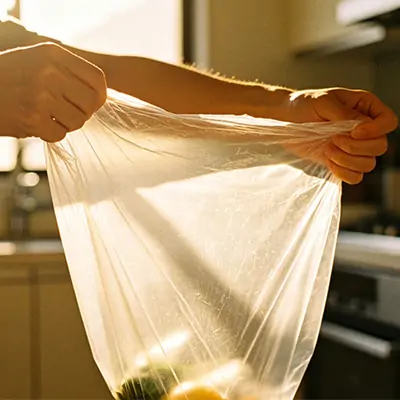
Plastic bags are recyclable, but they require special handling. Never put them in your curbside bin. Remember the golden rule: If you can stretch it, you can drop it—at the store.
Keep a bag in your car or pantry to collect your clean plastic film, and drop it off the next time you go grocery shopping. It’s a small habit that prevents massive machinery jams and keeps valuable plastic out of landfills.