



In today’s hyper-connected world, e-commerce is indispensable. From daily essentials to luxury items, the vast majority of goods now travel across neighborhoods – even continents – to reach our doorsteps. Yet this explosion in online retail intensifies a critical challenge: ensuring products arrive safely intact. For businesses, especially those shipping fragile items like glassware, electronics, and delicate ceramics, the cost of shipping damage is substantial. Every broken item is not just a financial loss – it’s a dent in customer satisfaction and a potential blow to brand reputation.
Traditional protective packaging often falls short. So, what works? While custom-designed boxes seem ideal, they’re impractical for diverse goods. Even when used, they still lack internal cushioning to absorb shocks during transit. That’s why many turn to fillers and wraps for extra protection.
But cushioning materials present a maze of choices. Bubble wrap, foam peanuts, and others promise safety but come with trade-offs—cost, effectiveness, and increasingly, plastic pollution. Is there a solution that truly protects goods and aligns with sustainability goals?
This article explores shipping protection challenges and introduces a modern, highly effective answer: air cushion bags.
I. The Limitations of Legacy Cushioning: Bubble Wrap and EPE Foam
For decades, bubble wrap and Expanded Polyethylene (EPE) foam have been the go-to choices for protective packaging. However, a closer look reveals their limitations in the face of modern shipping challenges and environmental imperatives.
Bubble Wrap: The Popular Choice, But Is It Enough?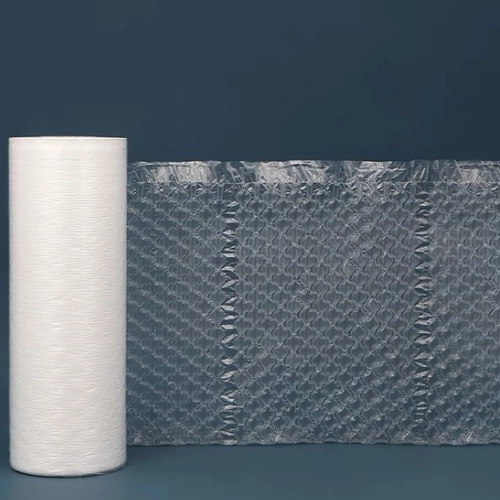
Manufacturers craft bubble wrap—instantly recognizable by its characteristic air-filled bubbles—from low-density polyethylene (LDPE). These bubbles, typically ranging from 10 to 30mm in diameter, are designed to act as miniature airbags, dissipating impact forces. Proponents often highlight lab tests suggesting that double-layered bubble wrap can reduce glass breakage rates by a significant 82% in drop tests from a height of 1.5 meters. This seemingly impressive statistic has contributed to its widespread adoption, particularly for fragile items and sensitive instruments.
Bubble wrap is undeniably lightweight, typically weighing between 80 and 150 grams per square meter, minimizing added shipping costs. It is also relatively inexpensive, with prices ranging from ¥0.8 to ¥1.5 per square meter, making it an accessible option for businesses of all sizes. Furthermore, its flexible nature allows for easy wrapping and conforming to various product shapes.
However, beneath the surface of its apparent benefits lie significant drawbacks. The most glaring issue is its environmental impact. Bubble wrap is made from LDPE, a plastic that is notoriously non-biodegradable. Its widespread use contributes significantly to plastic waste accumulation, posing a serious threat to ecosystems and exacerbating the global plastic pollution crisis. While some recycling programs exist for LDPE, the infrastructure is often inadequate, and a significant portion ends up in landfills.
Beyond its environmental burden, bubble wrap also suffers from practical limitations. Its static-prone nature attracts dust and debris, potentially compromising the cleanliness of packaged goods. Moreover, the air bubbles are vulnerable to deflation under prolonged compression. Stacked packages or extended storage can lead to the collapse of bubbles, diminishing their protective capabilities over time. Finally, while seemingly cost-effective initially, the long-term environmental costs associated with bubble wrap, including disposal and pollution, are substantial and often overlooked.
EPE Foam: Bulky Protection with a White Pollution Problem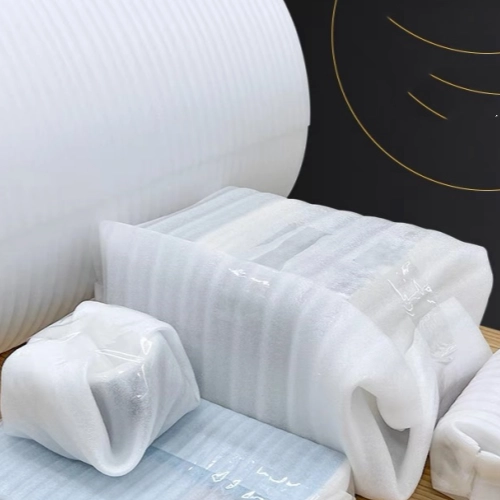
EPE foam, another common cushioning material, is molded from foamed polyethylene with a closed-cell structure. This structure provides a degree of rebound resilience, often cited around 60%, making it suitable for protecting electronic devices and furniture edges. Its versatility extends to 3D die-cutting, allowing for customized cushioning solutions tailored to specific product shapes. EPE foam is often lauded for its reusability, waterproof nature, and high resistance to aging.
However, EPE foam also presents significant disadvantages. Its bulkiness, characterized by a density of around 30 kg per cubic meter, adds considerable weight and volume to shipments, increasing transportation costs and potentially requiring larger packaging. Like bubble wrap, EPE foam contributes to white pollution, as it is also non-biodegradable and persists in the environment for extended periods. Its disposal poses similar environmental challenges, further adding to landfill waste and potential pollution. Storage also becomes a concern, as its bulky nature demands significant warehouse space, adding to operational overheads.
II. Paper-Based Systems: A Step Towards Green, But Not Always Robust
Recognizing the environmental shortcomings of plastic-based cushioning, the industry has explored paper-based alternatives, primarily corrugated cardboard and honeycomb paper. These materials offer a perceived eco-friendlier option, but their protective capabilities and practicalities require careful consideration.
Corrugated Cardboard: Versatile and Recyclable, Yet Vulnerable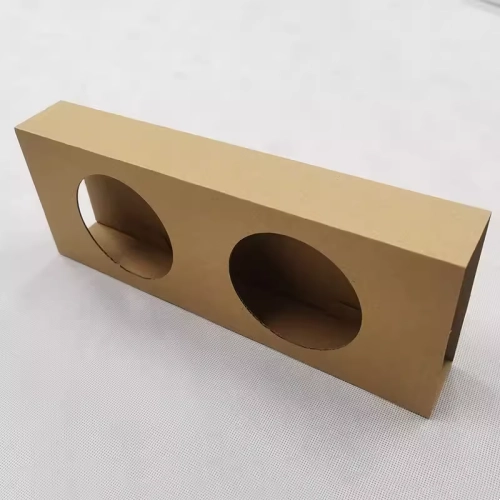
Corrugated cardboard, with its characteristic fluted layers (A, B, C, E flutes denoting different flute sizes and load capacities), has long been a staple in packaging. When combined with die-cutting techniques, it can provide cushioning and replace traditional foam in certain applications. Its advantages are clear: it is recyclable, readily printable for branding purposes, and offers stable stacking capabilities for efficient warehousing and transportation.
However, corrugated cardboard is not without its weaknesses. Its poor waterproofing makes it susceptible to damage in humid or wet environments, potentially compromising its structural integrity and protective function. Its performance is heavily dependent on structural design, requiring careful engineering to achieve adequate cushioning. Furthermore, it is prone to deformation under heavy loads, particularly in prolonged stacking, potentially crushing contents within. While a step in a greener direction, corrugated cardboard often lacks the robust, all-around protection needed for truly fragile items, especially in the demanding conditions of modern express shipping.
Honeycomb Paper: Strong and Foldable, But Complex and Moisture-Sensitive
Honeycomb paper, inspired by the hexagonal structure of beehives, leverages bionic principles to enhance compressive strength while adhering to export eco-standards. Its key advantages lie in its high strength-to-weight ratio, making it surprisingly robust for its weight. It is also foldable for space-saving storage before use and possesses flame-retardant properties, enhancing safety in certain applications.
However, honeycomb paper also faces challenges. Its complex cutting processes can increase manufacturing costs and limit design flexibility. Crucially, it suffers a significant 30% strength loss when moistened, making it vulnerable to humidity and water damage, similar to corrugated cardboard. This moisture sensitivity can severely compromise its protective capabilities in real-world shipping scenarios, particularly for long-distance or international shipments exposed to varying climates.
III. The Rise of Air Cushion Bags: Intelligent Protection for a Sustainable Future
Air cushion bags are a truly innovative solution that addresses the shortcomings of traditional and paper-based cushioning while offering a superior level of protection and environmental responsibility. Unlike the materials discussed previously, air cushion bags are specifically designed to leverage the power of air to create a dynamic and highly effective cushioning system.
These bags, often made from durable and recyclable or biodegradable films, are inflated on demand, creating customized air chambers around the product being shipped. This “air pillow” provides exceptional shock absorption and minimizes the impact of bumps, drops, and vibrations during transit.
PLA/PBAT Co-extruded Air Pillows: An Eco-Innovation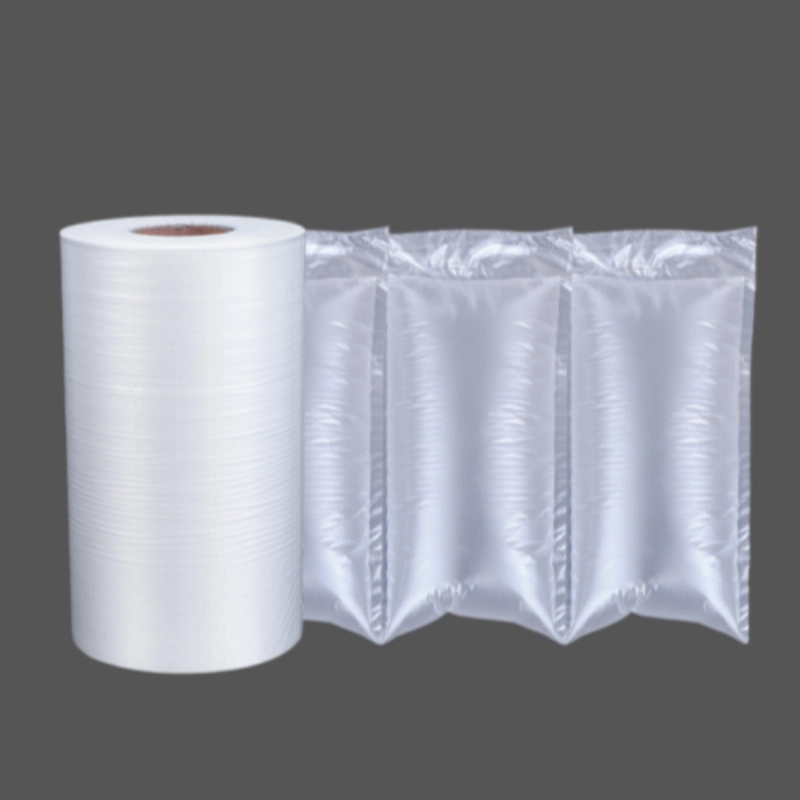
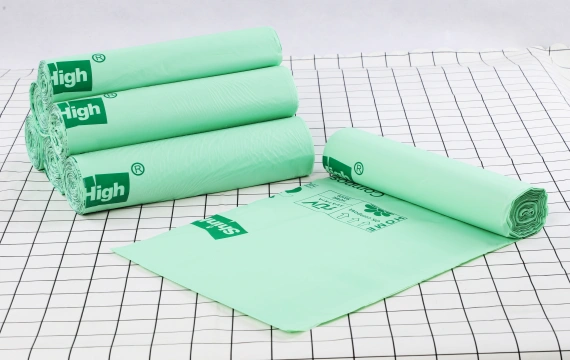
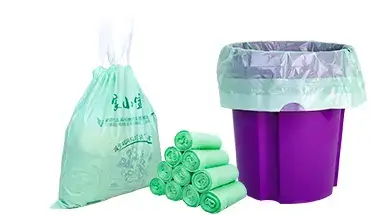
One type of air cushion bag is PLA/PBAT co-extruded films. These materials combine Polylactic Acid (PLA), a biodegradable polymer derived from renewable resources like corn starch, with Polybutylene Adipate Terephthalate (PBAT), a biodegradable and compostable plastic. The resulting film offers both durability and biodegradability, aligning with circular economy principles.
The Unmatched Advantages of Air Cushion Bags:
Beyond the eco-innovative PLA/PBAT option, air cushion bags have a compelling array of advantages.
Superior Shock Absorption: The air-filled chambers provide cushioning, effectively dissipating impact forces and protecting delicate items from damage. The dynamic nature of the air cushions adapts to varying impacts, offering consistent protection throughout the shipping journey.
Space Efficiency: Air cushion bags are shipped flat and inflated on-demand, drastically reducing storage space requirements compared to bulky materials like bubble wrap and EPE foam. This translates to significant savings in warehouse space and transportation costs for packaging materials themselves.
Customizable Protection: Air cushion bags can be designed in various shapes and sizes, and inflated to different pressures, allowing for customized cushioning tailored to the specific product being shipped. This precision ensures optimal protection without unnecessary bulk or material waste.
Lightweight and Cost-Effective: While offering superior protection, air cushion bags are remarkably lightweight, minimizing added shipping costs. Furthermore, the reduced material usage and potential for reusability translate to long-term cost savings compared to traditional cushioning methods.
Enhanced Customer Experience: The clean and professional appearance of air cushion bags enhances the unboxing experience for recipients. The reduced mess compared to loose-fill materials like foam peanuts and the assurance of undamaged goods contribute to higher customer satisfaction.
Sustainability and Environmental Responsibility: With options like biodegradable PLA/PBAT films and the inherent reusability of many designs, air cushion bags offer a significantly greener alternative to traditional plastic and even paper-based cushioning. They reduce plastic waste, promote circularity, and align with growing consumer demand for eco-conscious packaging.
Easy and Efficient Operation: Inflation machines for air cushion bags are typically compact and user-friendly, allowing for quick and efficient packaging processes. This streamlines operations and reduces labor costs associated with packaging.
Conclusion: Embrace the Air Cushion Revolution
In the face of ever-increasing e-commerce volumes and growing environmental concerns, the shipping industry demands smarter, more effective, and sustainable packaging solutions. Air cushion bags are not just an incremental improvement – they represent a paradigm shift in protective packaging. By harnessing the power of air, they offer superior shock absorption, space efficiency, customization, and environmental responsibility, all while streamlining operations and enhancing the customer experience.
As businesses strive to minimize shipping damage, reduce costs, and embrace sustainable practices, air cushion bags are emerging as the clear choice. It’s time to move beyond the limitations of bubble wrap and foam and embrace the air cushion revolution – the intelligent, efficient, and eco-conscious solution for protecting goods in transit and ensuring customer satisfaction in the modern age of e-commerce.
More details about the product