



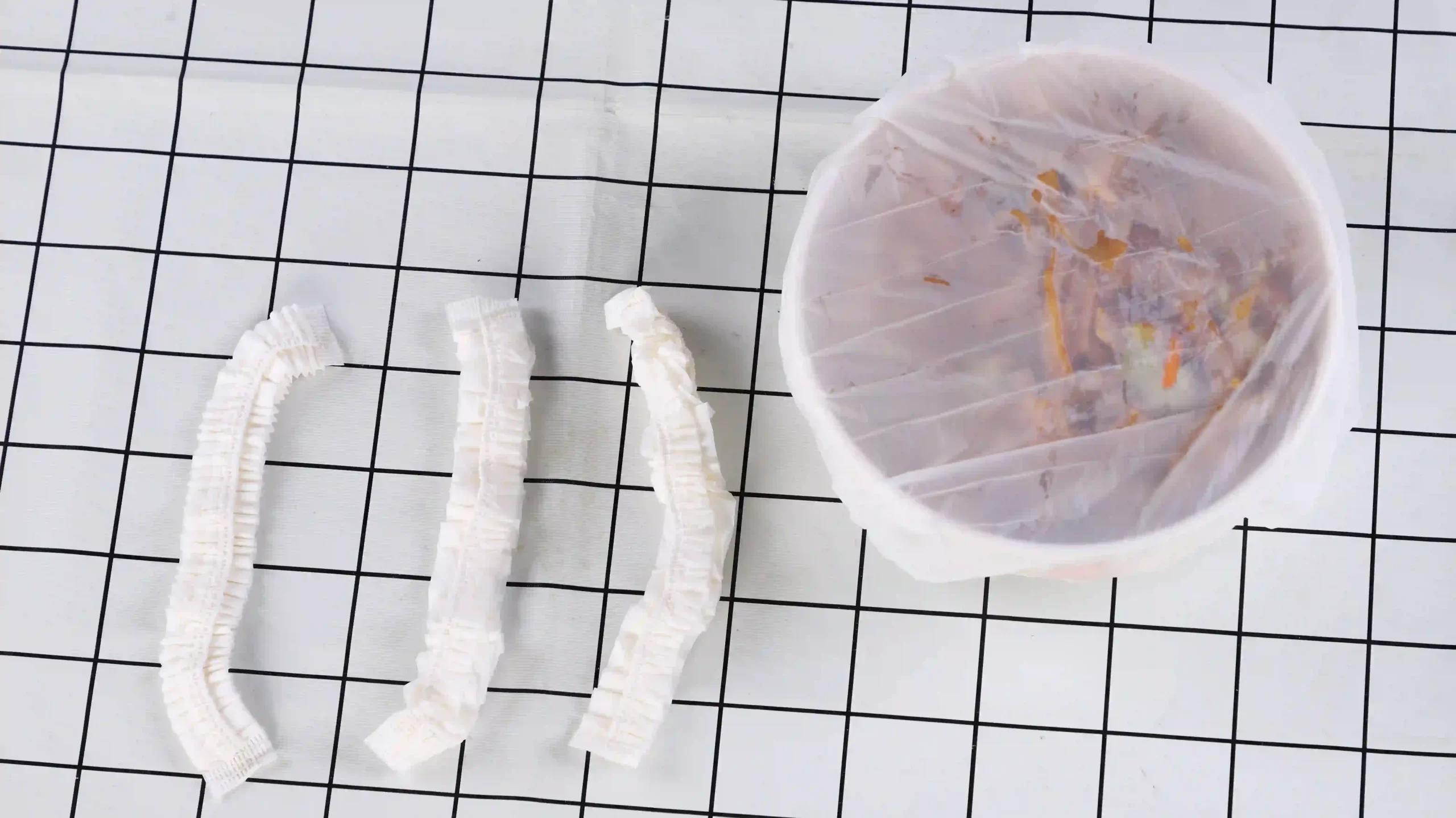
Have you seen those “shower cap” style cling films—also called disposable elastic bowl covers or PE food sleeves—popping up everywhere from TikTok to grocery shelves? They promise an end to wrestling with sticky plastic wrap: just stretch them over any bowl, plate, or container, and you’re done.
But with their growing popularity comes an important question: are disposable bowl covers really as safe as they are convenient, or are they just repurposed shower caps made from questionable plastics?
In this 2026 updated guide, we’ll break down the materials used in disposable bowl covers, explain the safety concerns around elastic bands, compare them to traditional cling film, and help you choose the right option—whether you’re buying for home use, restaurants, catering, or retail.
Why Disposable Elastic Bowl Covers Are So Popular
These flexible covers have become a kitchen staple for good reason:
-
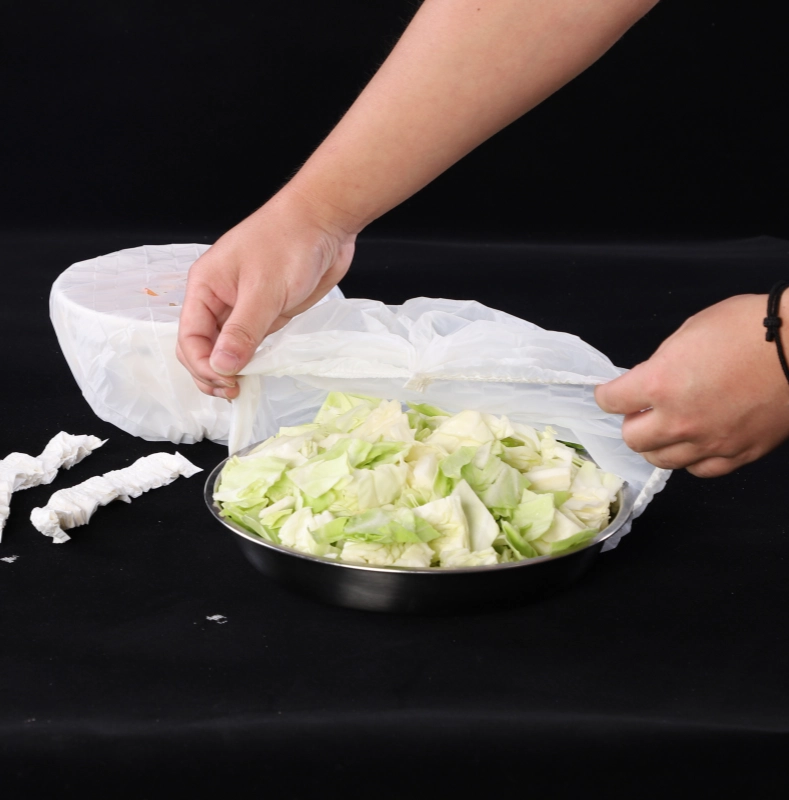
No tearing, no static cling—just pull and cover
-
Fit most bowls, plates, and even irregular shapes (typically Ø10–28 cm / 4–11 inches)
-
One-handed operation makes covering leftovers fast and easy
-
Single-use design supports hygiene in food service and takeaway
-
Food-grade PE film is odorless, moisture-resistant, and BPA-free in compliant products
What Are They Made Of? Understanding the Materials
|
Material
|
Food Safe?
|
Notes
|
|---|---|---|
|
PE (LDPE/HDPE)
|
✅ Yes
|
Most disposable bowl covers are made from food-grade LDPE, requiring no plasticizers.
|
|
PVC (with DEHP)
|
⚠️ Risky
|
Contains phthalate plasticizers; avoid contact with hot or fatty foods.
|
|
PVDC
|
✅ Yes
|
Excellent oxygen and moisture barrier; rarely used in disposable sleeve format.
|
|
Biodegradable PLA/PBAT
|
✅ Yes (Eco)
|
Plant-based compostable options are now available for sustainable foodservice.
|
The Elastic Band Safety Question
That stretchy rim is what makes these covers so easy to use—but it’s also the part that raises safety questions.
-
In compliant designs, the elastic is completely encased in food-grade PE film, meaning it never touches food directly.
-
Risk occurs only if the film is damaged by overheating, overstretching, or repeated reuse—potentially exposing the elastic and its processing additives.
-
Never microwave food with the cover still on. Always remove it before reheating, and let hot food cool before covering.
Do Disposable Bowl Covers Keep Food Fresh?
Unlike traditional cling film, which clings tightly to create an airtight seal, disposable elastic covers provide a loose barrier. This makes them excellent for:
-
Short-term fridge storage (up to 1–2 days)
-
Covering plates during dine-in service
-
Protecting cut fruit, salads, and snacks from dust and odors
They’re less effective for long-term storage of highly perishable items like sliced melon or leafy greens—for that, airtight containers or standard cling film are better choices.
How to Choose Food-Safe Disposable Bowl Covers
When shopping for home or commercial use, check for:
-
Clear labeling as “Food Contact Use” or “Food Grade.”
-
Material listed as PE (Polyethylene), not vague “plastic.”
-
Certifications such as FDA 21 CFR, EU 10/2011, LFGB, or GB 4806.7 compliance.
-
Fully encased elastic band with uniform film thickness (≥0.015 mm resists tearing.
-
Optional compostable versions made from PLA+PBAT for eco-conscious brands.
Frequently Asked Questions
Q: Are shower cap-style cling film covers the same as bathroom shower caps?
A: No. Food-grade disposable bowl covers use LDPE/PE film tested for food contact safety. Bathroom shower caps are typically industrial-grade plastic with no food safety testing—never use them interchangeably.
Q: Can you microwave disposable bowl covers?
A: No. Always remove them before microwaving or placing food in the oven to avoid melting and chemical migration.
Q: Do disposable PE bowl covers contain BPA or phthalates?
A: Food-grade PE film does not require plasticizers, so compliant products are BPA-free and phthalate-free. Always confirm the “food grade” claim on the packaging.
Q: How long can food stay fresh under a disposable bowl cover?
A: They’re best for short-term refrigeration (up to 1–2 days). For longer storage, switch to sealed containers.
Sustainable Alternatives to Plastic Bowl Covers