



Do Ziploc Bags Release Microplastics When Frozen?
Yes, recent scientific studies suggest that freezing food in Ziploc bags and other plastic containers can release microplastics. While freezing slows down chemical degradation, the physical stress of cold temperatures makes plastic more brittle, leading to the shedding of microscopic particles that can contaminate your food.
This guide examines the latest research, explains why cold temperatures affect plastic, and offers practical alternatives to reduce your exposure.

What the Science Says: Freezing and Microplastic Shedding
Recent scientific studies have shifted our understanding of how temperature affects plastics. It’s not just heat that causes shedding; extreme cold plays a role, too.
Cold Temperatures Increase Brittleness
According to a 2025 study published in the Journal of Hazardous Materials, plastics stored at -20°C (standard freezer temperature) were found to release more and smaller microplastics compared to those stored in the refrigerator (4°C). Cold temperatures make polymer chains more rigid and brittle, leading to microscopic cracks.
Why Does Freezing Cause Shedding?
-
Physical Stress: When you bend a frozen bag to squeeze out air or remove food, the rigid plastic is more likely to develop micro-cracks.
-
Thermal Shock: The repeated cycle of freezing and thawing causes the plastic structure to expand and contract, accelerating wear and tear.
-
Particle Size: The study noted that colder temperatures tend to produce smaller microplastic particles, which are potentially more dangerous as they can penetrate cells more easily.
Ziploc Bags Specifically: What We Know
Ziploc bags are made from polyethylene(PE) and are marketed as “freezer-safe.” However, the term “freezer-safe” typically refers to the bag’s ability to prevent freezer burn and not leak, not necessarily its immunity to shedding particles.
While Ziploc bags are food-grade and FDA-compliant for contact, they are not chemically inert. The mechanical stress of squeezing air out of a frozen bag or opening the zipper seal creates friction and abrasion, which are primary drivers of microplastic generation.
Factors That Increase Microplastic Release
|
Factor |
Impact on Microplastic Shedding |
|
Reusing Old Bags |
High. Scratches and abrasions from washing or use create weak points where particles break off. |
|
Bending Frozen Bags |
High. Flexing brittle plastic causes fractures and releases fragments. |
|
Freeze-Thaw Cycles |
High. Repeated expansion and contraction degrade the polymer matrix. |
| Duration |
Medium. Longer storage times allow for more gradual degradation. |
| Hot Liquids |
Pouring hot soup directly into a plastic bag before freezing can cause immediate chemical leaching. |

FAQs
Q: Do all plastic bags release microplastics when frozen?
A: Most conventional plastic bags made from polyethylene (PE) or polypropylene (PP) are susceptible. The 2025 study tested various brands and found that colder temperatures consistently increased particle release across the board.
Q: Is it safer to refrigerate food in plastic rather than freeze it?
A: According to current research, yes. The same study found that plastics stored at refrigerator temperatures (4°C) released fewer and larger microplastics compared to those in the freezer (-20°C).
Q: What are the health risks of eating microplastics?
A: Research is ongoing, but scientists warn that microplastics can cause inflammation, oxidative stress, and may act as endocrine disruptors (interfering with hormones). Smaller nanoplastics can even cross the blood-brain barrier.
Q: What are the best microplastic-free alternatives for freezing?
-
Glass Jars: Use tempered glass (like Pyrex) with wide mouths to allow for expansion.
-
Stainless Steel: Great for dry goods or pre-cooked meals.
-
Silicone Bags: High-quality food-grade silicone is more stable than polyethylene and less prone to shedding.
-
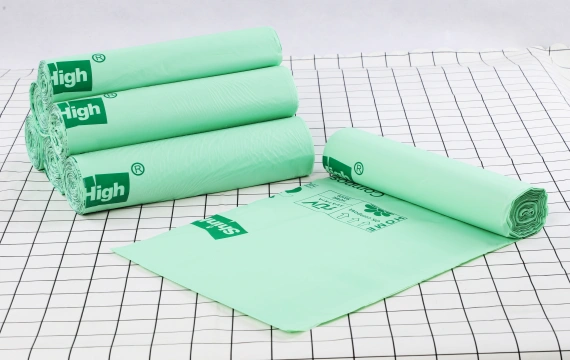
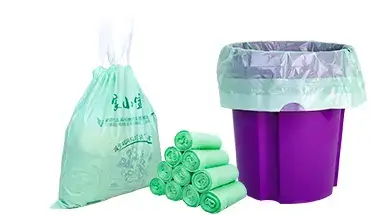
Certified Compostable Bags: Look for bags made from PLA/PBAT (plant starch) that are certified for freezer use.
Conclusion: Should You Stop Freezing in Ziploc Bags?
-
Avoid reusing them for long-term frozen storage.
-
Handle gently to prevent cracking the plastic.
-
Transfer food to a glass or ceramic dish before reheating.