




The Recycling Dilemma at Your Bin
You’ve just taken out the trash. In your hand is the now-empty plastic bag, and in front of you are two bins: one for trash, one for recycling. A moment of hesitation strikes. Can plastic bags go in the recycling bin? It seems like a simple question, but the answer is frustratingly complex.
Most of us want to do the right thing. We toss in a soda can, and we flatten a cardboard box. But that thin, filmy plastic bag—especially one that held our other trash—creates a wave of doubt. Is it a recyclable plastic? Will it contaminate the whole batch if I’m wrong?
The short, crucial answer is: No, you should rarely put plastic trash bags in your curbside recycling bin. But why? And what should you do with them? This guide cuts through the confusion, answering not just this question but also what kind of trash is not recyclable, revealing what is surprisingly not recyclable, and detailing what plastic bags cannot be recycled. Let’s turn that bin-side hesitation into confident, eco-smart action.
Why Most Trash Bags Are Recycling Bin Killers
So, why is that seemingly innocuous bag such a recycling plant nightmare? The issue isn’t necessarily the plastic’s material (many are made from recyclable #2 HDPE or #4 LDPE) but its form and fate.
-
The “Tangler” Hazard: At recycling facilities, materials are sorted on fast-moving conveyor belts and by spinning disk screens. Thin, flexible plastic films like trash bags and grocery sacks wrap around and jam this machinery. Entire operations must be shut down for workers to cut them free—a major safety and efficiency drain.
-
The Contamination Crisis: A trash bag’s job is to hold waste. By the time it’s empty, it’s often soiled with food residue, liquids, or other grime. This contamination can ruin an entire bale of otherwise clean recyclables, like paper or cardboard, rendering them unfit for reprocessing and sending them to the landfill.
-
The “Wish cycling” Effect: Hoping something is recyclable, we toss it in (“wish cycling”). This well-intentioned but incorrect action does more harm than good, increasing processing costs and contamination rates.
In short, a single plastic trash bag in your blue bin risks turning a batch of valuable recyclables into trash. It’s the prime example of what kind of trash is not recyclable in the curbside stream.
What Types of Bags Can & Cannot Be Recycled?
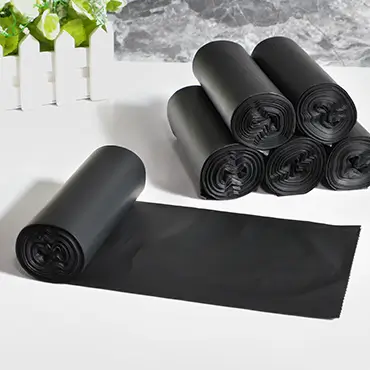
Not all bags are created equal. Let’s break down the common types:
1. Standard Plastic Trash Bags:
These are the most common. Do not place them in your curbside bin. Their fate is the landfill, unless they are perfectly clean and taken to a drop-off location.
2. Bags Made from Recycled Content:
This is a critical distinction. A bag labeled “made from 80% recycled material” is not necessarily recyclable itself. This claim refers to its past, not its future. Always check disposal instructions separately.
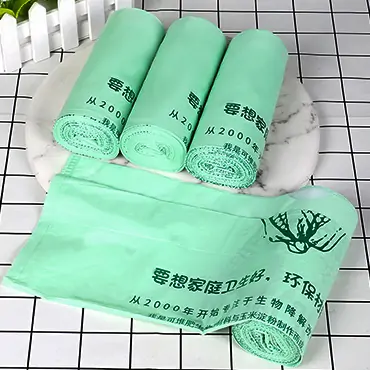
3. Biodegradable/Degradable Bags:Warning:
These are major contaminants in both plastic and compost streams.
-
They are designed to break down under specific conditions, not in a recycling facility.
-
Never place them in your plastic recycling. They compromise the quality of recycled plastic.
-
Most are not suitable for home composting and require industrial facilities. Check local compost rules strictly.
4. Compostable Bags (Certified):
These are different from “biodegradable” bags. Look for official certifications like BPI.
-
They do not go into plastic recycling.
-
They only belong in your municipal green bin/organics collection if your program explicitly accepts them.
-
For home compost, only use if certified for home composting, as many require higher industrial temperatures.
The “How-To” Guide: Responsible Disposal Steps
If your goal is to recycle correctly, follow this hierarchy:
-
Empty and Clean: If the bag held dry recyclables (like cans and bottles), empty it completely. If it holds general trash, it is contaminated and should go in the trash.
-
Check for Store Drop-Off: This is the #1 solution for clean plastic film. Many grocery and retail stores (Walmart, Target, supermarkets) have collection bins at the entrance for:
-
Plastic shopping bags
-
Bread bags
-
Clean and dry plastic wraps (e.g., from paper towels)
-
CLEAN trash bags (if #2 or #4 plastic)
-
Search “plastic film recycling near me” to find a location.
-
-
When in Doubt, Throw It Out: It is better to send one non-recyclable item to the landfill than to contaminate and doom an entire batch of recyclables. This is the golden rule of responsible recycling.
The Better Path – Reduce, Reuse, and Responsible Choices
-
Reduce: The Most Powerful Choice
-
Go Liner-Free: For dry, non-food waste bins (like in an office or bathroom), consider using no liner at all. Simply empty the bin’s contents into your main trash and give it a quick rinse when needed.
-
Use Newspaper: For small bins, a sheet of old newspaper can be a perfect, compostable liner for dry waste.
-
Downsize Your Bag: Choose a smaller bag size that fits your actual weekly trash volume, reducing plastic use.
-
-
Reuse (The Smart Alternative):
-
Give Bags a Second Life: Before designating a plastic shopping bag as a trash liner, see if it can be used again for shopping, packing, or pet waste. Maximize its utility.
-
Repurpose Other Packaging: Large, clean bags from cereal boxes, bulk paper towels, or online deliveries can often serve as small bin liners.
-
-
Choose Wisely: If You Must Use a Bag
- For Landfill Trash: If you need a bag for your main trash, you are already choosing landfill disposal. The focus here shifts to source reduction (creating less trash) rather than recyclability.
- For Compost: If you have access to municipal or home composting, use certified compostable bags (BPI). Ensure they match your compost system’s requirements.
- Look for Recycled Content: When buying new plastic trash bags, choose brands with high post-consumer recycled (PCR) content. This supports the market for recycled plastics, even if the bag itself can’t be recycled again.
FAQ – Your Top Trash Bag Recycling Questions, Answered
Let’s tackle some of the most common and confusing questions head-on.
Conclusion – The Simple, Sustainable Takeaway
So, can you recycle trash bags? The clear answer for your curbside bin is no. But that “no” leads to a more empowered “yes” for responsible waste management.
-
Remember the Rule: When in doubt about plastic films and bags, keep them out of your single-stream recycling bin to prevent contamination.
-
Embrace the Alternative: Save clean, dry plastic film (shopping bags, product wraps) for Store Drop-Off recycling.
-
Think Upstream: The most significant impact comes from reducing your need for disposable bags in the first place and choosing products with recycled content.