




The Ultimate Guide to Dog Poop Disposal: What to Do Before Garbage Day
As a dog owner, you know the daily routine: the joyful walks, the playful barks, and the inevitable… cleanup. While we’re all responsible about scooping the poop, a common question arises when you hear the garbage truck rumbling down the street: “What is the right way to handle this before trash collection day?”
Improper disposal isn’t just a nuisance; it’s an environmental and public health issue. Dog waste can contain harmful bacteria and parasites, contaminating soil and water sources. This definitive guide will walk you through everything you need to know, from immediate cleanup to garbage day protocols, including some brilliant tips from fellow dog owners and how to choose the best supplies, like custom dog poop bags, for a cleaner, greener routine.
Why Proper Dog Poop Disposal is Non-Negotiable
Before we dive into the “how,” let’s quickly understand the “why.” Unlike cow manure, which is primarily plant-based, dog waste is protein-rich and contains a high concentration of pathogens like E. coli, Giardia, and Salmonella.
When left on the ground or disposed of incorrectly, rainwater washes these pathogens into storm drains, eventually polluting rivers, lakes, and groundwater. Simply put, proper disposal is a critical part of being an eco-conscious pet owner.
Part 1: The Immediate Cleanup – Choosing Your Weapon
The first step in responsible disposal happens the moment your dog does its business. The bag you use sets the stage for everything that follows.
-
Standard Plastic Bags: These are the most common, but they are also the least eco-friendly. They sit in landfills for hundreds of years. If you use these, ensure they are at least leak-proof. -
Biodegradable Dog Poop Bags: A step in the right direction. However, “biodegradable” can be misleading. Many require specific industrial composting conditions to break down effectively, which most landfills cannot provide. -
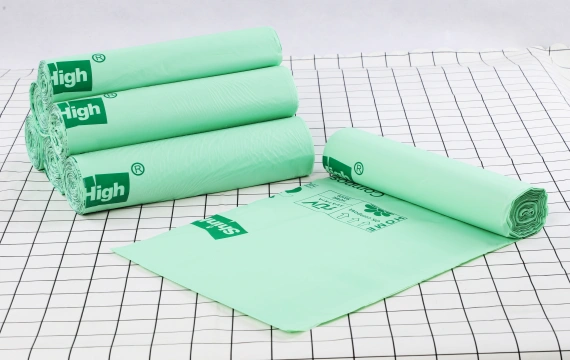
Compostable Dog Poop Bags (The Gold Standard): Certified compostable bags are the best eco-friendly choice. They are designed to break down in composting systems. Look for certifications, such as those from the Biodegradable Products Institute (BPI), to ensure legitimacy.
Upgrade Your Cleanup: The World of Custom and Premium Bags.
This is where you can combine functionality with style and responsibility. If you’re looking for durable dog waste bags or want to make cleanup a bit more personalized, consider these options offered by many dog bag manufacturers:
-
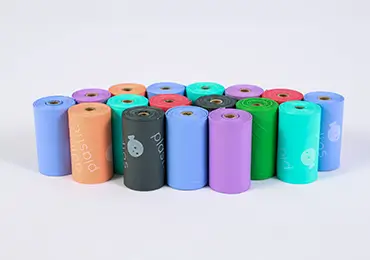
Custom Dog Poop Bags: These allow you to print your dog’s name, a fun pattern, or even your contact information on the roll. They are perfect for multi-dog households or as a thoughtful gift for a pet lover. Searching for “custom dog poop bags with my dog’s name” will lead you to several pet product manufacturers specializing in this. -
Personalized Dog Waste Bag Dispensers: Beyond the bags themselves, you can find sleek, refillable dispensers that clip right onto your leash. This eliminates fumbling with flimsy roll centers and makes the process seamless. -
Bulk Dog Poop Bags: Buying in bulk is not only economical but also reduces packaging waste. Look for “compostable dog bags bulk buy“ from reputable suppliers to ensure you’re never caught without a bag.
Pro Tip: No matter which bag you choose, the “scoop and knot” is crucial. Ensure the bag is securely tied to contain odors and prevent leaks in your trash can.
Part 2: The Interim Storage – From Yard to Bin
You’ve scooped the poop. Now, where does it go until garbage day? This is a primary source of odor complaints.
-
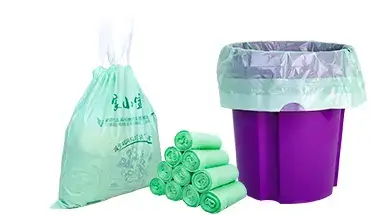
The Setup: Use a small, sealable outdoor trash can with a tight-fitting lid. Line it with a compatible trash bag. -
The Routine: Deposit your bagged waste into this dedicated bin after each cleanup. On the morning of (or the night before) trash collection, tie up the liner bag and place it into your main community trash cart. -
Why it Works: The sealed lid contains odors and deters pests like flies and rodents. It also centralizes the waste, preventing multiple smelly trips to your main bin.
A fantastic, eco-friendly solution for homes with yards.
-
The Setup: This is a small, septic-like system you bury in your yard. You add the waste (bag-free!) along with a special enzyme packet that breaks down the solids into liquid, which safely leaches into the surrounding soil. -
The Benefit: It eliminates waste, meaning no plastic bags and no waiting for garbage day. It’s a permanent solution to the problem.
-
Important Note: You should never add dog poop to a compost pile used for vegetable gardens. The pathogens can survive and contaminate your food. -
The Safe Way: You can create a separate, dedicated compost bin for dog waste using a specific method that generates enough heat to kill pathogens. This requires more effort, but is a great sustainable practice.
Part 3: The Final Step – Garbage Day Protocol
-
Double-Bagging for Security: If the waste is particularly messy or has been sitting for a few days, consider double-bagging it. This provides an extra layer of protection against rips and leaks. -
Placement in the Trash Cart: Place the sealed bag of dog waste firmly into your main trash cart. If possible, place it near the center, surrounded by other bags of trash to cushion it. -
Timing is Everything: To minimize odor in your cart, take it out to the curb as close to the collection time as possible, ideally on the morning of pickup. If you must put it out the night before, ensure the lid is fully closed. -
Cart Hygiene: Periodically clean your main trash cart with a hose and a disinfectant or a vinegar solution (more on that below) to control lingering smells.
Community Tips: Real-Life Solutions from Dog Owners
Sometimes, the best advice comes from those in the trenches. Here are two brilliant tips from experienced dog owners that you can try.
-
The Method: One owner trained their puppy to use the backyard primarily for elimination. Instead of daily cleanup, they do one major scooping session weekly, the day before garbage collection. -
The Advantage: This consolidates a daily chore into a single, efficient weekly task. It also means the waste doesn’t sit in your indoor or outdoor trash for days, minimizing odor exposure. -
Consideration: This works best in well-ventilated, spacious yards. Ensure the designated area is away from patios and windows.
-
The Method: An owner with five large dogs battled backyard stench with a simple 40% white vinegar to 60% water solution in a spray bottle. After picking up solid waste, they spray the area. They also use it to deodorize their trash cans. -
The Science: Vinegar (acetic acid) is excellent at neutralizing the alkaline ammonia compounds found in urine and feces, effectively eliminating odors rather than just masking them with perfume. -
Application: Great for patios, gravel, and artificial grass. Spray it on the ground after cleaning and on the interior of your trash cans on garbage day. It’s an incredibly cheap and effective alternative to expensive specialty deodorizing sprays.

What NOT to Do: Common Disposal Mistakes
-
Don’t Flush It: Unless you are certain your municipality approves it. Dog waste can overwhelm septic systems and municipal water treatment plants, which are not designed for it. -
Don’t Put It in Yard Waste or Recycling Bins: This contaminates the entire load, causing it to be sent to a landfill. -
Don’t Leave It in Bags on the Ground: “Bioplastic” bags still need specific conditions to decompose. A bag on a trail is litter and an environmental hazard. -
Don’t Bury It: Shallow burial does not kill pathogens, which can still leach into groundwater.
A Cleaner Routine for You and the Planet
Managing dog poop might not be glamorous, but it’s a fundamental part of the bond we share with our pets. By choosing the right supplies, from eco-friendly dog poop bags to a dedicated storage system, and following a clear garbage day routine, you can make the process simple, sanitary, and sustainable.