



Introduction
Governments and consumers worldwide are increasingly advocating for compostable bags as a sustainable alternative to conventional plastics. But what exactly are they, and how do you use them correctly? This ultimate FAQ guide by ShinHigh Bio answers the most common and critical questions, empowering you to make informed decisions for your home or business.

What Are Compostable Bags Made Of? (PLA, PBAT, Cornstarch Explained)
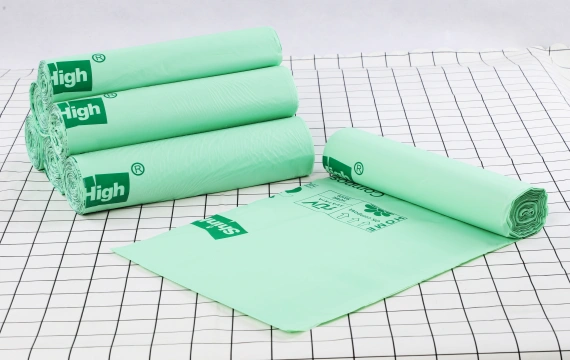
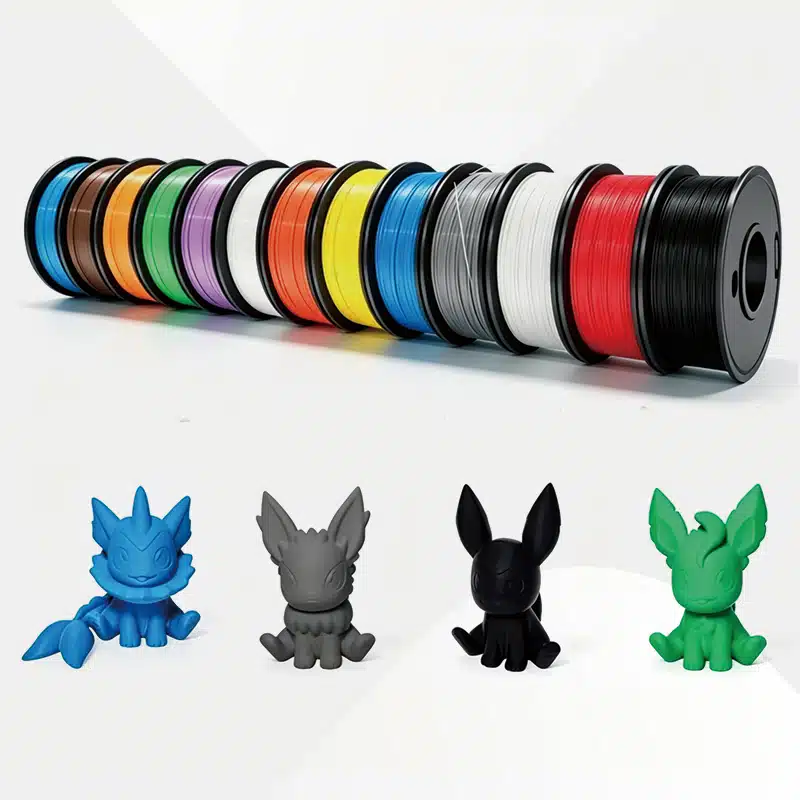
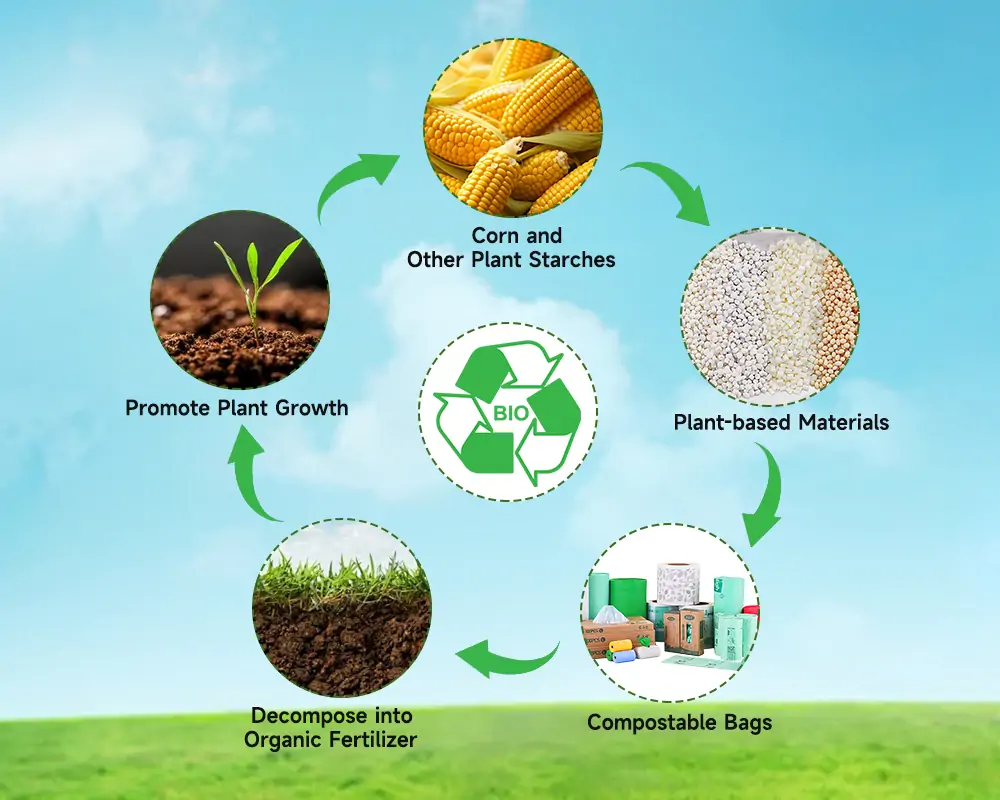
Unlike regular plastic bags made from petroleum-based sources, compostable bags are made from renewable or degradable materials. Common ingredients include: polylactic acid (PLA), corn starch, and polybutylene terephthalate (PBAT). These materials form the backbone of compostable bags, which decompose into organic matter during the composting process, leaving no hazardous substances behind, and therefore do not pollute the environment.
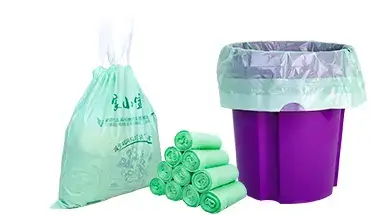
These eco-friendly bags are widely used for food packaging, storage, gardening, and other fields. They can not only be used to package snacks, vegetables, fruits, and other foods, but they also play an important role in collecting kitchen waste and industrial waste.
Compostable vs. Biodegradable: What’s the Real Difference?
It’s crucial to understand that “biodegradable” and “compostable” are not interchangeable terms. While both imply breakdown, “compostable” has a higher standard. Biodegradable simply means something can be broken down by microorganisms, but the breakdown timeframe can be very long, and it may leave harmful residues. Compostable materials are designed to break down rapidly within a composting environment (industrial or home) into natural, non-toxic substances like water, carbon dioxide, and biomass.
The biodegradable bags produced by many famous manufacturers have been certified as compostable by international authorities. For example, Compostable bags from ShinHigh have obtained certificates issued by international authoritative organizations, such as ASTM D6400(BPI), OK Compost, Home OK Compost(TÜV AUSTRIA), EN13432(DIN CERTCO), AS4736, and AS5810(ABA).
How Long Do Compostable Bags Take to Decompose? (Home vs. Industrial)
Under ideal composting conditions (i.e., microbial activity, adequate oxygen, moderate humidity, and high temperatures), compostable bags typically take about 6 months to fully decompose in an industrial composting facility. However, the degradation time is not absolute, as the rate of decomposition is also affected by the manufacturing process of the compostable bag itself and the specific composting environment. For home composting, the process may take longer, typically between 6 and 12 months.
Are Compostable Bags Food Safe? A Complete Guide
Compostable zip-lock bags for food are suitable for the storage of a variety of foods, including vegetables, fruits, biscuits, small cakes, etc. Made from biodegradable materials, such as PLA, corn starch, etc., these bags are non-toxic for food. PLA is derived from plants, and lactic acid is a monomer in the human body, so PLA is very safe for food. In addition, L-lactic acid that is degraded from PLA can participate in human metabolism and has been approved by the U.S. Food and Drug Administration (FDA) for the production of medical surgical sutures, injection capsules, microspheres, and implants. It further proves that you can use these bio-based bags for food storage.
But there are some notes when storing food using compostable bags:
-
Avoid High Temperatures: High temperatures may speed up the decomposition rate of compostable zip-lock bags, causing them to break or leak, thus affecting food hygiene.
-
Keep Away from Moisture: If the seal of the bags is not good or the humidity of the storage environment is too high, it may lead to moisture or even mold.
-
Avoid Direct Contact with Oils: Certain oils may speed up the degradation of compostable bags.
Shelf Life of Compostable Bags: Storage Tips to Maximize Longevity
The shelf life of our compostable bags is 12 months. Storage conditions have a significant effect on shelf life:
-
Cool & Dry: High temperatures may lead to accelerated aging. Store in a cool, dry place.
-
Avoid Humidity: High humidity can cause the material to absorb water, triggering premature decomposition.
-
Away from Light: Direct light can contribute to the aging of the bag. Store in a dark place.
How to Dispose of Compostable Bags Correctly (Don’t Just Trash Them
-
Home Composting: If your bag is certified home-compostable (e.g., with OK Compost HOME), you can place it in your home compost bin along with food scraps.
-
Industrial Composting: For bags certified for industrial composting, drop them off at an industrial composting facility or a designated biodegradable material recycling center. These facilities have the controlled conditions needed to break the bags down efficiently.
-
Important Note: Since compostable bags cannot effectively decompose in a sealed landfill or in nature, it is not recommended to dispose of them as ordinary garbage, as they may not break down as intended.
How to Choose Certified Compostable Bags: A Buyer’s Checklist
When purchasing compostable packaging bags, use this checklist:
-
Check the Material: Ensure the bag is made from certified biodegradable materials like PLA, PBAT, or corn starch.
-
Look for Certifications: Always select bags that meet international standards such as EN 13432, ASTM D6400, or AS 4736. This is the most reliable way to verify compostability claims.
-
Verify End-Use: Decide if you need home or industrial compostable bags based on your disposal capabilities.
-
Choose Eco-Friendly Inks: It is better to choose bags printed with water-based ink, which is more environmentally friendly and does not release harmful substances.
Expanded FAQ: Answering Your Critical Compostable Bag Questions
Q1: Can I put compostable bags in my regular trash bin?
A: Technically, yes, but it is not the intended disposal method and undermines their environmental purpose. In a landfill, without the proper conditions for composting, they may not break down effectively and can produce methane. The correct destination is a composting facility.
Q2: What is the difference between home compostable and industrially compostable?
A: This is a crucial distinction. Home compostable bags are designed to break down in the lower temperatures of a backyard compost bin. Industrially compostable bags require the high heat and managed conditions of a commercial composting facility. Always check the certification logo on the bag.
Q3: Do compostable bags break down in the ocean or soil?
A: No. Compostable certifications apply only to controlled composting environments. In the ocean or soil, they behave like persistent waste and can cause pollution. They are not designed to be littered and must be directed to a composting stream.
Conclusion
Choosing the right compostable bags is key to a successful, sustainable strategy. By understanding the materials, certifications, and correct disposal methods, you can ensure your choice truly benefits the environment.
Still have specific questions about finding the right compostable bags for your business or product? Our packaging experts at ShinHigh Bio are here to help. Contact us today for a free consultation and sample request.