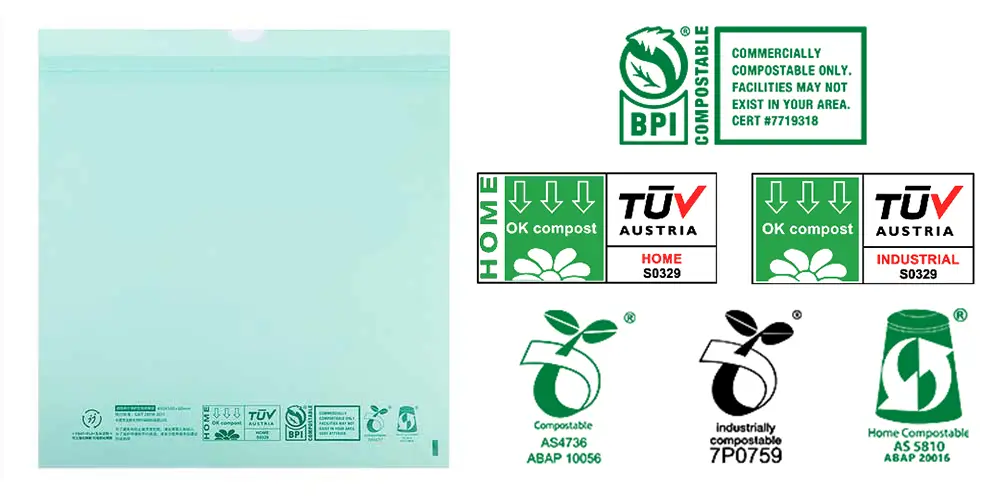




Choosing compostable packaging isn’t just about reducing plastic waste at the end of the line. It’s about selecting a superior environmental performance across the entire lifecycle of the product—from the raw materials to its final return to the earth.
1. Renewable Resources, Not Finite Fuels
Traditional plastic packaging is fundamentally tied to the fossil fuel industry. Its production depletes finite resources like oil and natural gas, and the extraction and refining processes are notoriously damaging.
In stark contrast, compostable packaging is typically derived from annually renewable biomass. Materials like corn starch, sugarcane bagasse (a fibrous byproduct of sugar refining), bamboo, and wheat straw are common feedstocks. These plants absorb carbon dioxide from the atmosphere as they grow, creating a carbon cycle that is far more balanced than the one-way extraction and emission cycle of plastics. By utilizing agricultural byproducts, we also add value to existing food production systems, reducing waste before packaging is even made.
2. A Cleaner, Safer Production Process
The environmental toll of plastic begins long before it becomes packaging. The “cracking” of ethane and propane to create plastic resins releases hazardous emissions and potent greenhouse gases like methane.
The manufacturing process for compostable materials, however, generally requires less energy and emits fewer greenhouse gases. Furthermore, it avoids exposing workers and the environment to the toxic chemicals inherent in traditional plastic production. This results in a cleaner footprint from the very start.
3. A Circular End-of-Life: From Waste to Resource
This is the most significant differentiator. The journey of a plastic package often ends in a landfill (where it may take centuries to break down, leaching chemicals), as litter in our oceans (harming marine life), or in an incinerator (creating air pollution)—compostable packaging is designed for a beneficial conclusion.
In a commercial composting facility, it breaks down completely in 90 to 180 days through the action of microorganisms. The output is not pollution, but becomes nutrient-rich soil that can be used to enrich soil for agriculture and gardening. This closes the loop, creating a circular economy where packaging waste becomes a resource for growing new plants.
Diverts organic waste from landfills, reducing methane emissions (a potent greenhouse gas). Eliminates the risk of microplastic pollution. Enriches soil health, promoting a truly circular economy.
In summary, the environmental case for compostable packaging is clear: it leverages renewable resources, is produced more cleanly, and is designed to safely and productively re-enter the biosphere. It’s a conscious step away from a linear “take-make-waste” model and towards a regenerative, circular system.
While the environmental argument for compostable packaging is powerful, the health and safety benefits provide an equally compelling—and more immediate—reason to make the switch. The materials that come into contact with food directly impact consumer well-being, and here, compostable options clearly outperform their conventional counterparts.
The Hidden Risk in Conventional Packaging
Many traditional plastic and foam food containers contain chemicals of concern, such as PFAS (per- and polyfluoroalkyl substances), also known as “forever chemicals,” or plasticizers like BPA and phthalates. These substances are used to provide grease and water resistance.
The danger arises when these chemicals leach or migrate into the food, especially when exposed to heat. This is why it’s often advised not to reheat food in its original plastic takeout container. Studies have linked long-term exposure to some of these chemicals with various health issues. When your business uses this packaging, you may inadvertently be exposing your customers to these unnecessary risks.
The Compostable Advantage: Inherently Safer by Design
Compostable packaging is fundamentally designed to be safer. Its primary materials—plant fibers—do not require the same cocktail of synthetic chemicals to function effectively.
PFAS-Free by Nature: Reputable manufacturers of compostable packaging, particularly those with third-party certifications, commit to being PFAS-free. The grease resistance in items like molded fiber bowls comes from the natural composition of the materials (e.g., sugarcane bagasse) and does not rely on harmful chemical treatments. Microwave-Safe Reheating: This is a significant operational and safety benefit. Customers can safely reheat their food directly in a certified compostable container without worrying about chemical leaching. This enhances convenience and reinforces the perception of your brand as one that genuinely cares for its customers’ well-being.
A Commitment to Transparency and Trust
Ultimately, choosing compostable packaging is a clear, demonstrable commitment to customer safety. It moves beyond marketing claims to tangible risk reduction. In an era where consumers are increasingly scrutinizing product ingredients and material safety, providing food in packaging that is free from harmful chemicals is a powerful way to build trust and reinforce your brand’s integrity.
This means you can assure your customers that your packaging is not only better for the planet but is also a safer choice for their health. They can confidently reheat their meal in a certified compostable container without the risk of ingesting unwanted toxins.
Beyond the clear environmental and health advantages, adopting compostable packaging is a savvy business strategy that directly impacts your bottom line. In today’s market, sustainability is not just a buzzword—it’s a powerful driver of consumer preference, brand loyalty, and operational resilience.
1. Meeting a Clear Consumer Demand
The data is undeniable. According to Technomic, 71% of consumers say it is important for restaurants to use environmentally friendly disposable packaging. Furthermore, the National Restaurant Association reports that 70% of millennials and 72% of Gen Z adults are willing to pay extra for to-go orders to cover the cost of upgraded, sustainable packaging.
By choosing compostable packaging, you are directly aligning your brand with the values of the most influential consumer groups. This is not a cost; it’s an investment in customer acquisition, loyalty, and willingness to spend.
2. Enhancing Brand Value and Building Trust
Your packaging is a tangible representation of your brand’s values. Choosing compostable materials sends a powerful message that you are a forward-thinking, responsible business that cares about its impact. This commitment:
Strengthens Brand Image: Positions you as a leader in your industry, setting you apart from competitors still relying on outdated packaging. Fosters Customer Loyalty: Customers are more likely to repeat business with and advocate for brands that share their values. This builds a community of supportive patrons, not just one-time buyers. Attracts and Retains Talent: Top talent, particularly among younger generations, prefers to work for companies that demonstrate strong environmental and social responsibility.
3. The Real Cost-Benefit Analysis
While the per-unit cost of compostable packaging may be higher than traditional plastic, a holistic view reveals its cost-effectiveness.
Value-Based Pricing: The enhanced brand perception allows you to justify premium positioning. Customers who value sustainability understand and accept that quality and responsibility may come at a slightly higher cost. Future-Proofing Your Business: As governments worldwide enact stricter regulations on single-use plastics, early adoption of compostable solutions protects you from future compliance costs, taxes, or sudden bans, ensuring business continuity. Potential for Long-Term Savings: As demand grows and production scales, the cost of compostable materials continues to decrease. By investing now, you are positioning yourself to benefit from these market shifts.
4. A Positive Community Impact
Choosing compostable packaging often goes hand-in-hand with supporting local composting infrastructure and waste diversion programs. This active participation in building a local circular economy strengthens your ties to the community, showcasing your investment in more than just profits—it shows you are invested in the community’s well-being.
In essence, compostable packaging is an investment in your brand’s future. It’s a decision that satisfies customers, builds a positive reputation, and future-proofs your operations.
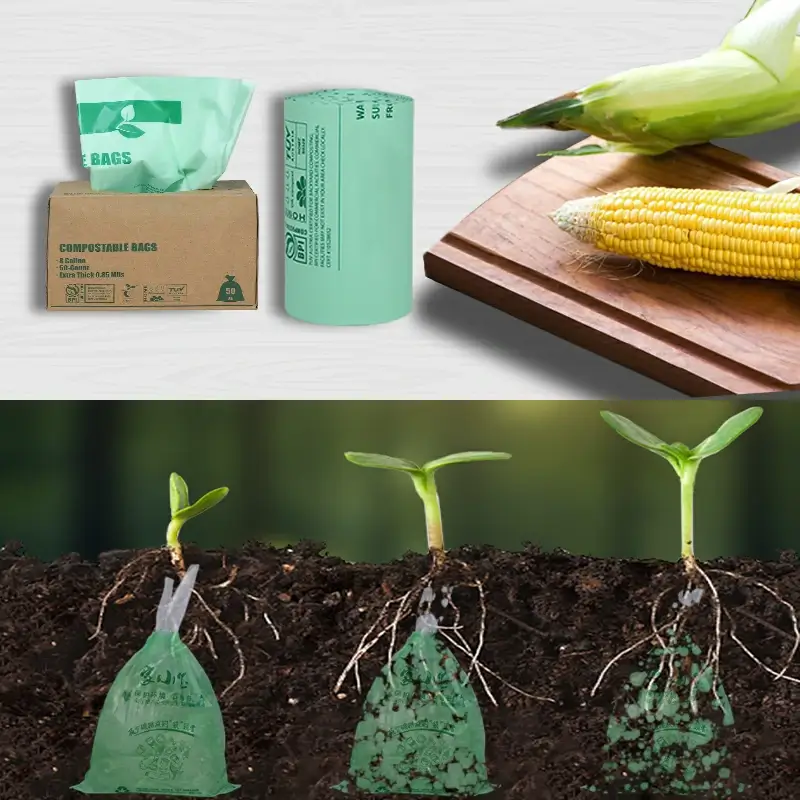
Understanding the “why” is crucial, but navigating the “how” is where many businesses get stuck. The market can be filled with vague claims like “eco-friendly” or “biodegradable,” which can be misleading. To ensure your investment truly delivers on its environmental promise, follow this practical guide.
1. Trust the Seal, Not the Slogan: Third-Party Certifications
This is the most critical step. Do not rely on marketing claims alone. Always look for independent, third-party certifications that verify the packaging’s compostability and safety. These seals are your guarantee that the product has passed rigorous scientific tests. Key certifications to look for include:
BPI (Biodegradable Products Institute) Certified: The leading certification in North America, indicating the product will break down successfully in commercial composting facilities. OK Compost (by TÜV Austria): A highly respected international standard, with variants for industrial (OK CompOST) and home (OK compost HOME) composting. CMA (Compost Manufacturing Alliance) Certified: Specifically verifies that the product will break down effectively in the specific conditions of real-world US composting facilities.
These certifications ensure the product will break down as intended within a specific timeframe and will not leave behind harmful residues in the resulting compost.
2. Test for Performance: See It, Touch It, Use It
Sustainability cannot come at the expense of functionality. Your packaging must still perform its primary job: protecting the food and providing a positive customer experience. Before making a large commitment, always request samples.
Conduct your own real-world tests:
Does it resist grease and leakage with saucy or oily foods? How is the structural integrity? Does it feel sturdy and secure? Does the lid seal properly? Can it maintain temperature effectively?
High-quality compostable packaging today is designed to meet the same performance standards as traditional packaging. Testing samples ensures it works for your specific menu items.
3. Consider the End-of-Life Scenario
Think about what will realistically happen to the packaging after use.
Commercial vs. Home Compostable: Most certified compostable packaging requires a commercial composting facility. Check if such facilities exist in your area. If not, you might prioritize packaging that is also certified for home composting (a growing niche) or focus on educating customers about other proper disposal methods if composting is not available. Customer Education: Your role doesn’t end at the sale. Use clear logos and simple instructions on the packaging (e.g., “Compost Me with Food Scraps”) to guide your customers on proper disposal. This increases the likelihood of it being composted correctly and reinforces your brand’s commitment.